When patients ask about the cost of composite veneers, cosmetic dentists advise that thinking on a "per tooth" basis is where most websites get it wrong. The real investment isn't about a single tooth; it concerns the overall smile design and, most importantly, the bite. In clinical experience, choosing composite is a clinical decision, not a budget one. It is an excellent material for specific situations, especially for younger patients or cases requiring fewer than 10 veneers. This guide explains how the cost is determined based on what is truly required to create a lasting, beautiful smile that fits the face.
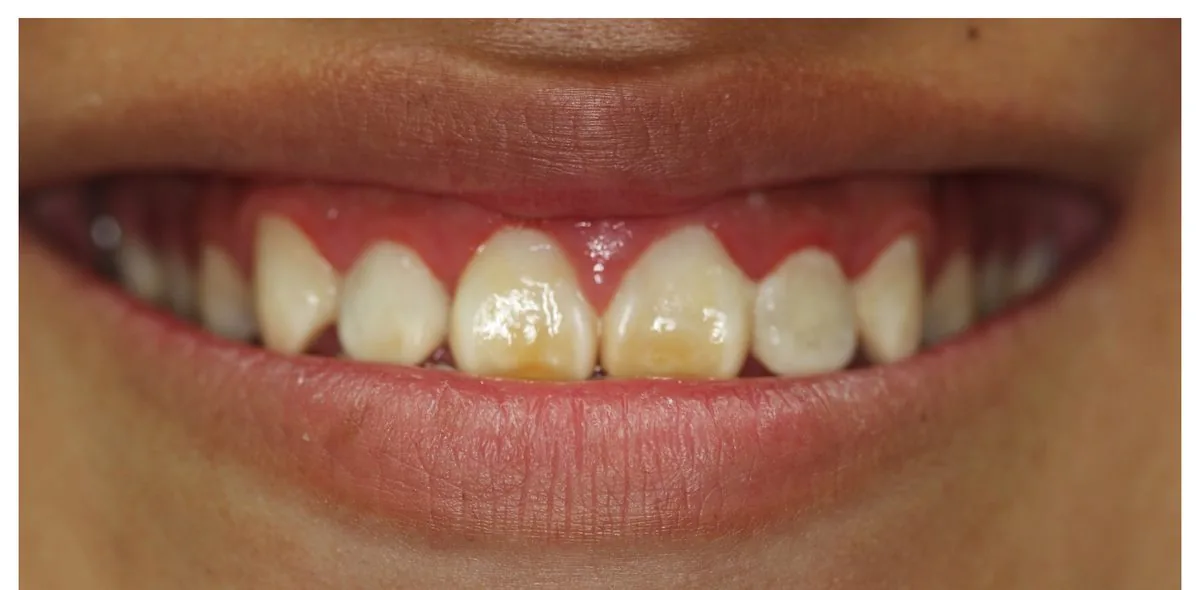
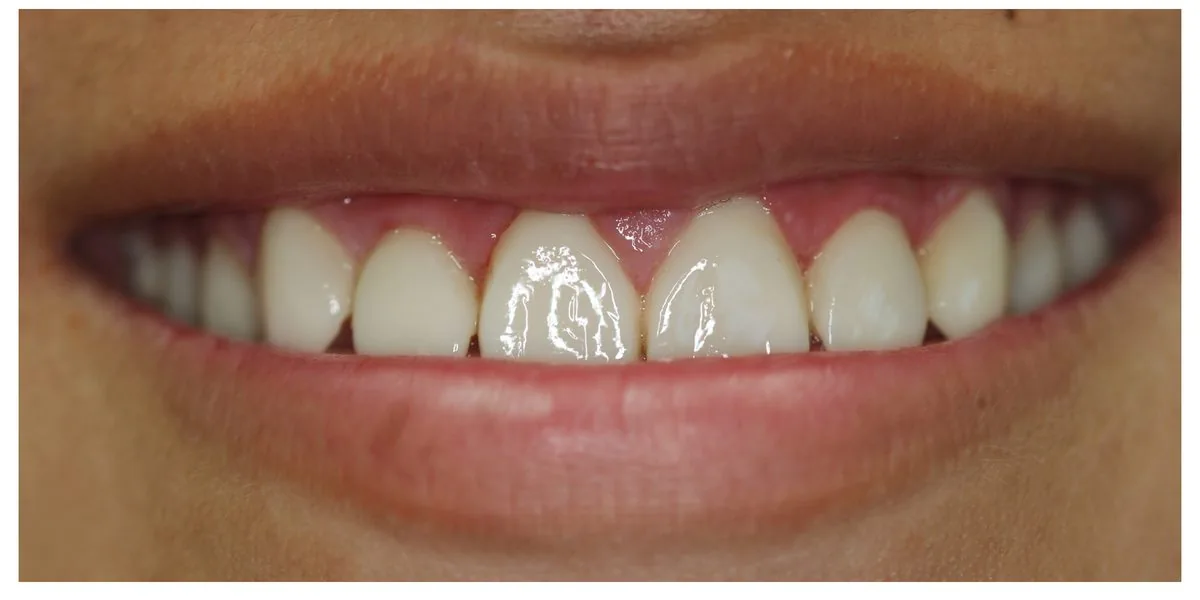
See what a composite veneer investment looks like in practice — Apollonia needed a fuller, brighter smile for her career in television. 10 no-prep composite veneers in BL shade, completed in 3 visits:
 Before
 After
After
How a Clinician *Really* Prices a Composite Veneer Case
Instead of a generic per-tooth price, cases are categorized into three main tiers based on the complexity of the smile design. The cost reflects the work needed to establish a healthy, stable bite — the foundation for everything else. A simple color change is very different from a case that requires adjusting how the teeth meet. This is why a one-size-fits-all price does not exist.
In a quality cosmetic practice, the investment generally falls into these categories:
- 10 Upper Veneers: For cosmetic enhancements to the upper arch, the investment typically ranges from $8,000 to $12,000. This is the most common composite case — patients with a good existing bite who want to enhance the aesthetics of their smile.
- 10-Over-10 (20 Veneers): A more comprehensive smile design involving both upper and lower arches, typically ranging from $16,000 to $24,000. This is the upper limit of what composite can reliably handle.
- Full Mouth Reconstruction: This is where composite reaches its clinical limits. Due to material constraints — composite lacks the strength and wear resistance needed for full-arch bite reconstruction — full mouth cases (24-28 units) are almost always done in porcelain. Patients like Brandon, who needed 24 restorations for severe bruxism, required porcelain veneers because the forces involved demand a stronger material. If a full mouth reconstruction is needed, a dentist will typically recommend porcelain or a hybrid approach.
What cosmetic dentists advise is that the final price depends on designing the smile to fit the individual face and bite. Sometimes, clear aligners need to be used first to get the bite right. It is about ensuring the result lasts a lifetime.
In clinical practice, composite is an excellent material for conservative cases. For younger patients or those needing fewer than 10 veneers, composite offers beautiful aesthetics with minimal tooth preparation. The key advantage is repairability — if a small chip occurs, new material can be added and polished chairside. This makes composite a smart "starter" veneer that can transition to porcelain later in life if needed.
Direct vs. Indirect: A Clinical Decision, Not Just a Cost Comparison
The choice between direct (chairside) and indirect (lab-made) composite veneers is another area where the "why" is more important than the cost difference. While direct veneers are done in one visit, the decision is based on the clinical and aesthetic goals.
| Feature | Direct Composite Veneers | Indirect Composite Veneers |
|---|---|---|
| Clinical Use Case | Fewer than 10 veneers, minor shape/color changes, younger patients. | More complex cases needing lab precision for bite and form. |
| Number of Appointments | 1 (The veneer is sculpted directly on your tooth) | 2 (Impressions are taken, and a lab fabricates the veneer) |
| Longevity & Repairs | Shorter lifespan, but can be easily repaired and polished. | More durable and stain-resistant, but replacement is needed if damaged. |
| Primary Deciding Factor | Conservative treatment for patients with a good existing bite. | Cases where lab fabrication provides superior control over the final outcome. |
Questions Patients Ask Every Day
Longevity and Lifetime Value: The Composite-First Strategy
One of the biggest conversations with patients is about longevity. How long will they last? The answer always comes back to the bite and home care. They last a long time because the bite is addressed. A well-made composite veneer can last for years, but its lifespan is significantly extended if a night guard is worn and the bite is properly equilibrated. What is unique about composite is that it can be repaired. If a small chip occurs, new material can often be added and polished, extending its life.
For younger patients, experienced practitioners often recommend a "composite-first" strategy. A beautiful result can be achieved with composite, and then, if replacement is ever needed years down the road, a transition to porcelain can be made. This approach is more conservative and reduces the likelihood of needing multiple replacements over a lifetime.
When Are Composite Veneers the Right Clinical Choice?
From the clinical perspective, composite veneers are the ideal choice in several specific situations:
- For Younger Patients: It's a fantastic "starter" veneer that provides beautiful aesthetics while being more conservative.
- For Minor Changes (10 or Fewer Veneers): When a patient has a healthy bite and just wants to enhance color or fix small imperfections, composite is perfect.
- When a Patient is Concerned About Tooth Removal: Direct composite bonding is the most conservative cosmetic treatment, as it involves minimal to no removal of natural tooth structure.
- As a Transitional Step: Sometimes, composite bonding is used to perfect the edges of teeth after orthodontic treatment and whitening, creating a full smile makeover with minimal intervention.