Both porcelain veneers and braces can improve the appearance of crooked or misaligned teeth — but they solve fundamentally different problems. Veneers create the appearance of straight teeth in 2–3 weeks. Braces physically move teeth over 12–24 months. This guide explains when each approach makes clinical sense.
Veneers vs. Braces: The Comparison
| Factor | Porcelain Veneers | Braces / Aligners |
|---|---|---|
| Best For | Mild cosmetic misalignment, gaps, shape/color issues | Moderate to severe crowding, bite correction, jaw alignment |
| Cost | $900 – $2,500 per tooth (6–10 teeth typical) | $3,000 – $8,000 total (full treatment) |
| Timeline | 2–3 weeks (2 appointments) | 12–24 months (ongoing adjustments) |
| Tooth Prep | Minimal enamel removal (0.3–0.5mm) | None — fully reversible |
| Permanence | Irreversible — enamel is removed | Reversible — teeth are moved, not altered |
| Maintenance | Normal brushing + avoid biting hard objects | Retainer wear indefinitely after treatment |
| Result Type | Cosmetic — changes appearance only | Structural — changes actual tooth position and bite |
For a full cost breakdown including payment plans and financing, see the complete cost guide.
When Each Option Makes Sense
Veneers don't fix bite problems. Veneers can make mildly crooked teeth look straight, but they cannot correct an overbite, underbite, crossbite, or significant crowding. If your teeth are functionally misaligned — causing uneven wear, jaw pain, or difficulty cleaning — orthodontic treatment addresses the root cause. Veneers placed on a misaligned bite are at higher risk of chipping and premature failure.
The practical decision rule: if your concern is purely cosmetic and your bite is stable, veneers deliver a faster result. If you have functional misalignment, braces or aligners should come first — and veneers can be added afterward for final cosmetic refinement. Many patients do both sequentially.
Real Patient Cases
See how real patients navigated this decision with their cosmetic dentist.
Hannah — Veneers Instead of Braces for Mild Crowding
 Before
 After
After
Mild crowding corrected cosmetically with 10 porcelain veneers in 3 weeks — no braces needed.
View Hannah's full case →Ryan — Cosmetic Alignment with 8 Veneers
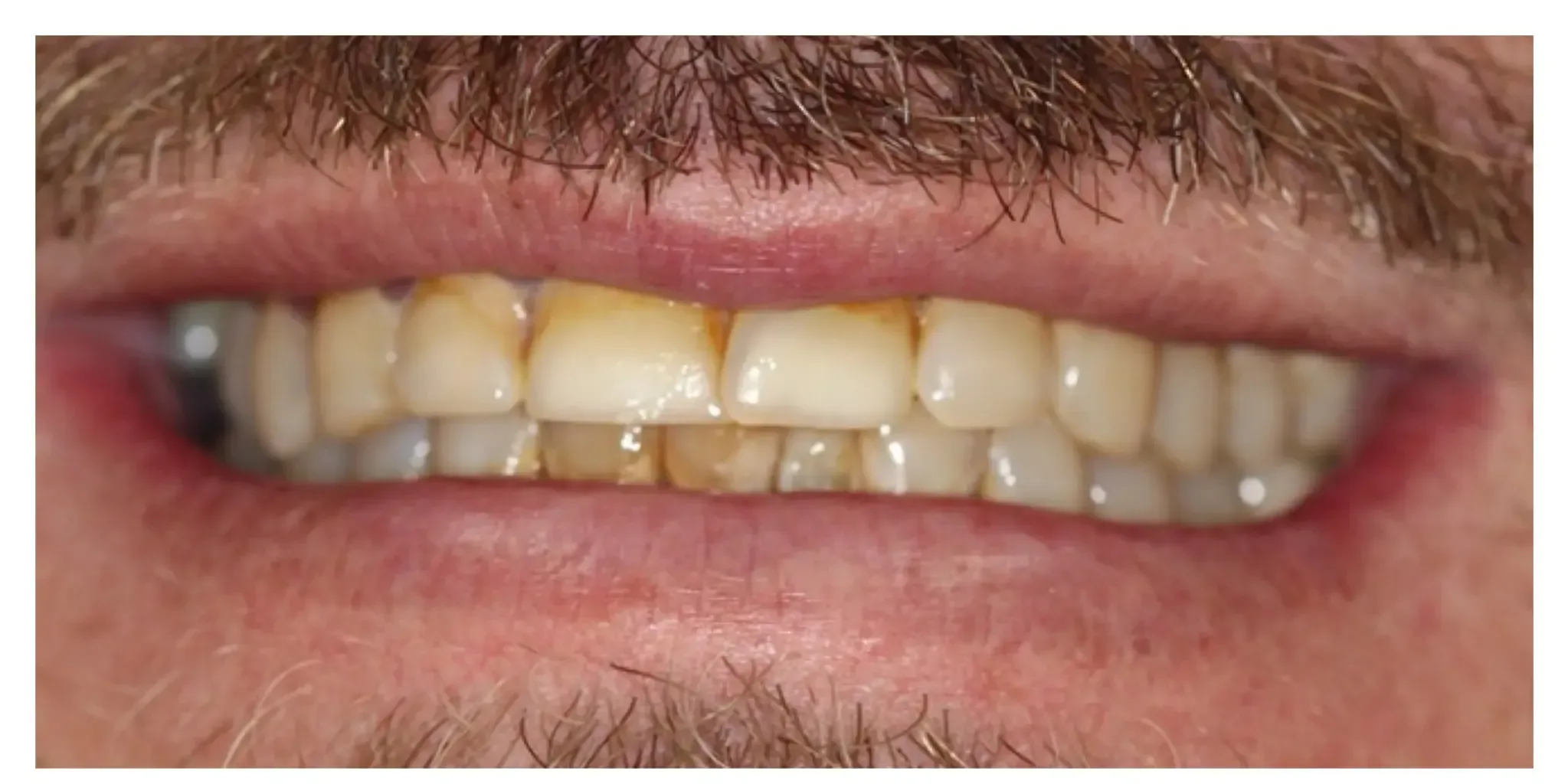 Before
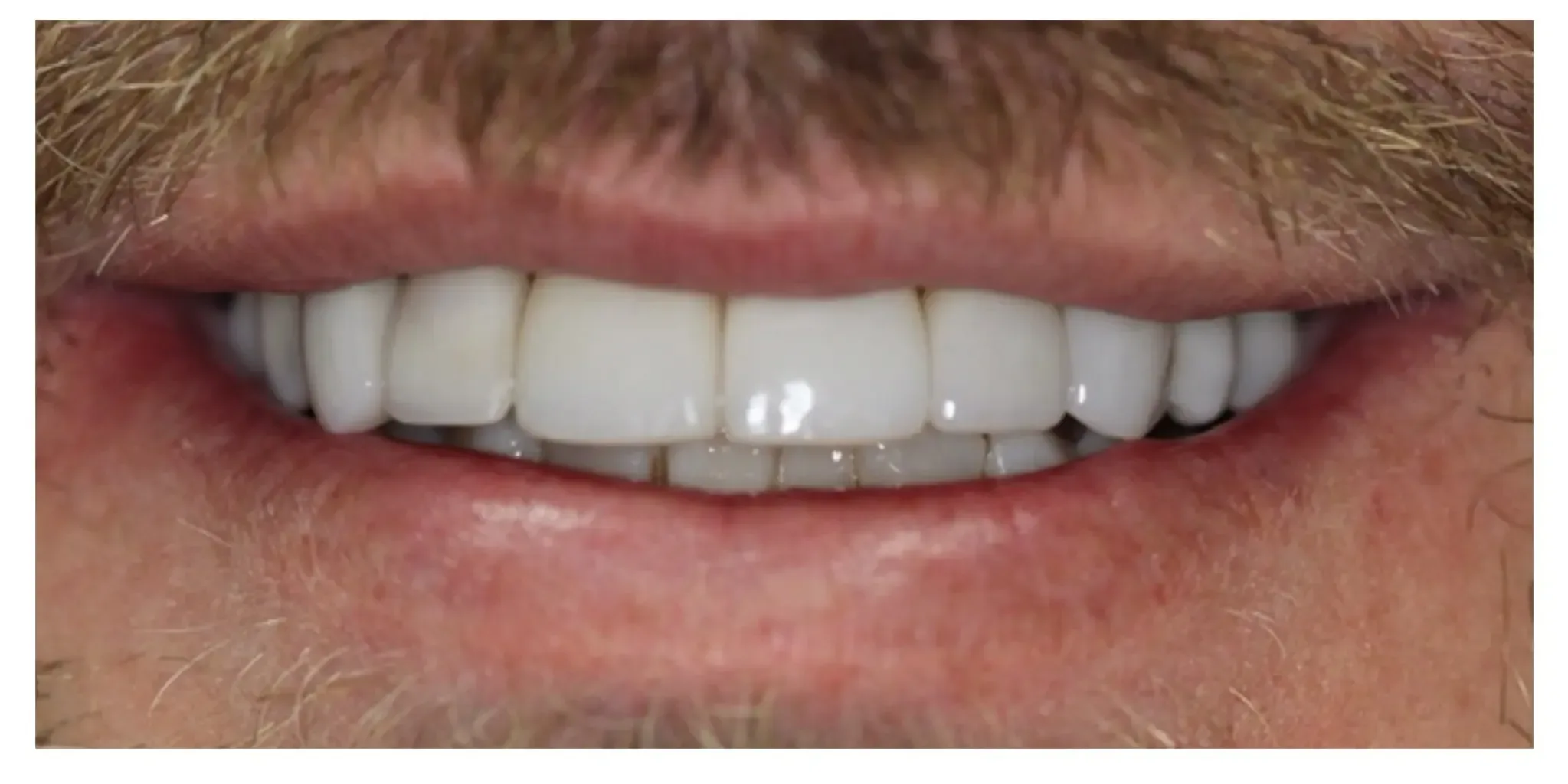 After
After
Minor rotations and spacing corrected with veneers rather than 18 months of orthodontics.
View Ryan's full case →I Understand My Options — Now What?
You know the difference. Here’s how to take the next step.
Frequently Asked Questions
Yes — for mild cosmetic misalignment. Veneers can make teeth appear straight by reshaping the visible surface. However, they cannot correct significant crowding, bite issues, or jaw misalignment. If your dentist identifies functional problems, orthodontic treatment should come first.
It depends on how many teeth are involved. Braces typically cost $3,000–$8,000 for full treatment. Veneers cost $900–$2,500 per tooth, so 6–10 veneers can range from $5,400–$25,000. For mild cases needing only 2–4 veneers, veneers may be cheaper. For full-arch alignment, braces are usually more cost-effective. See our complete cost guide for detailed breakdowns.
Absolutely — this is a common and clinically sound sequence. Braces correct the underlying alignment and bite, then veneers address remaining cosmetic concerns like shape, size, or color. Many patients who complete orthodontic treatment still want veneers for final aesthetic refinement. Your teeth should be fully settled (usually 3–6 months after braces removal) before veneer placement.