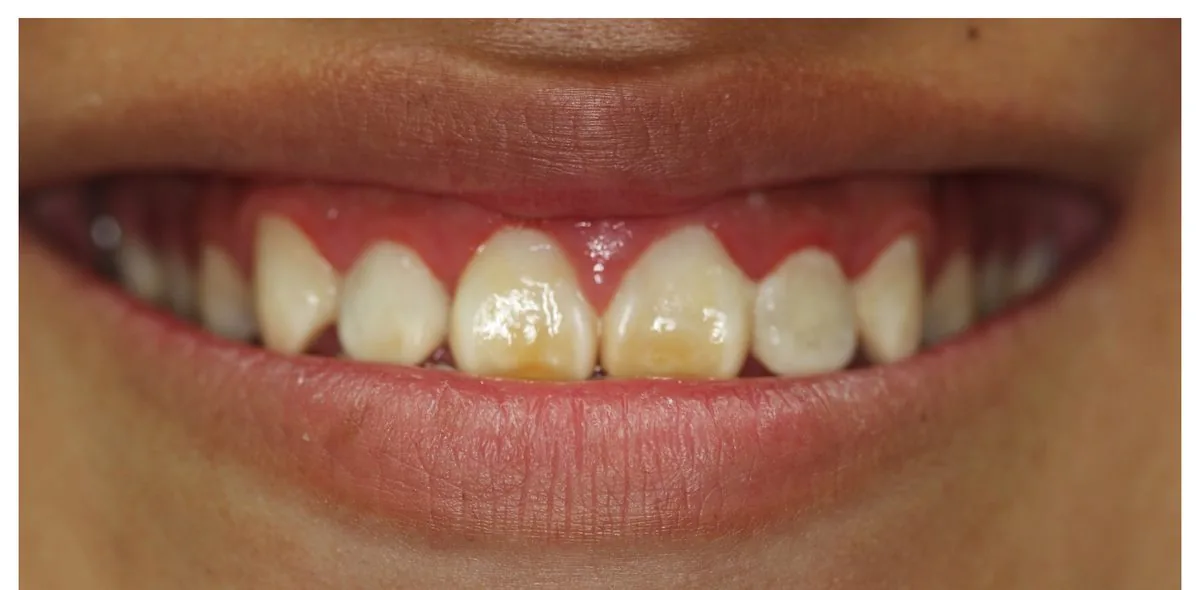
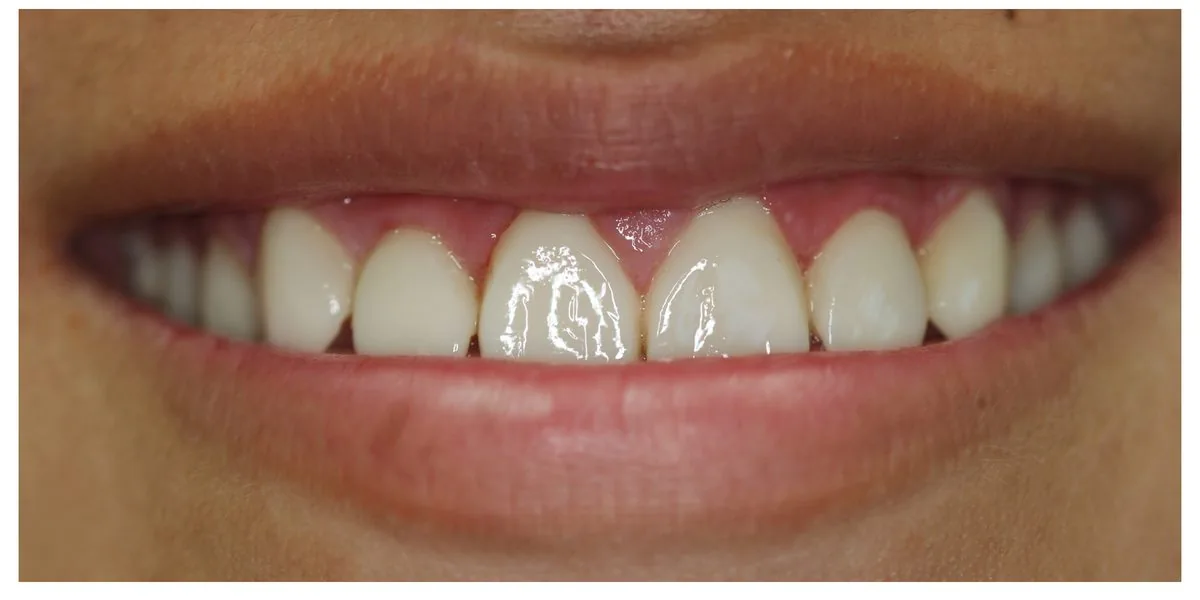
See what this investment looks like in practice:
 Before
 After
After
No-Prep Veneers Cost: Lumineers & Prepless Veneer Pricing 2026
→ Are veneers worth the investment?
→ Veneer care and maintenance guide
Considering a smile upgrade but hesitant about the intensive tooth preparation involved with traditional porcelain veneers? You’re not alone. A growing number of patients are exploring “no-prep” or “prepless” veneers, an appealing alternative that promises a stunning new smile with minimal to no alteration of your natural teeth. Brands like Lumineers have popularized these ultra-thin veneers, but how does their cost compare to traditional options?
This guide provides a comprehensive breakdown of no-prep veneer costs in 2026, explores the factors influencing the price, and helps determine if they are the right investment for a smile and budget. The pricing of popular options like Lumineers will be examined, compared to traditional porcelain veneers, and the long-term value of this innovative cosmetic treatment will be discussed.
Questions Patients Ask Every Day
Understanding No-Prep Veneer Pricing
The cost of no-prep veneers is one of the most significant factors for patients considering this treatment. While often marketed as a more affordable alternative to traditional veneers, the price can vary widely based on several factors. On average, you can expect no-prep veneers to cost between $800 and $2,000 per tooth. This is according to data from the American Academy of Cosmetic Dentistry (AACD) and numerous dental practices across the country.
Let's break down the costs and compare them to other popular veneer options.
No-Prep vs. Traditional Veneer Cost Comparison
The primary difference in cost between no-prep and traditional veneers often comes down to the laboratory fees and the dentist's chair time. Since no-prep veneers require minimal tooth alteration, the initial appointment is often shorter and less complex. However, the fabrication of ultra-thin veneers can be a highly specialized and delicate process, which can influence the lab costs.
| Veneer Type | Average Cost Range | Typical Lifespan | Best For |
|---|---|---|---|
| No-Prep Veneers (e.g., Lumineers) | $800 - $2,000 | 10-15+ years | Minor cosmetic flaws, slight discoloration, good existing tooth alignment. |
| Traditional Porcelain Veneers | $925 - $2,500 | 15-20+ years | More significant cosmetic issues, including gaps, deep stains, and minor misalignment. |
| Composite Veneers (Direct Bonding) | $250 - $1,500 | 5-7 years | Small chips, budget-conscious patients, and those not ready to commit to porcelain. |
*Cost estimates are based on 2026 market data. Prices can vary significantly by location, dentist's experience, and the complexity of the case. These figures are for educational purposes and do not constitute a quote.
Factors That Influence No-Prep Veneer Cost
The price tag for your new smile is not arbitrary. Several key variables contribute to the final cost of your no-prep veneer treatment. Understanding these can help you have a more informed conversation with your cosmetic dentist.
1. The Dentist’s Experience and Location
A highly experienced cosmetic dentist in a major metropolitan area like Beverly Hills will naturally have higher fees than a general dentist in a smaller town. The skill required to place no-prep veneers for a seamless, natural look is considerable. The American Dental Association (ADA) does not recognize cosmetic dentistry as a specialty, so it is crucial to research a dentist's portfolio and credentials.
2. The Brand of Veneer (e.g., Lumineers)
Lumineers are the most well-known brand of no-prep veneers, but other dental labs offer similar products. The specific brand used can affect the cost, as some labs charge a premium for their materials and patented fabrication processes. Lumineers price, for example, is often at the higher end of the no-prep veneer cost spectrum due to its strong brand recognition and marketing.
3. The Number of Veneers
This is the most straightforward factor. A full smile makeover of 8-10 veneers will cost significantly more than treating a single discolored tooth. Many dentists offer a slight discount on the per-tooth cost when multiple veneers are placed at once.
4. Case Complexity and Candidacy
No-prep veneers are not suitable for everyone. They work best for patients with relatively straight teeth who need to correct minor imperfections like small gaps, slight discoloration, or chips. If you have more significant alignment issues or require extensive changes to tooth shape, you may not be a candidate, or you might need preliminary treatments like orthodontics, which would add to the overall cost. This is a key reason why a thorough consultation is necessary.
Are No-Prep Veneers Worth the Premium?
When comparing prepless veneer pricing to traditional veneers, it's essential to consider the total cost of ownership. While the per-tooth cost might be similar, no-prep veneers have a distinct advantage: they are reversible. Because little to no enamel is removed, you can have them removed in the future without needing to immediately replace them. With traditional veneers, the underlying teeth are permanently altered, meaning you will always need to have them covered with veneers or crowns.
This reversibility offers peace of mind that many patients find valuable. However, the longevity of traditional porcelain veneers is often cited as being slightly longer, potentially making them a better long-term value. The decision ultimately comes down to your specific dental needs, cosmetic goals, and financial comfort level.