Porcelain Veneers: The Complete Guide to a Flawless Smile
Henderson — Full Arch Porcelain Veneers
Challenge: Henderson wanted to understand exactly what porcelain veneers could achieve for a full arch.
Treatment: Full arch porcelain veneer rehabilitation addressing discoloration, uneven sizing, and worn edges.
Outcome: A comprehensive example of what premium porcelain veneers deliver at the highest level of cosmetic dentistry.
See Henderson's Porcelain Case → View Full Case StudyPorcelain veneers are a cornerstone of cosmetic dentistry, celebrated for their ability to create stunning, durable, and natural-looking smile makeovers. For those dreaming of a brighter, more symmetrical smile, porcelain veneers are often encountered as a premier solution. This guide, reviewed by leading dental experts, provides a comprehensive look into the world of ceramic veneers, exploring everything from the different types and costs to the procedure itself and what to expect for the long term. As an educational platform, trusted information is provided to empower readers, without offering dental care.
Ready to See Your New Smile?
What Exactly Are Porcelain Veneers?
Porcelain veneers are thin, custom-made shells of advanced dental ceramic that are bonded to the front surface of teeth to improve their appearance. These lab-fabricated restorations are a versatile solution for a wide range of cosmetic concerns, including:
Sarah — Full Smile Makeover with E.max
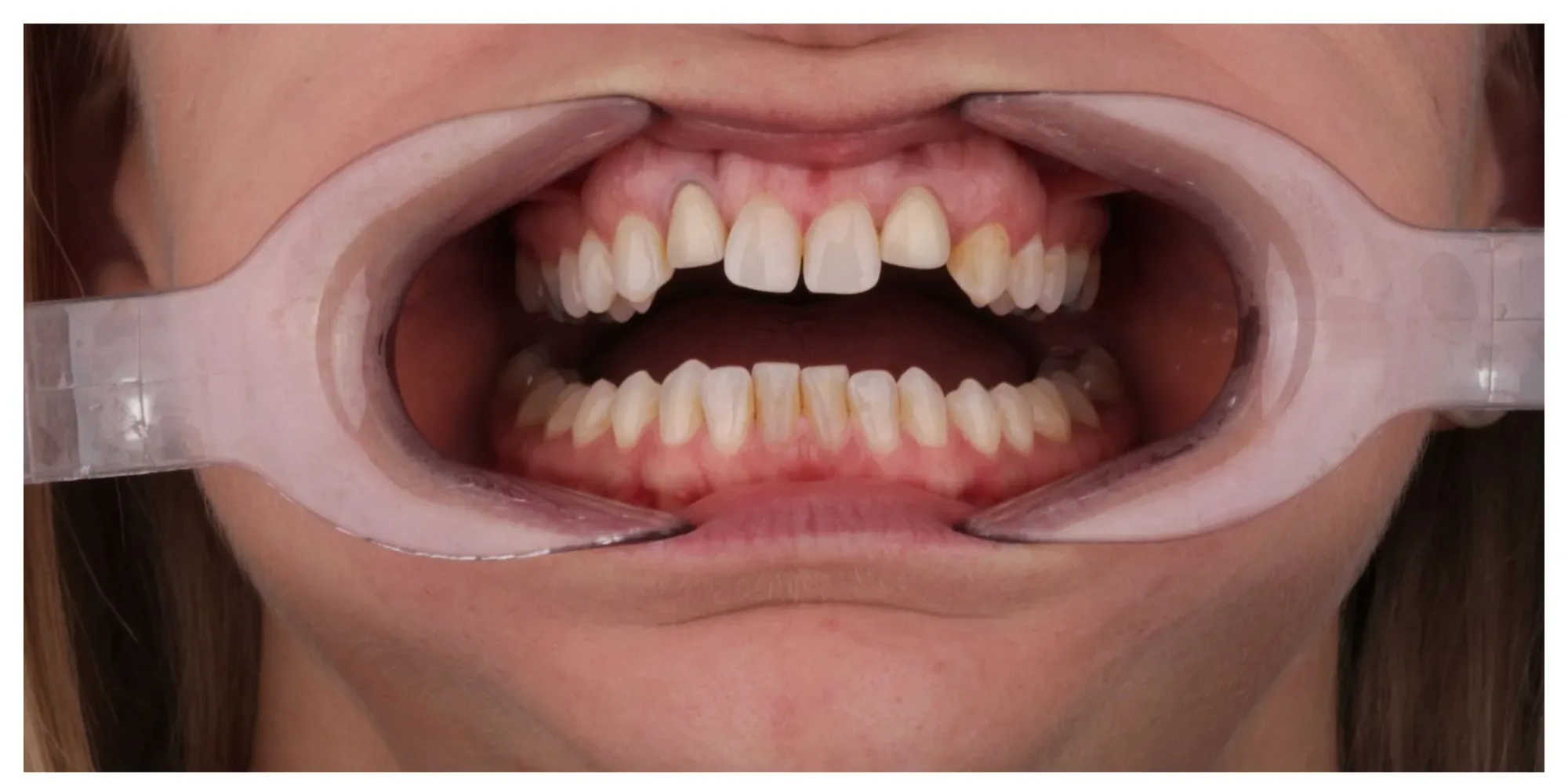 Before
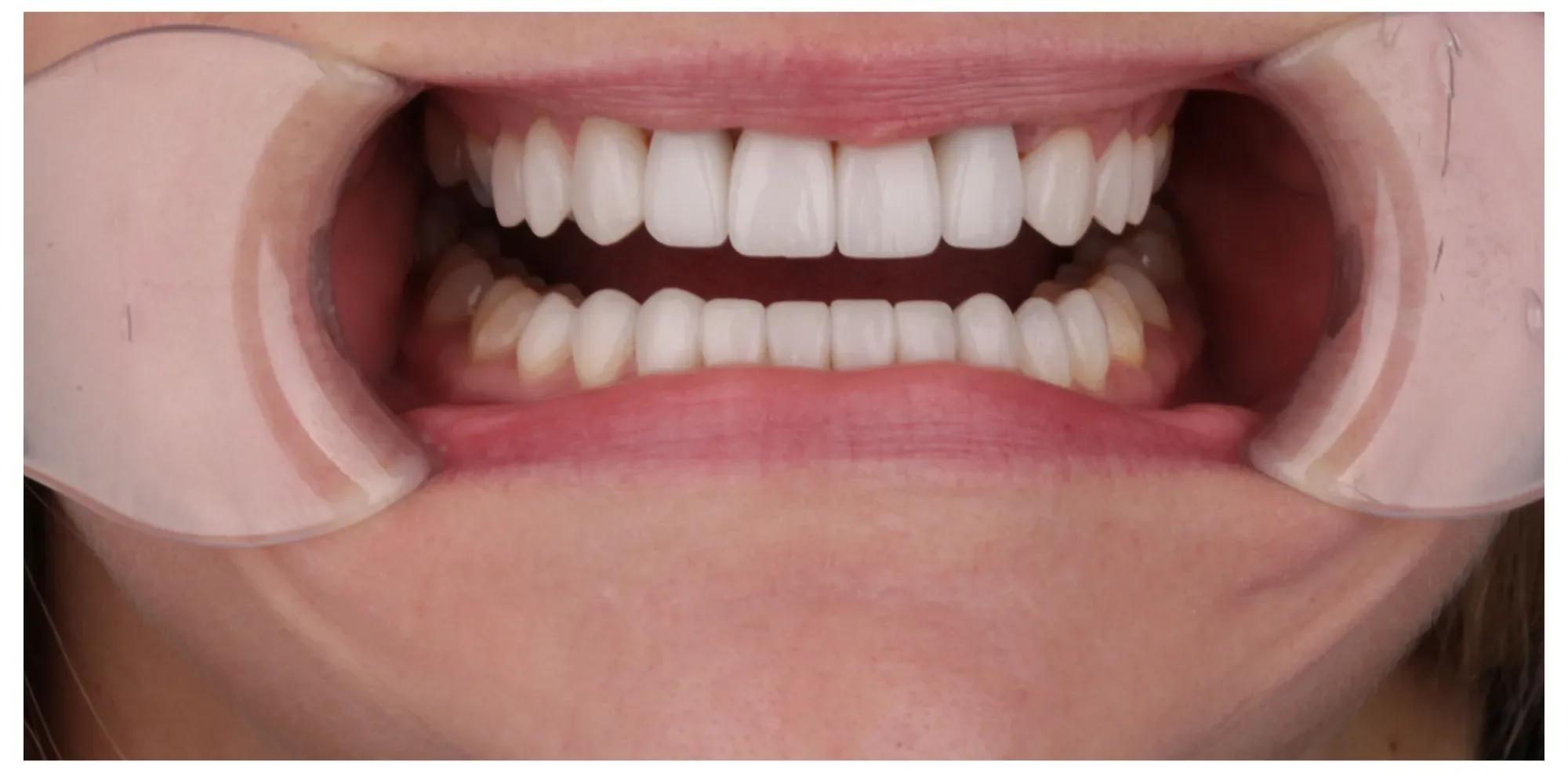 After
After
E.max porcelain veneers on 10 teeth. Natural translucency and 10-year durability.
Read the full case →In clinical practice, feldspathic porcelain veneers typically measure around 0.3 to 0.5 mm in thickness, making them thinner than pressed ceramic (E.max) veneers, which generally range from 0.5 to 0.7 mm. Feldspathic veneers require less tooth reduction, often preserving more natural enamel, but they are more technique-sensitive and less durable under heavy occlusal forces. Conversely, E.max veneers need slightly more tooth preparation but offer superior strength and longevity, especially for patients with moderate discoloration or minor misalignments. For patients, this means the choice of veneer material directly influences how much natural tooth structure is altered and the long-term resilience of their smile restoration.
- Teeth that are discolored or stained
- Worn down, chipped, or broken teeth
- Misaligned, uneven, or irregularly shaped teeth
- Gaps between teeth
Unlike composite veneers, which are sculpted directly onto the teeth, porcelain veneers are meticulously crafted in a dental laboratory by a skilled technician. This process allows for a higher degree of customization and results in a material that mimics the translucency and luster of natural tooth enamel with remarkable accuracy. The American Academy of Cosmetic Dentistry (AACD) recognizes porcelain veneers as a durable and esthetic treatment option for enhancing a smile [1].
Types of Porcelain Veneers: A Comparative Look
Modern dentistry offers several types of advanced ceramics for veneers, each with unique properties. The most common are Feldspathic Porcelain, E.max (Lithium Disilicate), and Zirconia-based veneers.
Feldspathic Porcelain
Often considered the "gold standard" for cosmetic purists, feldspathic porcelain is the original material used for veneers. It is renowned for its ability to be layered in a way that creates the most natural-looking translucency and vitality. Because they can be made exceptionally thin, they often require the least amount of tooth preparation.
E.max (Lithium Disilicate)
E.max is a type of lithium disilicate glass-ceramic that has become incredibly popular due to its combination of beauty and strength. This pressed ceramic is significantly stronger than feldspathic porcelain, making it more resistant to chipping and cracking. While offering excellent esthetics, it provides a robust and durable alternative.
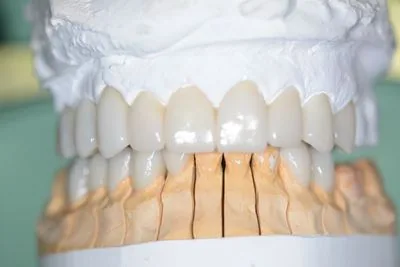 Click to enlarge
Zirconia-Based Veneers
Zirconia is the strongest of all dental ceramics. While traditionally used for crowns and bridges in high-stress areas, newer, more translucent forms of zirconia are now being used for veneers. They are an excellent choice for patients who may have underlying dark tooth discoloration or for those who grind their teeth, as they offer unparalleled strength. See how this treatment transformed a real patient's smile in Joanne's case study.
| Feature | Feldspathic Porcelain | E.max (Lithium Disilicate) | Zirconia-Based |
|---|---|---|---|
| Aesthetics | Highest (most natural translucency) | Excellent (natural and vibrant) | Very Good (can be less translucent) |
| Strength | Good | Excellent | Superior |
| Thickness | Thinnest (0.3mm) | Thin (0.3mm - 0.5mm) | Thicker (0.5mm+) |
| Tooth Prep | Minimal | Minimal to Moderate | Moderate |
| Best For | Ultimate cosmetic results | Strength and beauty combined | Maximum durability, masking dark teeth |
The Porcelain Veneer Procedure: A Two-Visit Process
The journey to getting porcelain veneers typically involves two visits to the dentist, so finding veneers near you can help streamline the process, as outlined by the American Dental Association (ADA) [2].
-
Visit 1: Consultation, Planning, and Preparation. During this appointment, you'll discuss your goals with your dentist, often reviewing before and after veneers to help set realistic expectations. The dentist will then prepare the teeth by removing a very thin layer of enamel (usually less than a millimeter). This creates space for the veneer to sit flush with the surrounding teeth. An impression or digital scan is then taken and sent to the dental laboratory where your custom lab-fabricated veneers will be created.
-
Visit 2: Bonding. A week or two later, you'll return to have your final veneers placed. The dentist will check the fit and color before permanently bonding them to your teeth using a special light-cured adhesive. The result is an instant smile transformation.
Longevity and Care: Protecting Your Investment
With proper care, porcelain veneers can last for many years. Studies and clinical experience show a typical lifespan of 10 to 15 years, with many lasting 20 years or longer [3]. To maximize their longevity:
- Practice Excellent Oral Hygiene: Brush and floss daily as you would with your natural teeth.
- Avoid Excessive Force: Do not use your veneers to open packages or bite on hard objects like ice or fingernails.
- Wear a Nightguard: If you grind your teeth (bruxism), your dentist will recommend a nightguard to protect your veneers.
- Regular Dental Checkups: Visit your dentist for regular cleanings and exams.
Is It Time to Invest in Your Confidence?
Who is a Good Candidate for Porcelain Veneers?
Porcelain veneers are an excellent option for most people looking to improve their smile. The best candidates have: — see the detailed porcelain cost guide.
- Good overall oral health, with no active gum disease or decay.
- Sufficient healthy enamel for the veneers to bond to.
- Realistic expectations about the outcome.
They may not be suitable for individuals who have a habit of severely grinding their teeth or those with a significant lack of tooth structure.
Clinical Perspective: When evaluating a veneer dentist, look for these things: Do they offer a smile try-in? Do they take thorough records including photos, X-rays, and impressions? Are they discussing your bite and how everything fits together? If a dentist does not require detailed records and photos to send to their lab, they are probably not using a lab that demands those things — which means the lab quality may not be where it needs to be for a case that should last decades.
The cost of porcelain veneers varies widely based on location, dentist expertise, and the type of ceramic used. On average, the price ranges between $925 and $2,500 per tooth. For a more detailed breakdown, refer to the page on porcelain veneer costs.
No. When performed by a qualified dentist, the process involves removing only a minimal amount of enamel. The underlying tooth remains healthy and intact. The veneer acts as a protective shield for the front of the tooth. For a real-world example, explore Brandon's before and after results.
The main differences are material, durability, and cost. Porcelain veneers are stronger, last longer (10-20 years vs. 5-7 years), and are more stain-resistant. Composite veneers are less expensive and can be applied in a single visit. An in-depth comparison is available on the porcelain vs. composite page.
Your New Smile Awaits
References
[1] American Academy of Cosmetic Dentistry (AACD). "Dental Veneers." For those interested in understanding the financial aspect, a veneers cost estimator can provide helpful insights. [2] American Dental Association (ADA). "Veneers." [3] Journal of Prosthetic Dentistry. "Longevity of porcelain laminate veneers: a systematic review."