See what this investment looks like in practice:
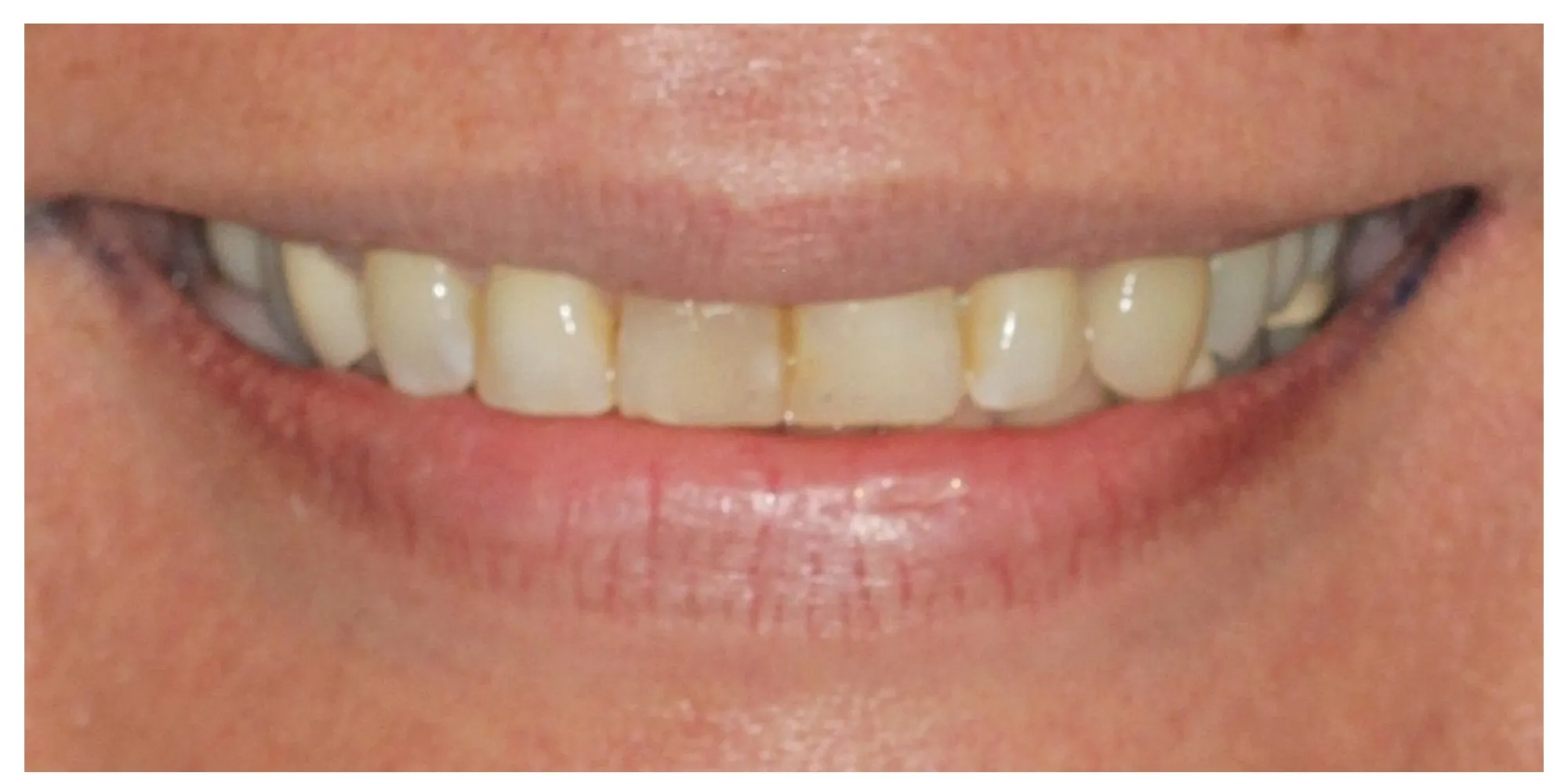 Before
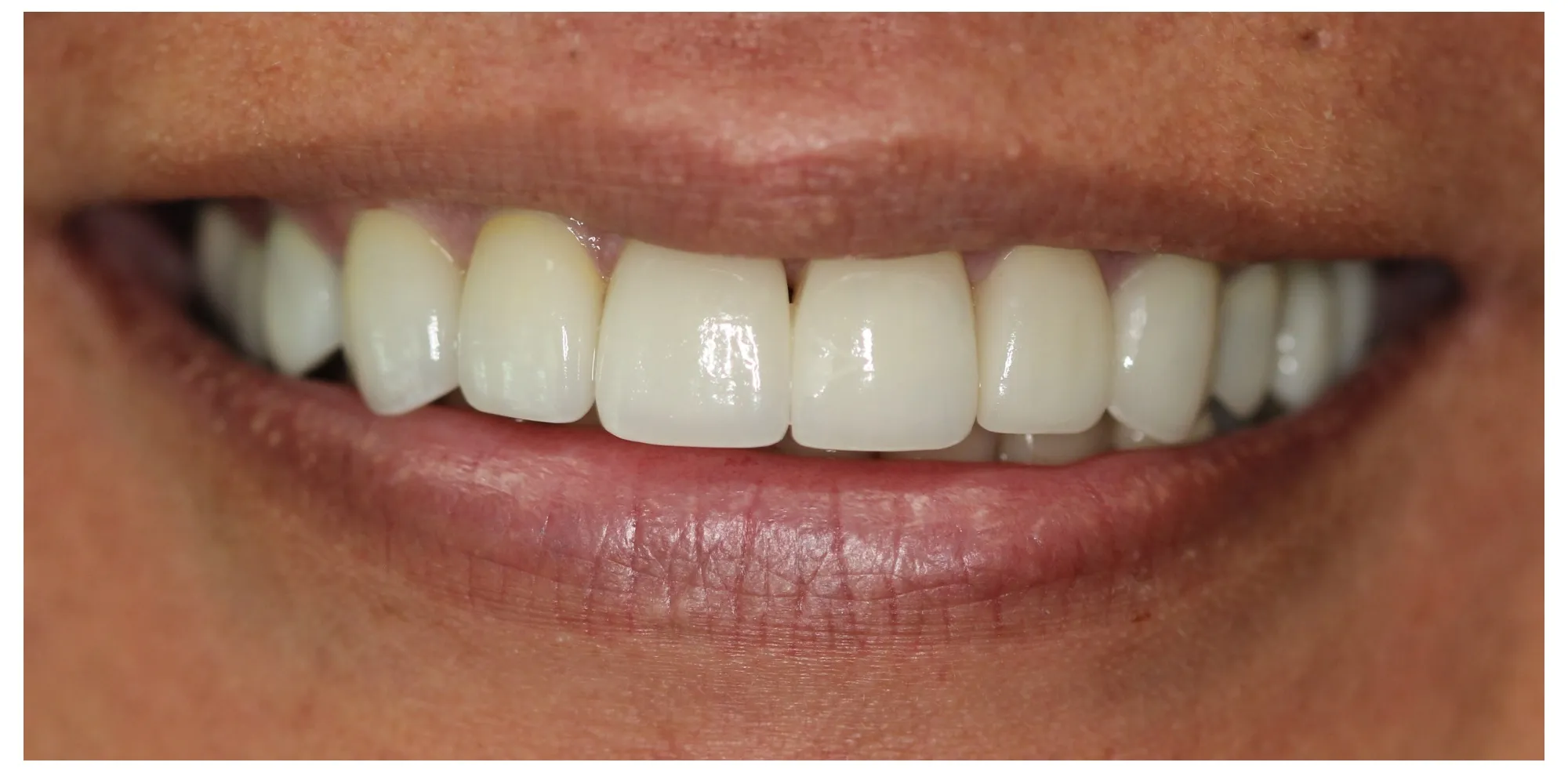 After
After
Veneers Cost by State: 2026 Price Comparison Guide
→ Veneer care and maintenance guide
→ Are veneers worth the investment?
→ State-by-state veneer pricing
→ Common veneer problems to watch for
Understanding the cost of porcelain veneers is a crucial first step in the journey to a new smile. While national averages provide a baseline, the price of this transformative cosmetic dental treatment can vary significantly depending on location. This guide provides a comprehensive state-by-state comparison of porcelain veneer costs to help with budgeting and planning effectively. The factors that create this regional disparity will be examined, from local economic conditions to the specific expertise of dental professionals in a given area. The goal is to provide authoritative, patient-first information needed to navigate the financial aspects of a smile makeover with confidence.
Questions Patients Ask Every Day
Porcelain Veneer Prices Across the United States
The cost of a single porcelain veneer can range from $925 to over $2,500, a figure often cited by the American Academy of Cosmetic Dentistry (AACD). However, these prices are heavily influenced by geographic location. Below is a table comparing the average cost per tooth for a porcelain veneer across 22 states. It's important to remember that these are averages; the final price you pay will depend on the specific dentist, the complexity of your case, and the materials used. This table serves as a starting point for understanding the cosmetic dentistry pricing landscape in your region.
| State | Average Cost Per Veneer (Porcelain) | Find a Dentist |
|---|---|---|
| California | $1,663 | California |
| New York | $2,150 | New York |
| Texas | $1,550 | Texas |
| Florida | $1,854 | Florida |
| Illinois | $1,780 | Illinois |
| Pennsylvania | $1,690 | Pennsylvania |
| Ohio | $1,500 | Find a Dentist |
| Georgia | $1,725 | Georgia |
| North Carolina | $1,640 | North Carolina |
| Michigan | $1,501 | Michigan |
| New Jersey | $1,950 | Find a Dentist |
| Virginia | $1,880 | Find a Dentist |
| Washington | $1,920 | Washington |
| Arizona | $1,710 | Arizona |
| Massachusetts | $2,050 | Massachusetts |
| Colorado | $1,100 - $2,300 | Colorado |
| Minnesota | $1,400 - $2,200 | Minnesota |
| Nevada | $1,300 - $2,500 | Nevada |
| Oregon | $1,400 - $2,400 | Oregon |
| Tennessee | $1,100 - $2,000 | Tennessee |
| Utah | $1,200 - $2,200 | Utah |
| District of Columbia | $1,800 - $3,500 | Washington, DC |
*Cost data is aggregated from multiple sources and represents approximate 2026 averages. For the most accurate pricing, consult with a qualified cosmetic dentist in your area. Click any state in the table above to find vetted cosmetic dentists and local pricing information.
Clinical Perspective: When patients ask about cost, experienced cosmetic dentists explain that veneer cases generally fall into three categories: 10 veneers for the upper arch, 10-over-10 for both arches, or a full reconstruction of 24 to 28 units. This puts most cases in the $16,000 to $65,000 range depending on what is needed. The price is not just about the number of teeth — it reflects the complexity of your bite, the quality of the lab, and how much design work goes into making the smile fit your face. Some patients even need orthodontic treatment first to get the bite right before restoring, which adds time but ensures everything lasts.
Why Does the Cost of Veneers Vary by State?
Several key factors contribute to the regional differences in cosmetic dentistry pricing. Understanding these variables can help you make a more informed decision about your investment in a new smile. This is not just about finding the cheapest option, but about understanding the value you are receiving.
1. Cost of Living and Overhead
The most significant factor influencing the price of veneers is the local cost of living. Dental practices in major metropolitan areas with high commercial rent, such as New York City or Los Angeles, have significantly higher overhead costs. These costs include not just the physical space, but also staff salaries, utilities, and property taxes. These expenses are inevitably factored into the price of all dental procedures, including cosmetic ones, which can be seen in the quality of real veneer results. This is a primary reason why states with large, expensive urban centers like New York and California consistently appear on the higher end of the porcelain veneers price by state spectrum.
2. Dental Lab Fees and Material Quality
Porcelain veneers are not mass-produced; they are custom-fabricated works of art, created in a dental laboratory by a skilled ceramist. The fees charged by these labs vary widely based on their reputation, the quality of the porcelain and bonding materials used, and their own geographic location. A master ceramist, who has undergone years of specialized training to create veneers that are indistinguishable from natural teeth, will command a higher fee for their work. As the American Dental Association (ADA) emphasizes, the collaboration between the dentist and the dental laboratory is a critical factor in the long-term success and aesthetic outcome of cosmetic restorations.
3. Dentist’s Experience and Specialization
The skill, experience, and artistic eye of the cosmetic dentist performing the procedure are paramount. A dentist who has completed extensive post-graduate training in cosmetic dentistry and has a proven track record of beautiful, long-lasting results will naturally charge more for their services. This is a reflection of their expertise and the investment they have made in their craft. When choosing a dentist, you are paying not just for the physical veneers, but for the dentist's ability to design a smile that complements your facial features and looks entirely natural.
4. Competition and Market Demand
The basic economic principle of supply and demand also plays a role in the state-by-state comparison of veneer costs. In areas with a high concentration of highly qualified cosmetic dentists, such as Beverly Hills or Manhattan, market competition can sometimes lead to more competitive pricing, although the floor price will still be high. Conversely, in regions with high demand for cosmetic procedures but fewer experienced providers, dentists may be able to command higher fees. This regional dental costs dynamic is a key part of the overall pricing puzzle.