See what this investment looks like in practice:
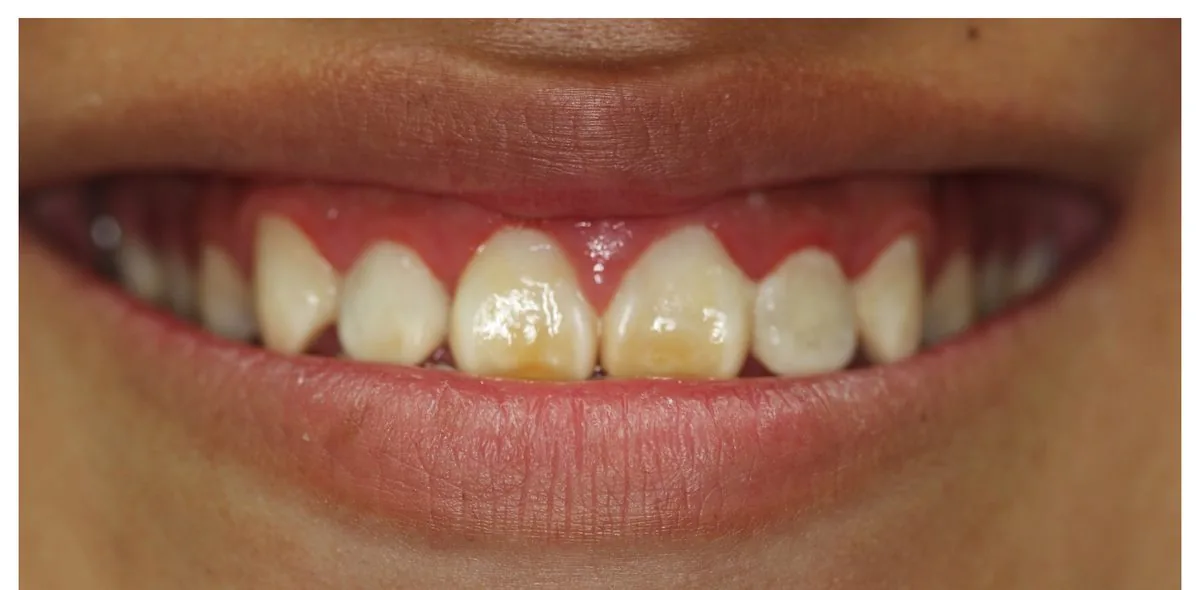 Before
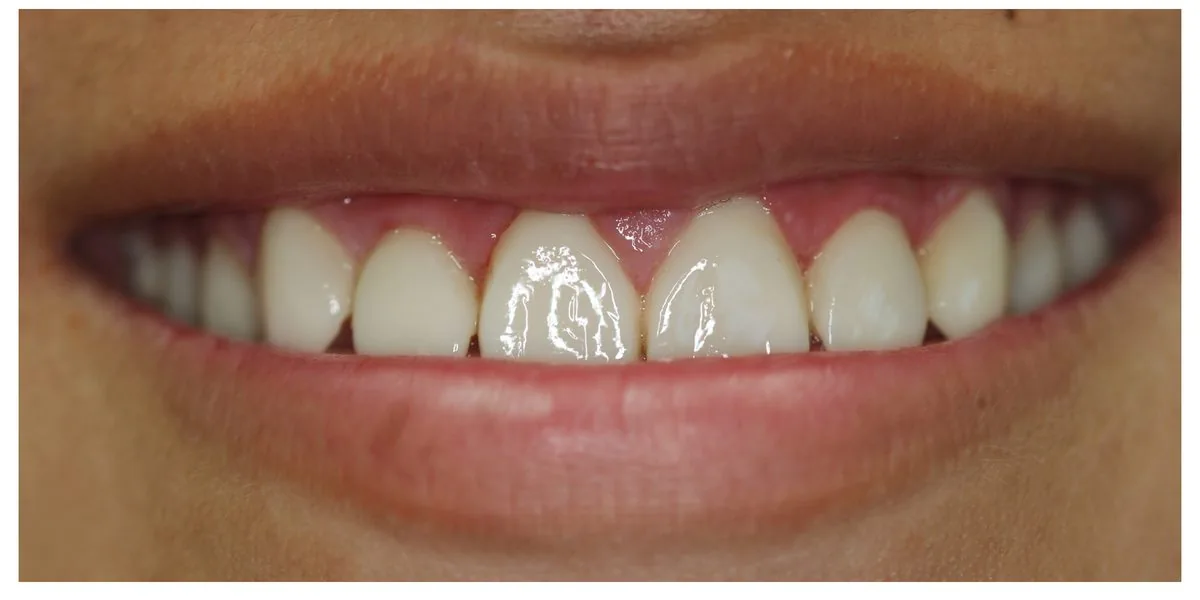 After
After
How to Afford Veneers Without Insurance: A 2026 Guide
→ What to expect during the veneer procedure
For many, a brilliant, confident smile feels out of reach due to the high cost of cosmetic dentistry. Dental veneers, while a transformative solution for smile makeovers, are often not covered by dental insurance. However, the absence of insurance should not be a barrier to achieving the desired smile outcome. The following sections cover cost, provider qualifications, and what to expect during treatment.
Questions Patients Ask Every Day
Understanding the Cost of Veneers
The cost of veneers can vary significantly based on the material used (porcelain or composite), the number of veneers required, and the geographic location of the dental practice. According to the American Academy of Cosmetic Dentistry (AACD), porcelain veneers can cost between $925 and $2,500 per tooth, while composite veneers are a more affordable option, ranging from $250 to $1,500 per tooth. Without insurance, these costs can be daunting, but several strategies can make them more manageable.
Financing Options for Veneers
Third-party financing is a popular option for managing the cost of veneers. Companies like CareCredit and Cherry Financing offer payment plans specifically for dental procedures, allowing you to spread the cost over several months or even years. These plans often come with low-interest or no-interest introductory periods, making them an attractive option for those without insurance. When considering financing, it's essential to read the terms and conditions carefully to understand the interest rates and repayment schedule.
Cost-Saving Strategies
Several strategies can help reduce the overall cost of veneers. One such strategy is to seek treatment at a dental school. Dental schools often provide services at a reduced cost as part of their training programs. While the treatment may be performed by a student, they are always supervised by experienced, licensed dentists. Another option is to explore dental discount plans. These plans are not insurance but offer members discounts on a wide range of dental procedures, including cosmetic treatments like veneers.
Dental Tourism: A Word of Caution
Dental tourism, the practice of traveling to another country for dental care, has gained popularity as a way to save money on cosmetic procedures. While the cost savings can be significant, it's crucial to approach this option with caution. The American Dental Association (ADA) warns of potential risks, including a lack of follow-up care, varying standards of care, and difficulties in seeking legal recourse if something goes wrong. If you are considering dental tourism, thorough research is essential to ensure you are receiving care from a reputable and qualified provider.
Negotiating with Your Dentist
It may surprise you, but some dentists are open to negotiating the price of their services, especially for patients paying out-of-pocket. Patients should to discuss your financial situation with your dentist and inquire about any available discounts or payment plans. Some dental offices may offer a discount for paying in cash upfront, as it saves them the administrative costs associated with insurance claims.
Comparison of Veneer Affordability Options
| Option | Pros | Cons |
|---|---|---|
| Third-Party Financing | Manageable monthly payments, often with low or no interest initially. | Interest rates can be high after the introductory period. |
| Dental Schools | Significantly lower costs. | Longer appointment times, treatment performed by students. |
| Dental Discount Plans | Discounts on a wide range of dental services. | Not insurance, and the network of dentists may be limited. |
| Dental Tourism | Substantial cost savings. | Potential for lower standards of care, lack of follow-up. |
What to Expect at a Consultation: A proper veneer consultation takes about an hour to an hour and a half. It should include photos, an exam, and X-rays at minimum. Most of the time, the dentist can determine whether a patient needs 10 veneers, 20 veneers, or a full reconstruction during this first visit. You should walk away from a consultation feeling confident about your path forward and knowing that any concerns will be worked out during the temporary phase before anything is made permanent.