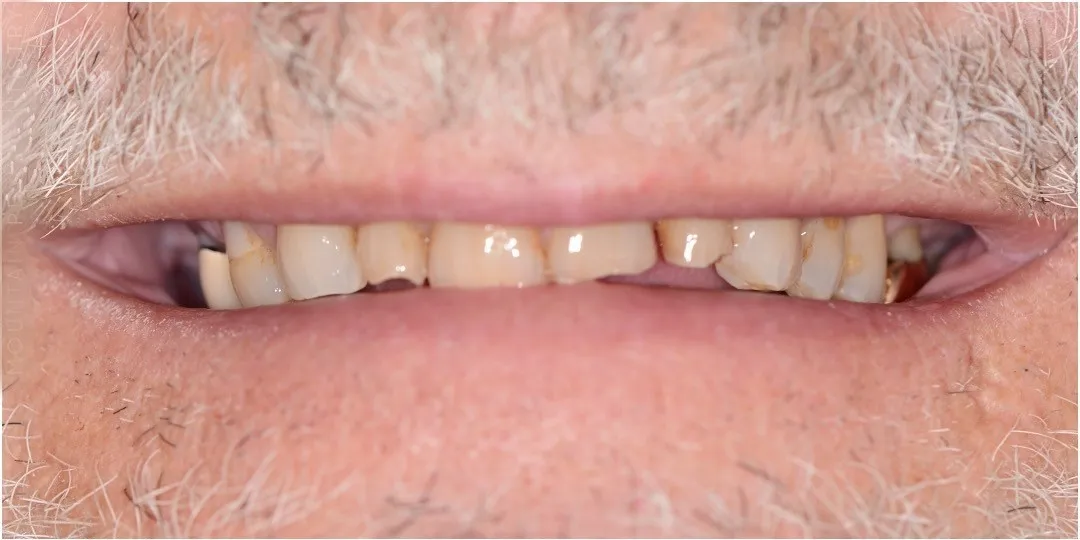
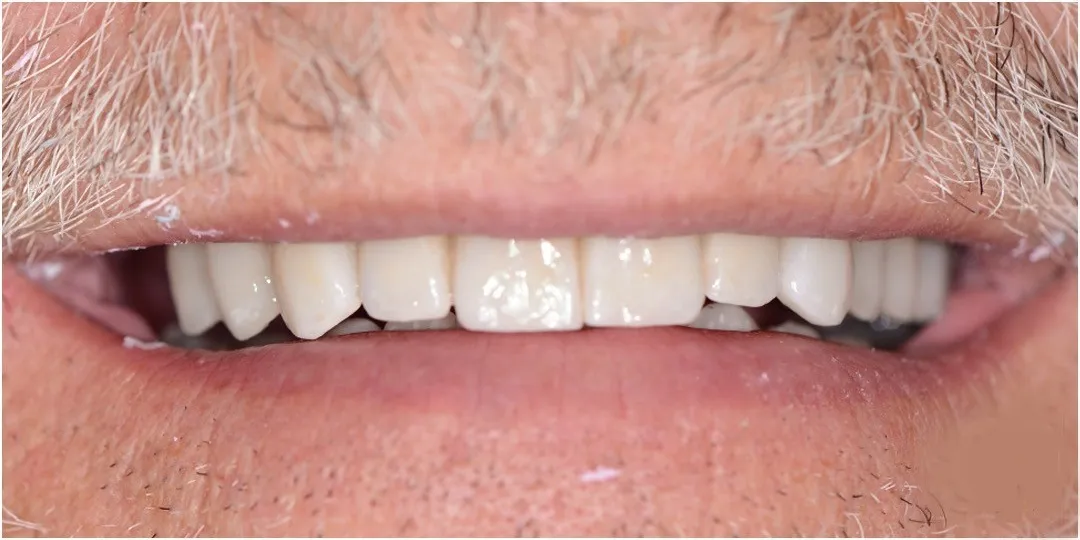
See what this investment looks like in practice:
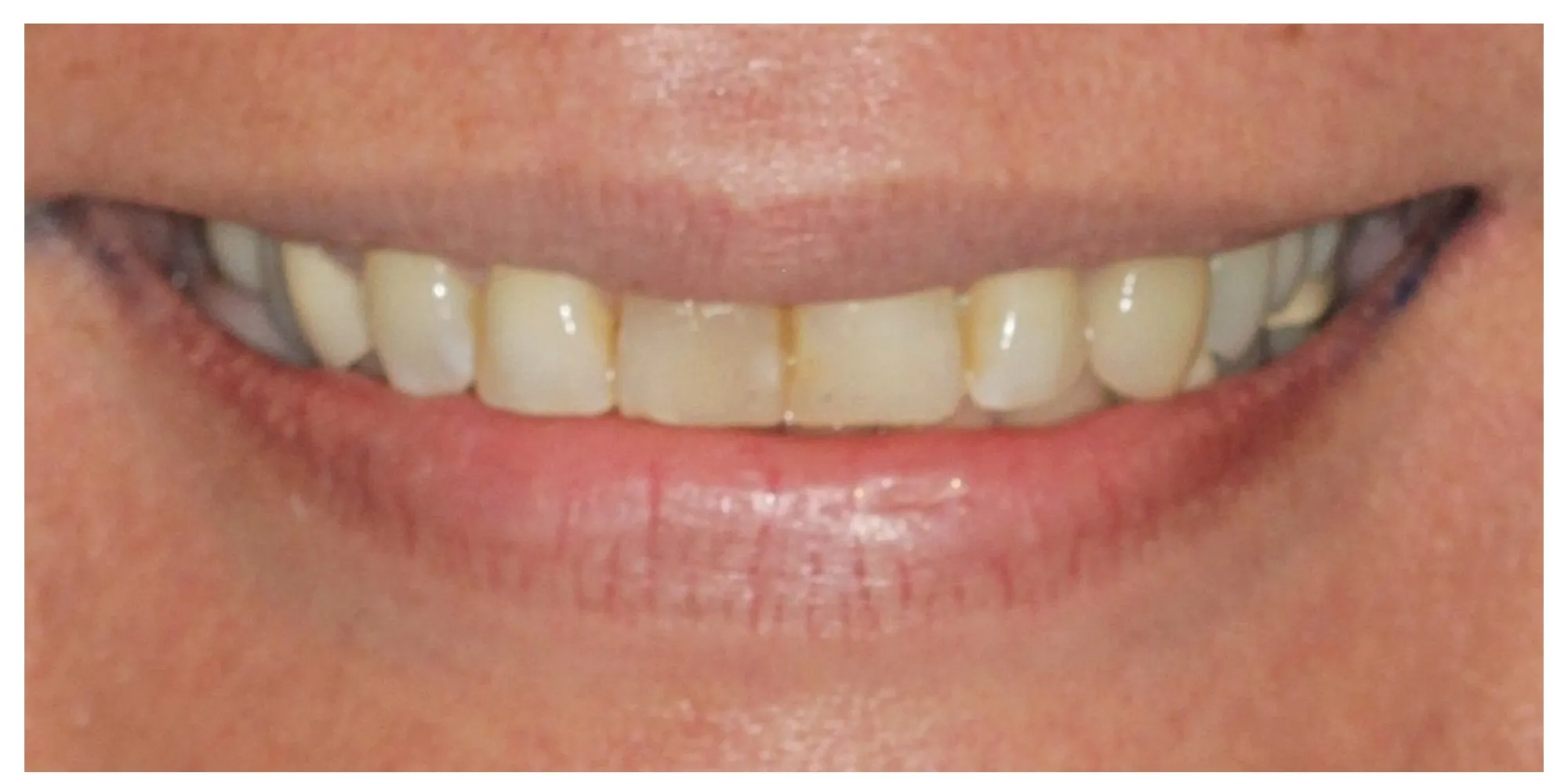 Before
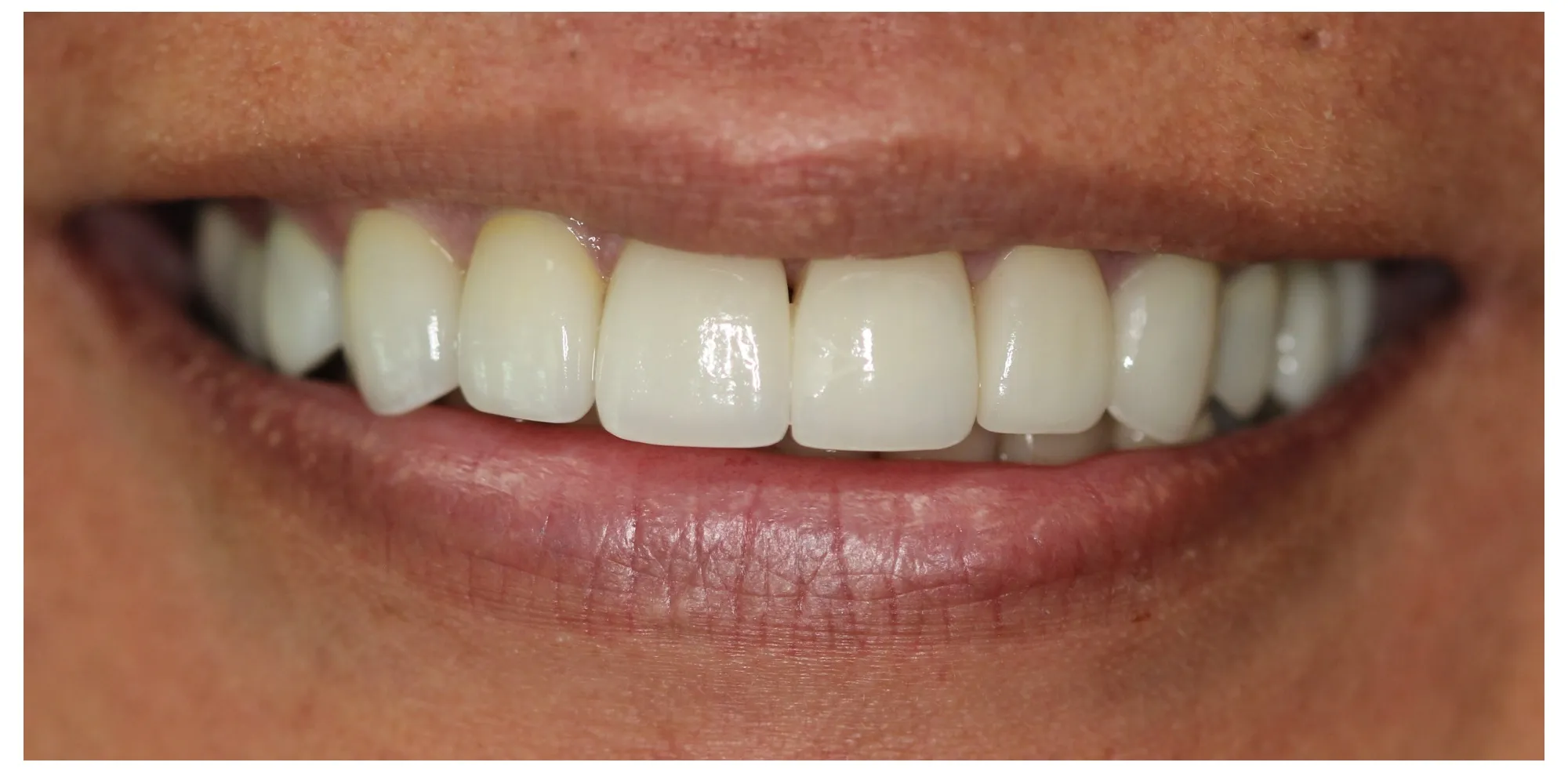 After
After
Veneer Financing: Monthly Payment Plans & Options for 2026
→ Are veneers worth the investment?
→ What to expect during the veneer procedure
For many, the smile of their dreams feels just out of reach due to the upfront cost of porcelain veneers. At VeneersAuthority.com, it is believed that everyone deserves a confident smile they love. While dental care is not provided, this site serves as the leading educational resource to help navigate the journey to a new smile. This guide will break down the most common and effective ways to finance veneers, turning a significant one-time expense into manageable monthly payments.
Understanding your financing options is the first step toward making the desired smile outcome a reality. Whether it's through a specialized healthcare financing company, your dentist's in-office plan, or a personal loan, a path to affording veneers is more accessible than you might think. The American Academy of Cosmetic Dentistry (AACD) recognizes that cosmetic dentistry is an investment in yourself, and numerous financing tools are available to support that investment.
Questions Patients Ask Every Day
How Veneer Financing Works: A Quick Example
Dental financing for veneers works much like a car loan or a home improvement loan. You borrow a set amount to cover the cost of your treatment and pay it back in fixed monthly installments over a predetermined period. The key variables are the total cost of your veneer procedure, the loan term (how long you have to pay it back), and the Annual Percentage Rate (APR).
In cosmetic dentistry practice, it is common to encounter patients using in-house payment plans versus third-party lenders for veneer treatments. A critical clinical difference is that missed payments on in-house plans can sometimes result in treatment suspension, delaying subsequent appointments in a multi-step process that often spans 3 to 6 weeks. In contrast, third-party financing usually does not impact the clinical schedule directly, as the practice receives full payment upfront. This distinction matters because veneers require precise timing between preparation, temporization, and final bonding; interruptions can compromise fit and esthetics. Patients should consider the reliability of their financing method to avoid delays that may affect treatment outcomes.
Let's illustrate with a common scenario. Imagine your total veneer treatment cost is $15,000. Here’s how different loan terms could affect your monthly payment, assuming a 9.99% APR:
Sample Monthly Payment Calculator
| Loan Term | Estimated Monthly Payment | Total Interest Paid |
|---|---|---|
| 24 Months (2 years) | $694 | $1,656 |
| 36 Months (3 years) | $484 | $2,424 |
| 48 Months (4 years) | $380 | $3,240 |
| 60 Months (5 years) | $319 | $4,140 |
*Note: These are hypothetical estimates for educational purposes. Your actual rates and payments will vary based on your credit score, the lender, and the specific plan you choose.
Top Veneer Financing & Payment Plan Options
When it comes to paying for veneers, you have several strong options to explore. Most dental offices partner with third-party lenders who specialize in healthcare financing, and many offer their own in-house plans. Here’s a breakdown of the most common avenues for financing your new smile.
Third-Party Lenders: CareCredit & LendingClub
Companies like CareCredit and LendingClub Patient Solutions are the most popular choices for financing cosmetic dentistry, helping patients achieve real veneer results without upfront costs. They function like credit cards specifically for healthcare expenses. The American Dental Association (ADA) notes that such third-party financing is a primary method patients use to cover costs not handled by insurance.
How they work: You apply online or through your dental office. If approved, you get a credit line that can cover the full cost of your veneers. You then make monthly payments to the lender.
| Feature | CareCredit | LendingClub |
|---|---|---|
| Best For | Promotional 0% APR periods | Longer-term loans with fixed rates |
| Promotional Offers | Often includes 6, 12, or 24-month plans with 0% APR dental financing if the balance is paid in full within the promo period. | Offers extended plans up to 84 months, which can result in very low monthly payments. |
| Interest Rates | If the promotional balance isn't fully paid on time, a high deferred interest rate (often 26.99% or more) is applied retroactively from the purchase date. | Simple interest loans with fixed APRs, so there are no retroactive interest penalties. |
The 0% APR Trap: While a 0% APR dental financing offer from a provider like CareCredit sounds perfect, it's crucial to understand the terms. You MUST pay off the entire balance before the promotional period ends. If even one dollar remains, you'll be charged interest on the original full amount, not just the remaining balance. Always be confident you can clear the debt in time before choosing this option.
In-Office Dental Payment Plans
Many dental practices offer their own in-office payment plans to make treatment more accessible. These plans are a direct arrangement between you and your dentist, cutting out the third-party lender.
- How they work: Typically, you'll pay a significant down payment (e.g., 50%) and then pay the remaining balance in monthly installments over a short period (e.g., 3-6 months).
- Benefits: These plans are often interest-free and don't require a credit check, making them a great option for those with less-than-perfect credit.
- Limitations: The payment term is much shorter than with a third-party lender, which means higher monthly payments.
Using Your HSA or FSA for Veneers
Health Savings Accounts (HSAs) and Flexible Spending Accounts (FSAs) are tax-advantaged accounts that let you set aside pre-tax money for healthcare costs. Can you use them for veneers? Sometimes. If your veneers are deemed medically necessary to restore tooth function (e.g., due to damage from an accident), you can typically use these funds. However, if the procedure is purely cosmetic, it's often not an eligible expense. Always check with your plan administrator and the IRS guidelines.
Personal Loans for Dental Work
A personal loan from a bank, credit union, or online lender is another viable route. You receive a lump sum of cash that you can use for any purpose, including dental work. These dental loans offer predictable, fixed monthly payments and often have lower interest rates than credit cards, especially if you have a strong credit profile.