When patients ask about affordable veneers, experienced cosmetic dentists reframe the conversation immediately. "Affordable" does not mean cheap — it means getting the best possible result within a realistic budget. The biggest mistake patients make is shopping by price per tooth. That approach leads to corners being cut on materials, lab quality, and the time spent designing the smile. The clinical reality is that there are legitimate strategies to make veneers more accessible without sacrificing the result. This guide covers the ones that actually work.
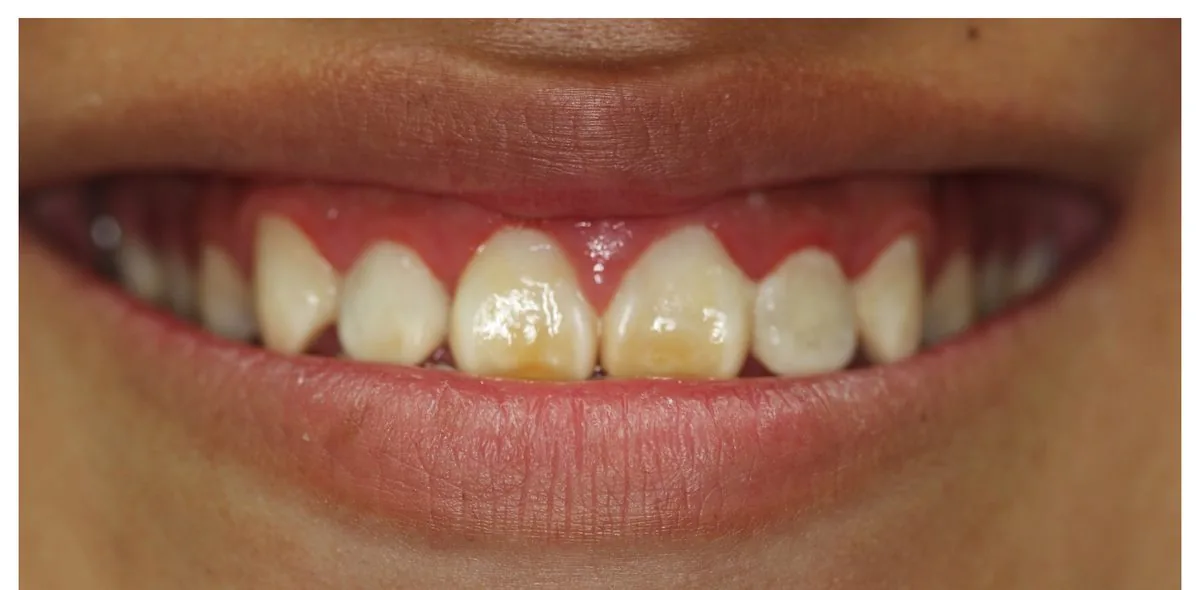
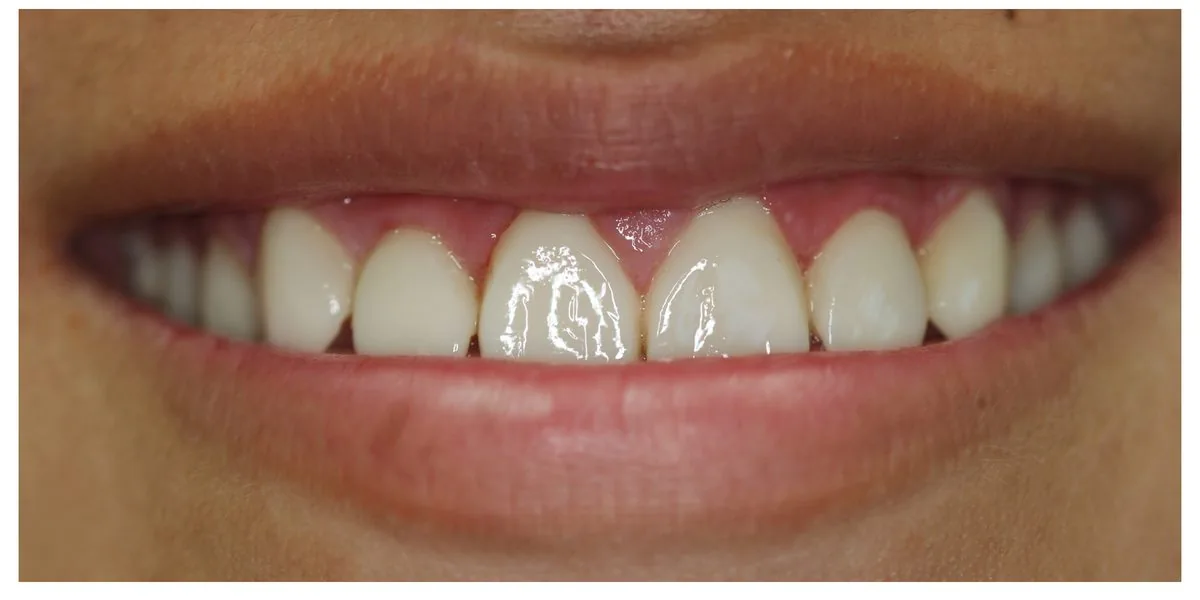
Apollonia's case is a perfect example of the composite-first strategy — 10 no-prep veneers that delivered a dramatic result at a fraction of the porcelain price:
 Before
 After
After
The Composite-First Strategy: The Smartest Affordable Option
The single best strategy for getting quality veneers on a budget is to start with composite. This is not a compromise — it is a clinically sound approach that experienced cosmetic dentists actively recommend, especially for patients under 35. Here is why:
- Lower cost, real results: Composite veneers for 8-10 teeth typically range from $6,000 to $12,000 — roughly half the cost of porcelain. The results are beautiful, natural-looking, and can last 5-7 years with proper care.
- Conservative approach: No-prep composite veneers require little to no removal of natural tooth structure. This preserves your options for the future. If you decide to upgrade to porcelain later in life, you are starting from a better position.
- Fully repairable: If a composite veneer chips, it can be repaired chairside in a single visit. A porcelain veneer that chips requires a full remake. This makes the long-term maintenance cost of composite significantly lower.
- The transition path: Many patients start with composite in their 20s or 30s, enjoy a beautiful smile for years, and then transition to porcelain in their 40s or 50s when they are ready for the long-term investment. This phased approach is both clinically sound and financially smart.
For a full breakdown of composite pricing, see the composite veneer cost guide.
In clinical practice, the composite-first strategy is one of the most underutilized approaches in cosmetic dentistry. Patients often assume they need porcelain to get a great result, but a skilled cosmetic dentist working with high-quality composite resin can achieve results that are nearly indistinguishable from porcelain — especially for younger patients whose teeth have good underlying structure and color. The key is the dentist's artistry, not the material alone.
Questions Patients Ask Every Day
Phased Treatment: Spreading the Investment Over Time
Not every patient needs — or can afford — all their veneers at once. A phased treatment plan is a legitimate clinical strategy that many cosmetic dentists offer. Here is how it works:
- Phase 1 — Upper smile zone (6-10 teeth): Start with the teeth that show when you smile. This delivers the biggest visual impact for the lowest initial cost. For composite, this is typically $6,000-$10,000.
- Phase 2 — Lower teeth (6-10 teeth): Once you are ready, complete the lower arch to create a fully harmonious smile. This can be done months or even years after Phase 1.
- Phase 3 — Material upgrade (optional): If you started with composite, you can transition to porcelain later when your budget allows.
The important thing is that a good cosmetic dentist will plan the entire case from the beginning — even if you are only doing Phase 1 now. This ensures that each phase builds on the last and the final result is cohesive. A dentist who does not discuss the full picture before starting is a red flag.
Financing: Making Quality Veneers Accessible
Most top-tier cosmetic dental offices partner with third-party financing companies that allow you to spread the cost over 12 to 60 months. This is not a compromise on quality — it is a tool that makes the right treatment accessible on your timeline. Common options include:
- CareCredit: The most widely used dental financing option. Many practices offer 0% interest for 12-24 months on qualifying purchases.
- LendingClub: Offers fixed monthly payments with terms up to 84 months.
- In-house payment plans: Some practices offer their own financing with no third-party involvement.
For a full guide on financing options and how to calculate your monthly payment, see the payment plans and financing guide.
What "Cheap Veneers" Actually Cost You
There is a critical difference between affordable and cheap. Affordable means finding the right strategy to get quality work within your budget. Cheap means cutting corners — and in cosmetic dentistry, corners always show. Here is what typically happens when patients chase the lowest price:
- Low-quality lab work: The veneer lab is where the artistry happens. A $150 lab fee per veneer produces a very different result than a $450 lab fee. Cheap labs use lower-grade materials, spend less time on customization, and produce veneers that look flat, opaque, and artificial.
- Rushed smile design: A proper veneer case requires detailed records — photos, X-rays, impressions, and a thorough bite analysis. Dentists who offer rock-bottom prices often skip these steps because they take time, and time is money.
- No bite analysis: This is the biggest red flag. If a dentist does not discuss your bite before placing veneers, the veneers will fail. The bite is the foundation. Veneers placed on an unstable bite will chip, crack, or debond — and the cost to fix them will far exceed what you saved.
- Dental tourism risks: While the initial price of veneers abroad may seem attractive, the lack of follow-up care, difficulty seeking recourse for complications, and the cost of corrective work make it a poor long-term investment for most patients.
For more on what drives veneer pricing, see the top 10 cost factors guide.