See what this investment looks like in practice:
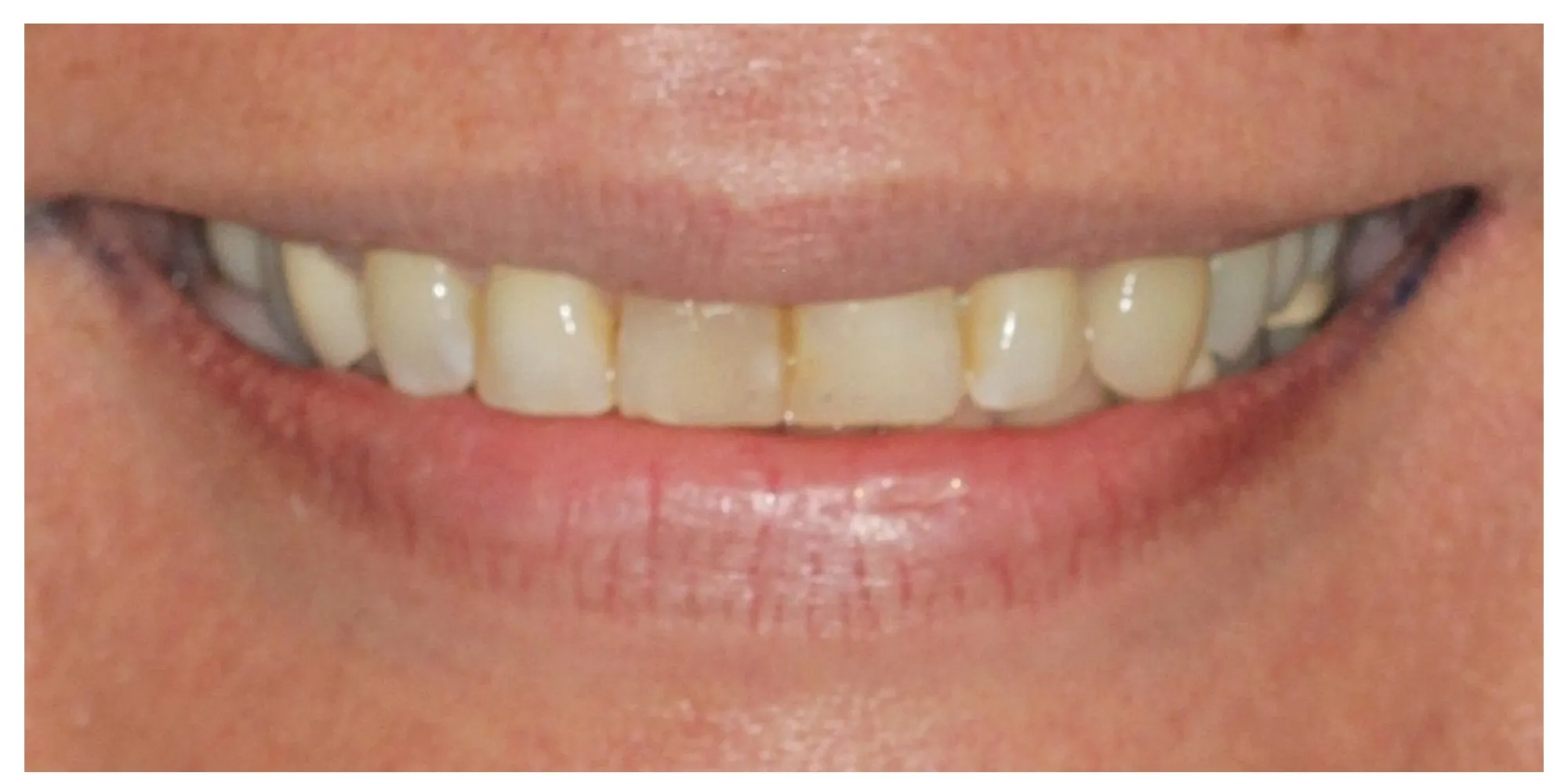 Before
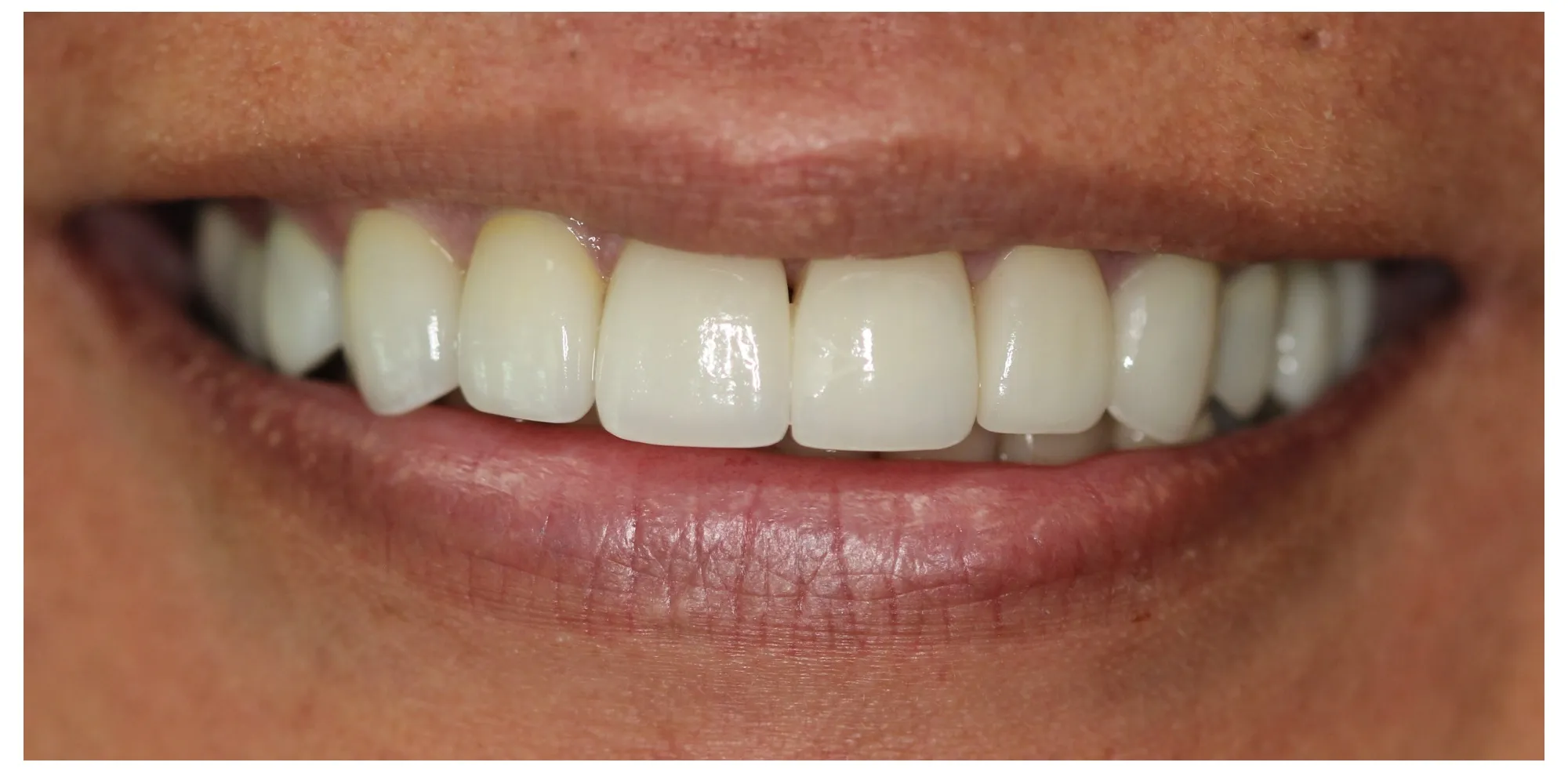 After
After
Does Insurance Cover Veneers? What You Need to Know in 2026
→ Veneer care and maintenance guide
For many, the idea of a a well-designed smile is synonymous with dental veneers. These thin, custom-made shells can correct a wide range of cosmetic imperfections, but their cost can be a significant barrier. A common question asked is whether dental insurance will help cover the cost of veneers. The straightforward answer is, in most cases, no. However, there are important exceptions and strategies that can make this transformative treatment more accessible.
Questions Patients Ask Every Day
Why Most Dental Insurance Plans Don't Cover Veneers
The primary reason dental insurance rarely covers veneers comes down to one key distinction: cosmetic vs. medically necessary treatment. Most dental benefit plans are designed to cover procedures that maintain or restore oral health, such as fillings, crowns for decay, or root canals. Veneers, in the majority of cases, are considered a purely cosmetic choice, intended to improve the appearance of your smile rather than to fix a functional problem.
According to the American Dental Association (ADA), cosmetic dentistry is defined as treatments that are elective and not essential for dental health. Because of this classification, insurance providers typically exclude veneers from their coverage, placing them in the same category as teeth whitening or other aesthetic enhancements.
Clinical Perspective: When patients ask about cost, experienced cosmetic dentists explain that veneer cases generally fall into three categories: 10 veneers for the upper arch, 10-over-10 for both arches, or a full reconstruction of 24 to 28 units. This puts most cases in the $16,000 to $65,000 range depending on what is needed. The price is not just about the number of teeth — it reflects the complexity of your bite, the quality of the lab, and how much design work goes into making the smile fit your face. Some patients even need orthodontic treatment first to get the bite right before restoring, which adds time but ensures everything lasts.
Exceptions to the Rule: When Insurance MIGHT Cover Veneers
While the general rule is that veneers are not covered, there are specific scenarios where a portion of the cost may be covered by your dental insurance. These exceptions hinge on proving that the veneers are not just for looks, but are a necessary part of a restorative treatment plan.
Restoration After Trauma or Injury
If a tooth is chipped, cracked, or broken due to an accident, a veneer may be considered a restorative procedure. In such cases, the veneer serves to restore the tooth's original shape, function, and strength. If you are looking for veneers near you, you will need to provide documentation from the time of the injury, and your dentist will need to make a strong case in the pre-authorization that the veneer is the most appropriate clinical solution.
Replacing Old or Failing Dental Work
In some instances, a veneer can be used to replace an old, failing composite bonding or a large, discolored filling on a front tooth. If the existing restoration is breaking down and putting the tooth at risk, an insurance provider may agree that a more durable veneer is a medically necessary replacement.
Congenital Defects or Structural Damage
Certain developmental conditions can result in malformed or structurally compromised teeth. For example, conditions like amelogenesis imperfecta affect enamel development, leaving teeth weak and prone to damage. In these situations, veneers can provide a protective and functional covering, and a strong argument can be made for medical necessity.
Cosmetic vs. Medically Necessary: A Quick Comparison
| Scenario | Typically Considered Cosmetic | Potentially Medically Necessary |
|---|---|---|
| Reason for Veneer | Closing small gaps, covering stains, changing tooth shape for aesthetic reasons. | Repairing a tooth broken in an accident, restoring a tooth with severe enamel erosion. |
| Insurance Likelihood | Coverage is highly unlikely. | Coverage is possible with strong documentation and pre-authorization. |
Maximizing Your Benefits: How to Navigate the Insurance Process
If you believe your case for veneers has a medical component, here are the steps to take to maximize your chances of getting coverage:
- Get a Pre-Authorization: This is the most critical step. Before you begin any treatment, your dentist must submit a pre-authorization or pre-determination of benefits to your insurance company. This document will outline the proposed treatment, the reasons it is necessary, and the associated costs. The insurance company will review it and inform you in writing what, if anything, they will cover.
- Provide Detailed Documentation: Your dentist should include comprehensive notes, X-rays, and intraoral photos to support the claim. If the veneer is needed due to trauma, include any records from the time of the injury. The American Academy of Cosmetic Dentistry (AACD) emphasizes the importance of clear clinical evidence.
- Consider an Appeal: If your initial request is denied, you have the right to appeal the decision. Work with your dentist’s office to provide additional information or a letter explaining why the veneer is the best and most conservative treatment for your clinical situation.
Using FSA or HSA for Veneers
Even if your dental insurance won't cover veneers, you may have other options. A Flexible Spending Account (FSA) or Health Savings Account (HSA) can be a great way to pay for cosmetic dentistry with pre-tax dollars. These accounts, typically offered through an employer, allow you to set aside money for qualified medical and dental expenses. Since veneers are a dental treatment provided by a licensed professional, they are generally an eligible expense for both FSA and HSA funds. Check with your plan administrator to confirm the details.
What to Expect at a Consultation: A proper veneer consultation takes about an hour to an hour and a half. It should include photos, an exam, and X-rays at minimum. Most of the time, the dentist can determine whether a patient needs 10 veneers, 20 veneers, or a full reconstruction during this first visit. You should walk away from a consultation feeling confident about your path forward and knowing that any concerns will be worked out during the temporary phase before anything is made permanent.