Veneer Problems: Common Issues, Complications & Solutions
Dental veneers can be a significant investment in your smile, delivering beautiful, long-lasting results. According to the American Academy of Cosmetic Dentistry (AACD), veneers are a highly popular and effective treatment for achieving a more aesthetic smile. However, like any dental procedure, they are not without potential complications. While problems are not common, it's important for patients to be fully informed about the potential issues that can arise.
Understanding these potential veneer problems, their causes, and how they can be prevented or fixed is key to a successful outcome and protecting the cost of veneers. This guide will walk you through the most common complications, from minor issues to more significant veneer failure, ensuring you know what to expect and how to protect your investment.
Understanding Potential Veneer Problems
The success of dental veneers depends heavily on the skill of the cosmetic dentist, the quality of the materials used (like porcelain or composite), and the patient's own oral health and habits. The American Dental Association (ADA) emphasizes the importance of selecting a dentist with specific training and experience in cosmetic procedures. A meticulous approach to planning and placement is the first line of defense against veneer problems.
In cosmetic dentistry practice, post-cementation sensitivity is reported by approximately 30% of patients within the first two weeks after veneer placement. This sensitivity typically manifests as mild, transient discomfort to cold stimuli and usually resolves by the fourth week without intervention. However, sensitivity persisting beyond four weeks, especially if it worsens or is accompanied by spontaneous pain or swelling, often indicates underlying issues such as microleakage, pulpitis, or cement remnants. Recognizing this timeline is critical; patients experiencing prolonged or severe sensitivity should seek evaluation promptly to prevent irreversible pulp damage. Understanding this distinction helps patients set realistic expectations and avoid unnecessary anxiety during the healing phase.
Complications can range from minor aesthetic concerns to functional issues that require intervention. Fortunately, most common veneer problems are preventable and treatable.
Clinical Perspective: How long veneers last depends on three factors: wearing a night guard, maintaining good oral hygiene, and whether the bite was properly addressed during treatment. Clinical studies on crowns made from the same E.max material show average lifetimes around 50 years. For younger patients, starting with composite and transitioning to porcelain later is sometimes recommended — this reduces the likelihood of needing replacements over a lifetime. The key takeaway is that veneers last a long time when the bite is right.
Common Veneer Complications and How to Address Them
Here is a closer look at the most frequently encountered issues with dental veneers and the steps you can take to manage them.
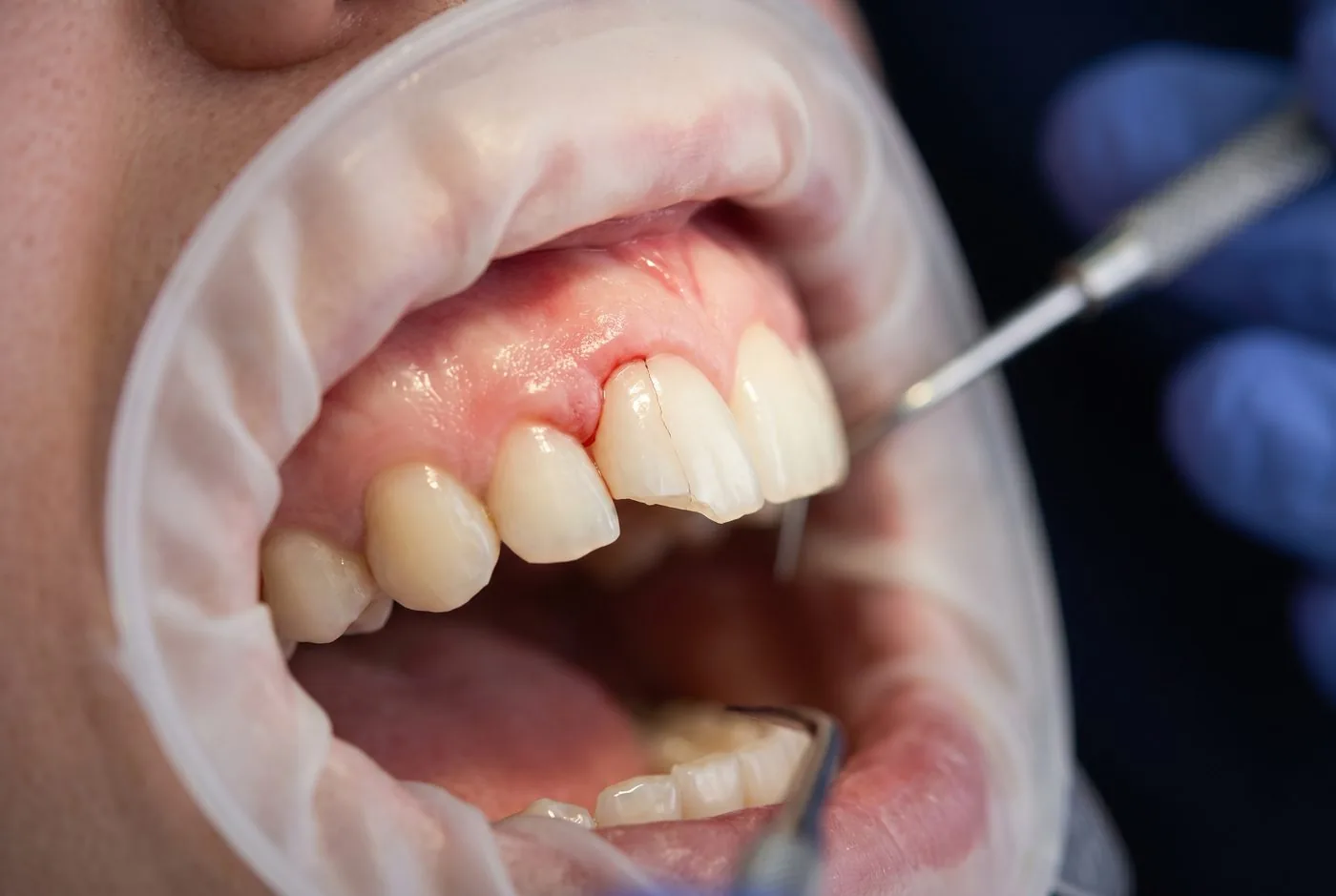
Chipping or Breakage
Porcelain veneers are incredibly durable, but they are not indestructible. Chipping is one of the more common veneer problems patients may face.
- Causes: This is often caused by trauma to the face or mouth, biting down on extremely hard objects (like ice, nuts, or hard candy), or chronic teeth grinding (bruxism).
- Prevention: Avoid using your teeth as tools to open packages. If you grind your teeth at night, your dentist will strongly recommend a custom-fitted nightguard to protect your veneers.
- Solutions: Minor chips can sometimes be smoothed and polished by your dentist. More significant chips or fractures may require repair with composite resin or, in more severe cases, a full veneer replacement.
Debonding (Veneers Falling Off)
A veneer becoming loose or falling off completely is known as debonding, which is a clear sign of a problem that needs immediate attention if you have veneers near you.
- Causes: Debonding can result from an improper bonding process during placement, insufficient tooth enamel for a strong bond, underlying tooth decay that weakens the structure, or sustained, excessive force.
- Prevention: A dentist must ensure the tooth surface is properly prepared and isolated for a perfect bond. Maintaining excellent oral hygiene to prevent decay around the veneer's edges is also crucial.
- Solutions: If the veneer is intact and the underlying tooth is healthy, it can often be simply rebonded. If decay is present, it must be treated first, which might necessitate a new veneer.
Tooth Sensitivity
A temporary increase in tooth sensitivity after veneer placement is normal, as shown in many before and after veneers cases. However, persistent or severe sensitivity can be a veneer complication.
- Causes: Sensitivity typically arises from the removal of a thin layer of tooth enamel required to place the veneer. If the veneer does not fit perfectly or isn't sealed properly, the underlying dentin can be exposed to hot and cold stimuli.
- Prevention: A conservative approach to enamel removal is key. Modern techniques allow for minimal tooth preparation. A precise fit is also essential to seal the tooth completely.
- Solutions: Using a desensitizing toothpaste can help manage mild sensitivity. If the issue persists, your dentist may apply a desensitizing agent or check the veneer's margins for any gaps that may need to be sealed.
Color Mismatch or Staining
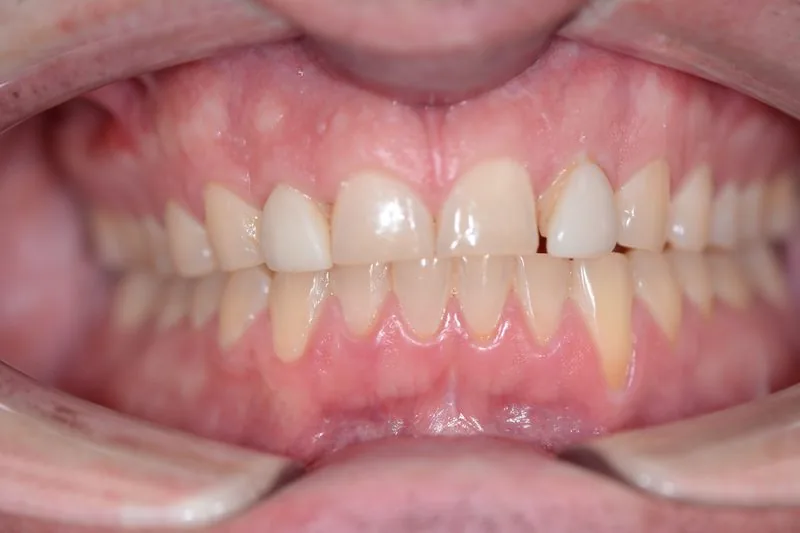
Achieving a perfect color match is an art and a science. A mismatch can be one of the most disappointing aesthetic veneer problems.
- Causes: The issue can stem from an incorrect color choice at the outset, or because the surrounding natural teeth have stained over time, making the veneer appear too white. The color of the dental cement used can also affect the final shade.
- Prevention: Take your time during the color selection process. Many dentists recommend whitening your natural teeth *before* getting veneers to achieve a brighter, more uniform starting point. Porcelain itself is highly stain-resistant, but the natural teeth are not.
- Solutions: If the mismatch is due to staining of adjacent teeth, a professional teeth whitening treatment can restore a uniform look. If the veneer itself is the wrong color, the only solution is to replace it.
Gum Recession and Irritation
The health of your gums is foundational to the success of your veneers. Irritated, inflamed, or receding gums around a veneer are a red flag.
- Causes: This is often due to an improper fit, where the edge of the veneer impinges on the gum tissue. It can also be a sign of pre-existing or developing gum disease (gingivitis or periodontitis).
- Prevention: Your gums must be healthy before veneer placement. The dentist must also ensure the veneers are shaped and placed precisely to follow the natural gumline without causing irritation.
- Solutions: Minor adjustments to the veneer's shape may resolve the irritation. If gum disease is the cause, it must be treated promptly. In some cases of severe recession, the veneer may need to be replaced.
Veneer Failure and Longevity
True "veneer failure" refers to a situation where a veneer cannot be repaired and must be completely replaced. This can be due to a severe fracture, repeated debonding, or significant decay in the underlying tooth. While many dentists offer a limited warranty on their work, this often covers manufacturing defects or placement errors, not problems arising from patient habits or trauma.
With proper care, veneers can last 10-15 years or even longer, as noted in studies published in journals like the *Journal of the American Dental Association*. Discussing the terms of any warranty and understanding the factors that influence longevity are critical parts of the consultation process.
| Problem | Common Causes | Potential Solutions |
|---|---|---|
| Chipping / Breakage | Trauma, biting hard items, teeth grinding | Polishing, bonding repair, replacement |
| Debonding (Falling Off) | Improper bonding, tooth decay, excessive force | Re-bonding, decay treatment, replacement |
| Tooth Sensitivity | Enamel removal, improper fit/seal | Desensitizing toothpaste, dental sealing |
| Color Mismatch | Incorrect shade choice, staining of natural teeth | Teeth whitening, veneer replacement |
| Gum Irritation | Poor fit, pre-existing gum disease | Veneer adjustment, gum disease treatment |
Frequently Asked Questions (FAQs) about Veneer Problems
Clinical Perspective: When evaluating a veneer dentist, look for these things: Do they offer a smile try-in? Do they take thorough records including photos, X-rays, and impressions? Are they discussing your bite and how everything fits together? If a dentist does not require detailed records and photos to send to their lab, they are probably not using a lab that demands those things — which means the lab quality may not be where it needs to be for a case that should last decades.
Important Limitations to Consider
Veneers are not a universal solution. They require sufficient enamel for bonding, a stable bite, and healthy gum tissue. Patients with active periodontal disease, severe bruxism, or significant misalignment may need to address those conditions first — or may be better served by orthodontics, crowns, or other restorations. The information on this page is educational and does not substitute for a clinical evaluation by a licensed dentist.
Yes, often they can. For small chips, a dentist can often use a composite resin to seamlessly repair the spot. For larger cracks or fractures, the veneer may need to be fully replaced to ensure strength and aesthetics.
If your veneer falls off, contact your dentist immediately. Keep the veneer safe and bring it with you. In many cases, if the veneer and the tooth are undamaged, the dentist can simply clean the tooth and rebond it. Do not attempt to reattach it yourself.
It's common to experience some temporary sensitivity to hot and cold for a few days after the procedure. However, long-term sensitivity is not normal. If it persists, it could indicate an issue with the veneer's fit or seal, which your dentist should evaluate.
A color mismatch can happen if the initial shade selection was off or if your natural teeth have stained over time. Porcelain is very stain-resistant, so while your natural teeth may darken from coffee, tea, or wine, the veneers will not. The best solution is often to whiten the surrounding teeth to match the veneers again.