Porcelain Veneers: The Gold Standard for Durable, Natural-Looking Smile Transformations
Porcelain veneers have become one of the most popular solutions for patients seeking to enhance their smiles with a durable and natural-looking restoration. This cosmetic dental treatment addresses common issues such as discoloration, worn teeth, chips, and gaps, providing a long-lasting improvement that mimics the appearance of natural enamel. Millions of patients worldwide opt for porcelain veneers each year due to their remarkable aesthetic qualities and resilience, making them a trusted choice for smile makeovers.
The underlying causes of the dental problems porcelain veneers address vary, but they often stem from factors like aging, trauma, genetics, and lifestyle habits. Teeth can become discolored over time due to consumption of staining substances like coffee, tea, or tobacco, or as a result of certain medications. Wear and tear from grinding or biting can cause enamel erosion and chips, while gaps or uneven spacing may be hereditary or develop from shifting teeth. These issues not only affect the appearance of the smile but can also impact confidence and oral function. Porcelain veneers work by covering the front surface of the teeth with a thin, custom-crafted layer of ceramic, effectively masking imperfections and restoring the tooth’s natural shape and color.
What sets porcelain veneers apart is their ability to combine strength with an incredibly lifelike appearance. Porcelain is a highly durable material that resists staining far better than natural enamel or composite alternatives, making it ideal for patients who want their smile to maintain its brilliance over many years. Additionally, porcelain’s translucency closely mimics natural tooth enamel, allowing light to reflect in a way that looks completely authentic. By bonding these veneers securely to the teeth, dentists can correct a wide range of cosmetic concerns while preserving most of the natural tooth structure. This minimally invasive approach ensures that the final result is both beautiful and functional.
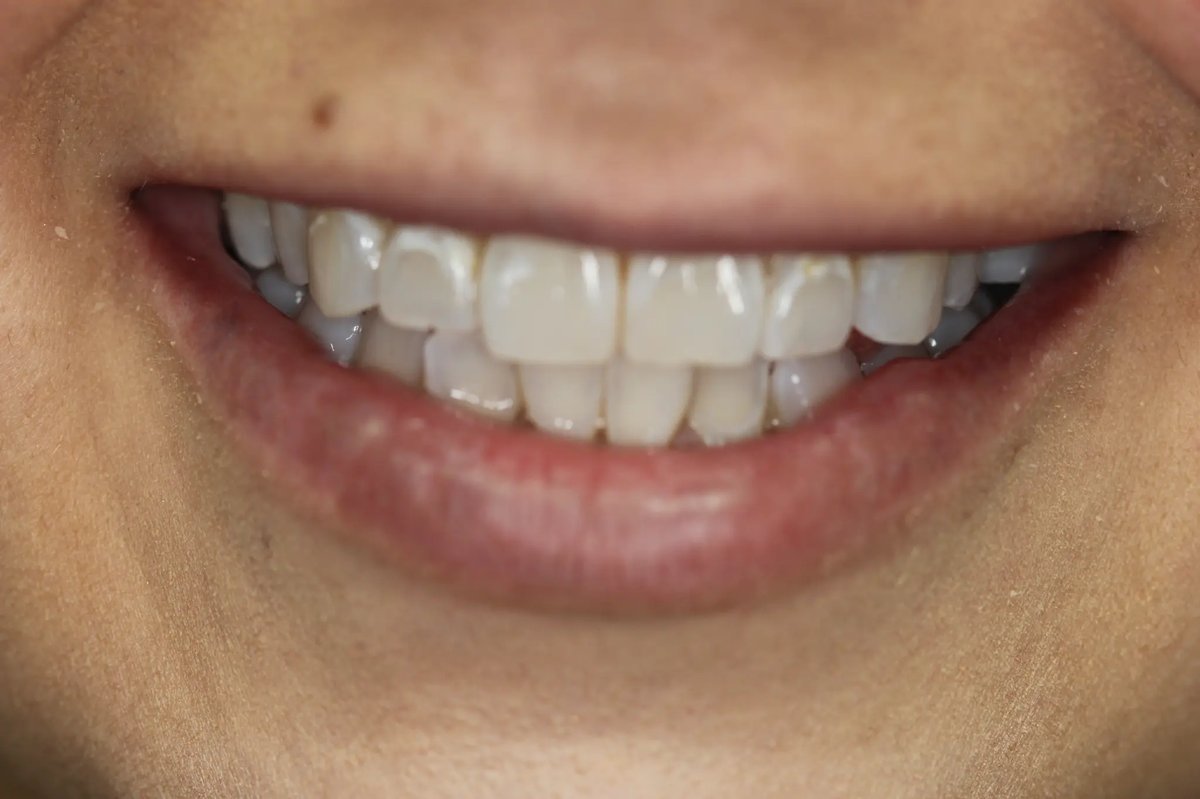
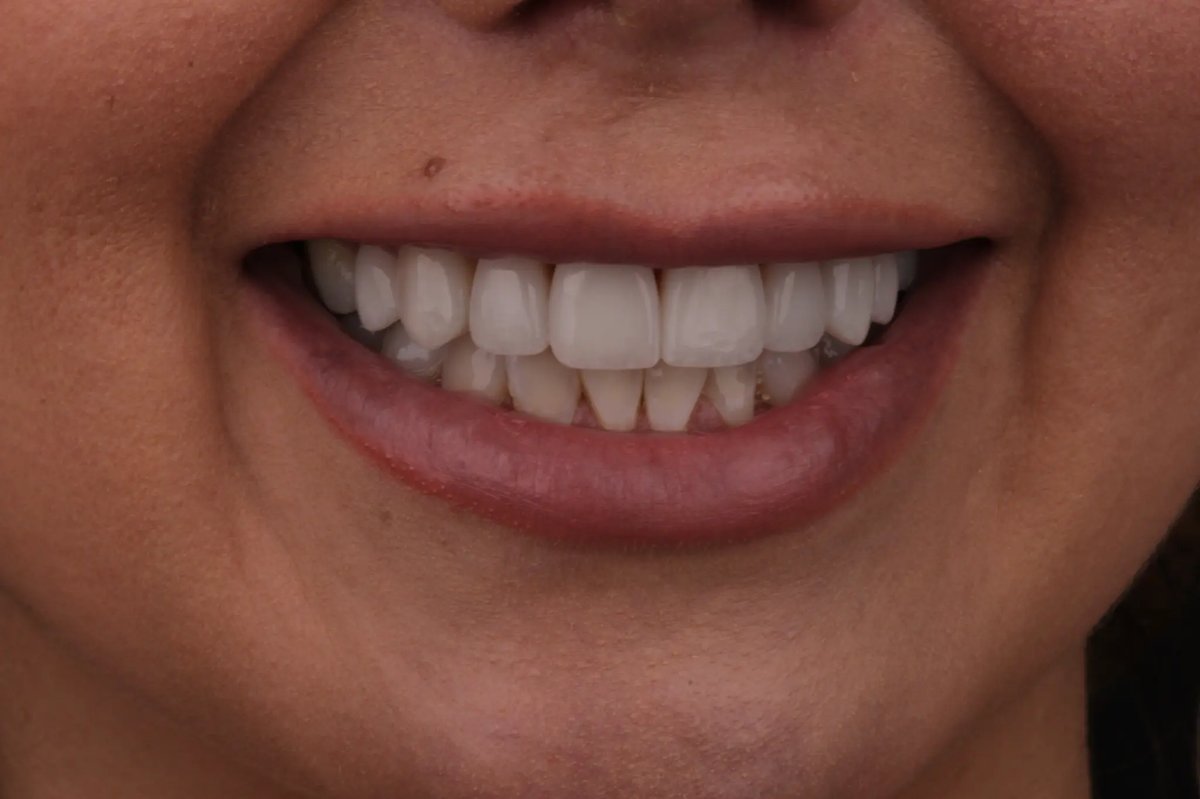
For example, Cory's porcelain veneer result showcases how veneers can provide a comprehensive smile transformation tailored to an active lifestyle. Cory sought a solution that would not only enhance his smile aesthetically but also endure the demands of his daily activities. His case highlights the durability and longevity of porcelain veneers, demonstrating their suitability for patients who desire a robust yet natural-looking enhancement.
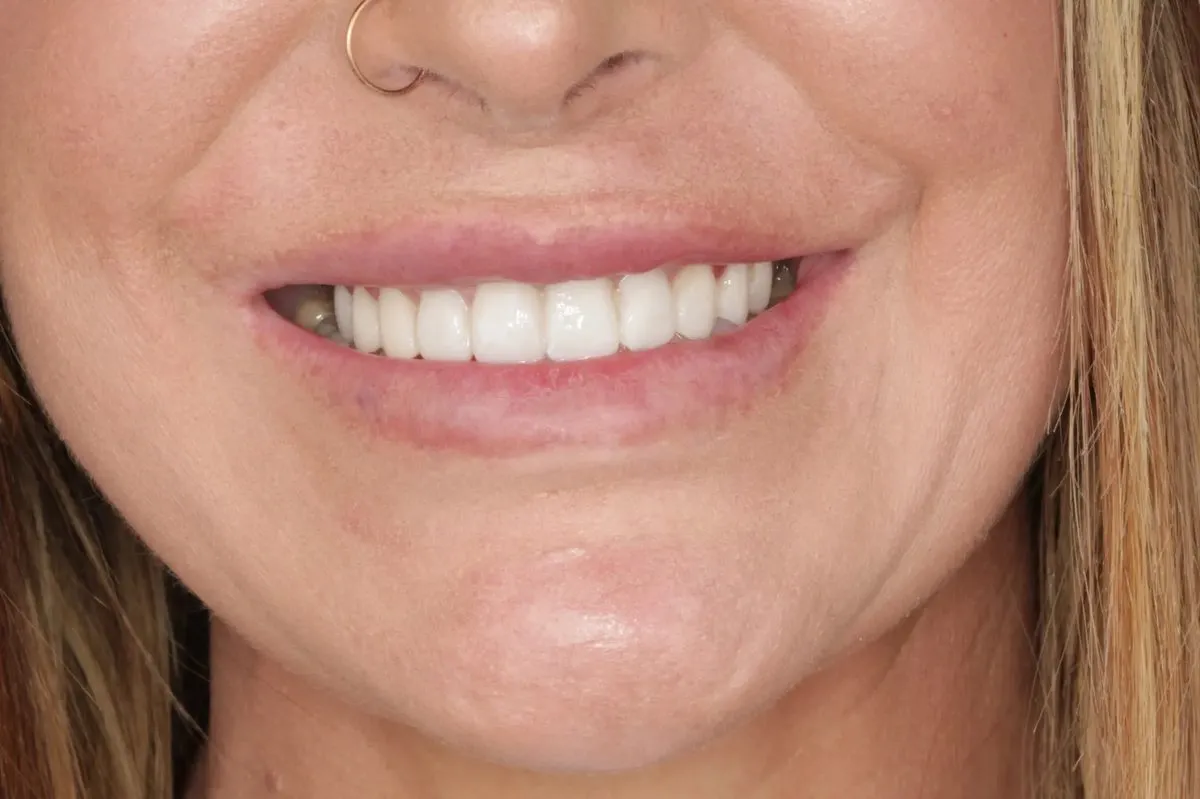
Another illustrative case is Shantel's porcelain smile transformation, where veneers were used to correct discoloration and minor chips. Shantel wanted the most natural-looking material available to restore her confidence and improve her smile’s appearance. Her treatment underscores how porcelain veneers can effectively address subtle imperfections, resulting in a seamless and radiant smile that blends harmoniously with the rest of the teeth.
Determining whether porcelain veneers are the right choice depends on several factors. Ideal candidates are individuals with healthy teeth and gums who seek to correct cosmetic issues such as discoloration, minor chips, or small gaps without extensive tooth damage. Patients should have realistic expectations and be committed to maintaining good oral hygiene to preserve their veneers. However, those with significant tooth decay, severe misalignment, or insufficient enamel may need to explore other restorative options. It is essential to consult with a qualified cosmetic dentist to evaluate your specific situation and discuss whether you are a good candidate for porcelain veneers.
While porcelain veneers offer many advantages, alternative treatments may be more appropriate in certain cases. Composite veneers, for instance, are a lower-cost option that involves applying a tooth-colored resin directly to the teeth. Although composite veneers can be completed more quickly, they generally have a shorter lifespan and are more prone to staining compared to porcelain. Dental crowns, on the other hand, are recommended when a tooth requires more extensive coverage due to significant decay or structural damage. Crowns encase the entire tooth and provide greater strength but involve more tooth reduction. Understanding these options helps patients make informed decisions based on their dental health, budget, and aesthetic goals.
For those considering porcelain veneers, learning about everything about porcelain veneers and reviewing the porcelain veneer procedure step by step can provide valuable insight into what to expect during treatment. Additionally, exploring the cost of porcelain veneers will help patients plan their investment in a smile transformation. Together, these resources offer a comprehensive overview to guide you through the process of achieving a durable, natural-looking smile with porcelain veneers.
Understanding Porcelain Veneers
Many individuals face dental imperfections that can significantly affect their confidence and willingness to smile openly. Issues such as discoloration, uneven tooth shapes, minor chips, gaps, or worn edges often arise due to a combination of factors including genetics, aging, dental trauma, or lifestyle habits like smoking and frequent coffee consumption. These dental concerns are not merely cosmetic; they can influence social interactions, professional opportunities, and overall emotional well-being. The desire for a bright, harmonious smile is a common motivation for seeking dental treatments that restore both function and aesthetics.
Porcelain veneers have become a popular and effective solution for addressing these concerns. These ultra-thin shells are designed to cover the front surface of teeth, masking imperfections and creating a uniform, natural-looking smile. The appeal of porcelain veneers lies in their ability to replicate the translucency and texture of natural enamel, offering a result that looks and feels authentic. Unlike other cosmetic options, porcelain veneers provide a durable and stain-resistant finish that maintains its brilliance over time, which is essential for patients seeking a long-term enhancement rather than a temporary fix.
Beyond the physical transformation, the emotional impact of porcelain veneers is profound. Patients often report a significant boost in self-esteem and an improved quality of life after treatment. The confidence gained from a revitalized smile encourages more frequent smiling, greater social engagement, and a positive shift in personal and professional relationships. Understanding the causes and consequences of dental imperfections helps patients appreciate how porcelain veneers can be a life-changing investment in both appearance and psychological well-being.
How Veneers Address Porcelain Veneers
Porcelain veneers work by meticulously covering the front surfaces of teeth with custom-crafted shells that conceal a wide range of imperfections. The process begins with a thorough dental examination and consultation to determine the patient’s goals and suitability for veneers. During the preparation phase, a small amount of enamel—typically less than a millimeter—is gently removed from the tooth surface. This step is critical to ensure that the veneers fit seamlessly without adding bulk, preserving the natural contours of the smile and allowing the veneers to bond securely.
The choice of porcelain as the material for veneers is driven by its exceptional aesthetic and functional properties. Porcelain’s translucency closely mimics natural tooth enamel, allowing light to reflect and refract in a lifelike manner. Additionally, porcelain is highly resistant to staining from common culprits like coffee, tea, and tobacco, helping maintain a bright appearance for years. The durability of porcelain veneers means they can withstand normal biting forces while providing a smooth, comfortable feel. Patients like Cory have selected porcelain veneers specifically for their longevity and resilience, ensuring their investment in a smile makeover stands the test of time.
Once fabricated in a dental laboratory, the veneers are carefully bonded to the prepared teeth using advanced dental adhesives. This bonding process not only secures the veneers in place but also protects the underlying tooth structure. The final result is a smile that looks natural, feels comfortable, and functions effectively. For patients prioritizing a natural appearance, cases such as Shantel’s demonstrate how porcelain veneers can enhance aesthetics without appearing artificial. To understand the clinical steps in detail, patients can explore the porcelain veneer procedure guide, which outlines each stage from consultation to final placement.
Are You a Candidate?
Determining candidacy for porcelain veneers involves a comprehensive dental evaluation to assess oral health, tooth structure, and aesthetic goals. Ideal candidates typically have healthy gums and sufficient enamel to support the bonding process. Porcelain veneers are well-suited for correcting discoloration that cannot be effectively treated with whitening, minor tooth misalignments, uneven shapes, and small gaps. However, patients with severe tooth decay, active gum disease, or significant bite issues may require alternative treatments before veneers can be considered.
It is important to note that porcelain veneers are not recommended for individuals who habitually grind or clench their teeth (bruxism) without proper management, as this can cause premature veneer damage. In such cases, protective measures like night guards or other restorative options might be advised. Additionally, patients with insufficient enamel or those seeking to correct extensive structural damage may benefit more from crowns or orthodontic treatments. Exploring the full range of options and understanding the benefits and limitations of porcelain veneers can be facilitated by reviewing the porcelain veneer guide, which provides detailed information on suitability and alternatives.
What to Expect: Cost and Process
The cost of porcelain veneers varies depending on factors such as the number of teeth treated, the complexity of the case, geographic location, and the expertise of the dental provider. On average, porcelain veneers can range from $900 to $2,500 per tooth. This investment typically includes the initial consultation, tooth preparation, fabrication of the veneers in a dental laboratory, and final bonding. Some dental practices also offer digital smile design and temporary veneers during the treatment period to enhance patient experience and predictability of results.
The treatment timeline usually spans several weeks, beginning with a consultation where the dentist discusses goals, examines oral health, and may take digital scans or impressions. Following tooth preparation, impressions are sent to a laboratory where skilled technicians craft the custom veneers, a process that can take one to two weeks. During this time, patients may receive temporary veneers to protect their teeth and preview the aesthetic changes. The final appointment involves fitting and bonding the veneers, with adjustments made to ensure comfort and optimal appearance. For patients interested in understanding the longevity and maintenance of their new smile, the how long porcelain veneers last page offers valuable insights into care and durability.
Real Patient Results
Seeing real patient transformations can provide reassurance and inspiration for those considering porcelain veneers. For instance, Cory’s case highlights the benefits of choosing porcelain veneers for a long-lasting smile enhancement. His treatment addressed discoloration and minor chipping, resulting in a natural and resilient smile that continues to impress years after placement. Cory’s story exemplifies how porcelain veneers can be a worthwhile investment for patients seeking durability combined with aesthetic excellence.
Another compelling example is Shantel’s case, which focuses on achieving a natural appearance. Her veneers were designed to blend seamlessly with her existing teeth, correcting uneven shapes and subtle gaps without appearing artificial. Shantel’s results demonstrate the artistry involved in veneer design and the importance of personalized treatment planning. Both Cory’s and Shantel’s cases are detailed on the site, providing an inside look at the treatment journey and outcomes through their respective porcelain veneer case study and patient story.
For those considering porcelain veneers, these real-world examples underscore the transformative potential of this treatment. Combining clinical expertise with advanced materials, porcelain veneers offer a reliable path to a confident, radiant smile that can positively impact many aspects of life.
 Before
 After
After
 Before
 After
After