Veneers Before and After: Real Results & What to Expect
Joanne — The Most Dramatic Before & After on This Site
Challenge: Joanne's teeth were so worn and her bite so collapsed that she avoided smiling entirely.
Treatment: 24 restorations over multiple appointments to rebuild her entire bite and smile.
Outcome: The before-and-after photos document a transformation that goes far beyond cosmetics — her jaw pain is gone and her bite functions correctly for the first time in decades.
See Joanne's Before & After → View Full Case StudyConsidering dental veneers? You’re not alone. Veneers are one of the most popular cosmetic dentistry treatments, capable of delivering a dramatic smile transformation. But what can you realistically expect from the process? This guide will walk you through real patient results, what makes a good outcome, and how to spot red flags in before-and-after photos.
What Dental Issues Can Veneers Fix?
Veneers are thin shells of porcelain or composite resin that are custom-made to fit over your teeth. They can address a wide range of cosmetic concerns, and understanding the cost of veneers can help you make an informed decision.
Tricia — Complete Smile Makeover
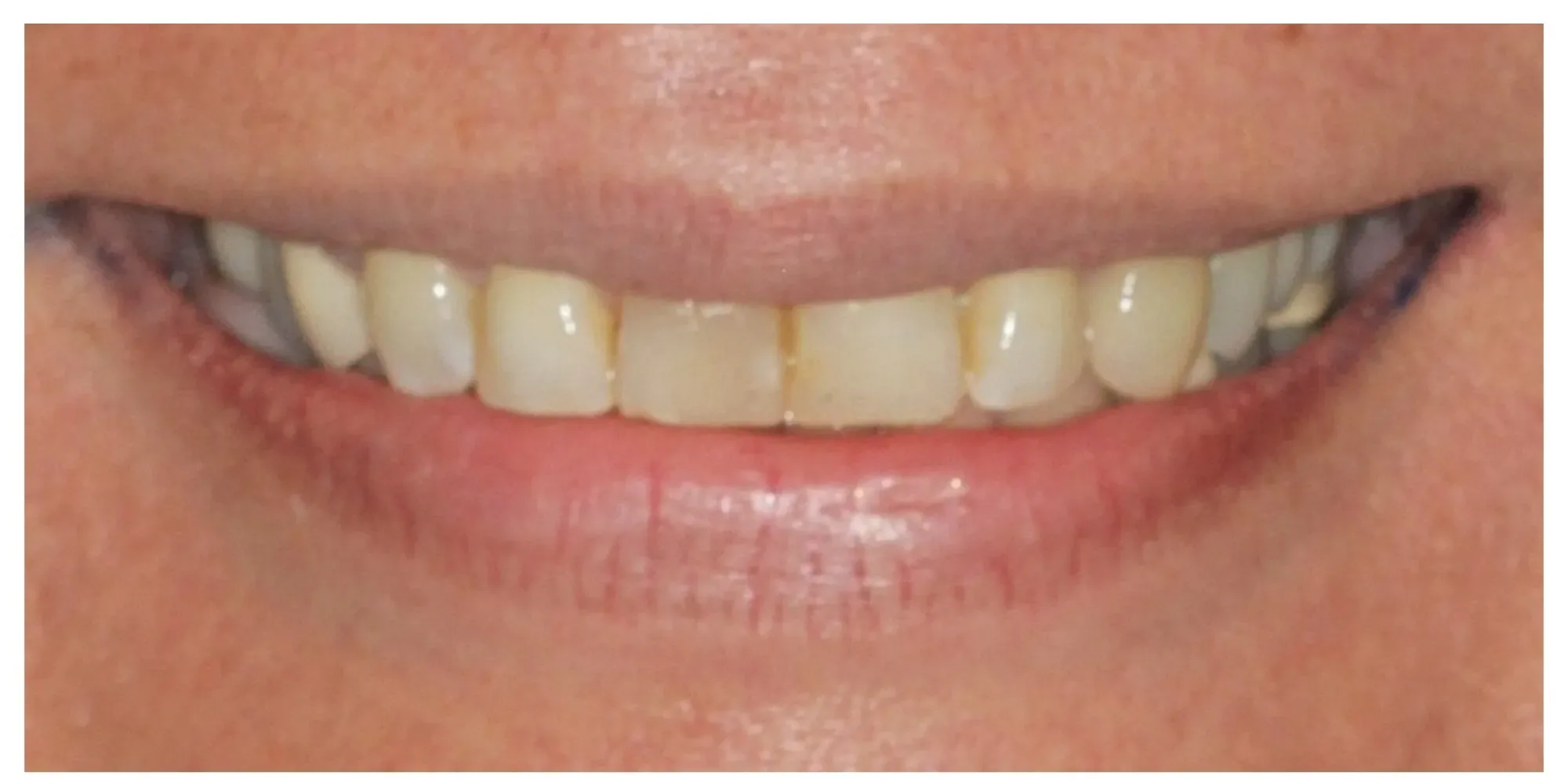 Before
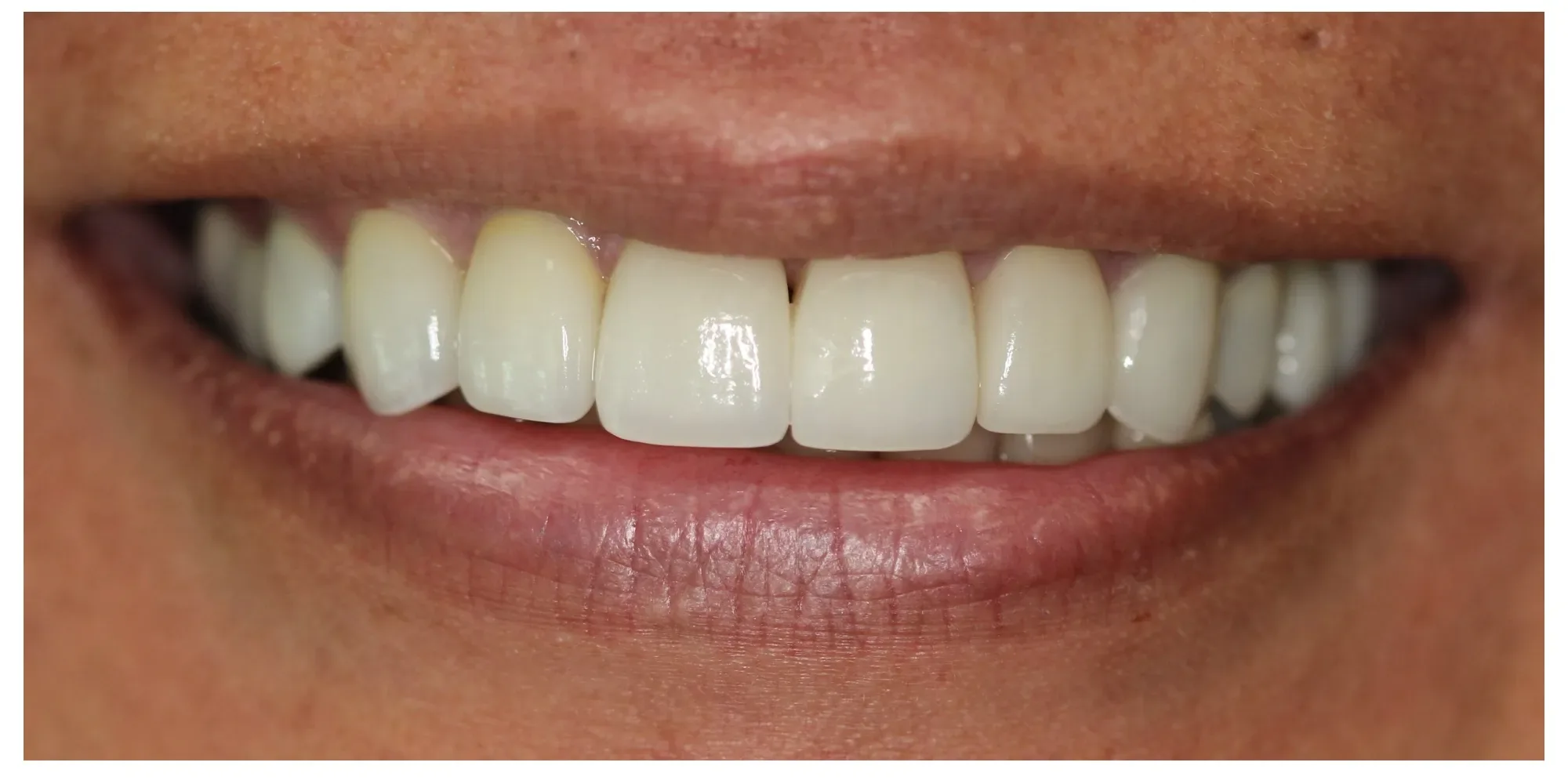 After
After
One of the most dramatic full-smile transformations in our case library.
Read the full case →Lexi — Staining & Proportion Correction
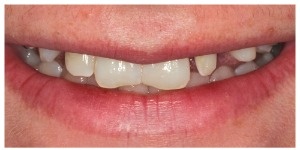 Before
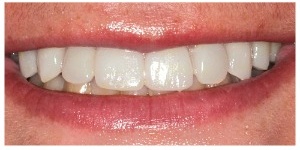 After
After
Stained, disproportionate teeth corrected with 10 E.max veneers.
Read the full case →When evaluating veneer before-and-after photos, patients should look beyond surface aesthetics to assess functional outcomes. First, observe the occlusal relationships—properly restored veneers maintain or improve natural bite alignment without creating excessive wear or interferences. Second, check for harmonious gingival contours; healthy, symmetrical gum lines suggest careful integration of restorations without causing tissue irritation. Third, note the incisal edge thickness and translucency—overly bulky or opaque veneers can compromise enamel conservation and function. These subtle cues indicate a dentist’s commitment to long-term oral health, not just appearance, guiding patients to choose providers who balance beauty with durable function.
- Discoloration: For stains that don’t respond to whitening treatments.
- Chips and Cracks: To restore the original appearance of a tooth.
- Gaps: To close spaces between teeth.
- Minor Misalignment: For slightly crooked or misshapen teeth.
Veneer Materials: A Quick Comparison
The two most common materials used for veneers are porcelain and composite resin. Here’s a quick comparison to help you understand the differences: See how this treatment transformed a real patient's smile in Joanne's case study.
| Feature | Porcelain Veneers | Composite Veneers |
|---|---|---|
| Durability | Excellent (10-15 years) | Good (5-7 years) |
| Stain Resistance | Highly resistant | Susceptible to staining |
| Appearance | Very natural, translucent | Good, but can look less natural |
| Cost | More expensive | Less expensive |
The best material for you will depend on your budget, cosmetic goals, and lifestyle. A consultation with a qualified cosmetic dentist is the best way to determine which option is right for you.
Clinical Perspective: How long veneers last depends on three factors: wearing a night guard, maintaining good oral hygiene, and whether the bite was properly addressed during treatment. Clinical studies on crowns made from the same E.max material show average lifetimes around 50 years. For younger patients, starting with composite and transitioning to porcelain later is sometimes recommended — this reduces the likelihood of needing replacements over a lifetime. The key takeaway is that veneers last a long time when the bite is right.
Veneers Before and After: A Realistic Look at the Results
While online galleries are filled with stunning transformations, it's important to have realistic expectations. The success of your veneer treatment depends on several factors, including the skill of your dentist, the quality of the materials used, and your own dental health.
What Makes a Good Result?
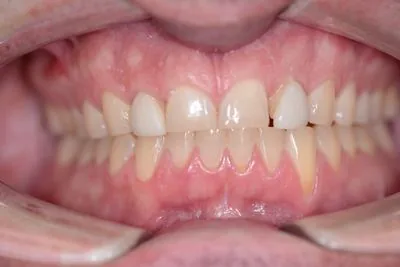
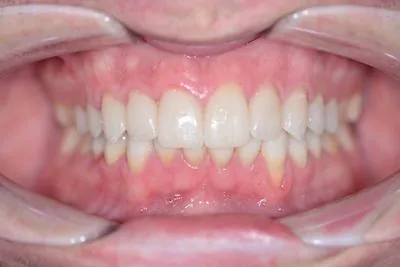
A successful veneer treatment should result in a smile that looks natural and beautiful. Here’s what to look for:
- Natural Appearance: The veneers should match the color and translucency of your natural teeth.
- Proper Fit: The veneers should fit snugly against your teeth without any gaps or ledges.
- Healthy Gums: Your gums should be pink and healthy, with no signs of inflammation.
 Click to enlarge
 Click to enlarge
Red Flags in Before-and-After Photos
When browsing before-and-after galleries, be on the lookout for these red flags:
- Opaque or Unnatural-Looking Veneers: Veneers that are too white or too opaque can look fake.
- Bulky or Over-Contoured Veneers: This can indicate a poor fit or an inexperienced dentist.
- Inflamed or Receding Gums: This could be a sign of a poorly executed procedure.
Veneer Results by Condition
The results you can expect from veneers will vary depending on your specific dental concerns, so it’s important to consult with professionals offering veneers near you. Here’s a breakdown of what’s possible for different conditions:
Gaps
Veneers are an excellent option for closing small to medium-sized gaps between teeth. The veneers are custom-made to be slightly wider than your natural teeth, effectively filling the space.
Chips and Cracks
A single veneer can be used to cover a chipped or cracked tooth, restoring its original shape and appearance. The veneer is bonded to the front of the tooth, including full mouth veneer costs, providing strength and protection.
Discoloration
For deep-set stains that don’t respond to whitening, veneers can provide a long-lasting solution. The veneers are placed over the stained teeth, creating a bright, white smile.
Crooked Teeth
Veneers can be used to correct minor misalignment, giving the appearance of a straighter smile. This is often referred to as "instant orthodontics." However, for more severe cases of crooked teeth, orthodontic treatment may be a better option. The American Academy of Cosmetic Dentistry (AACD) emphasizes that veneers are a great option for minor cosmetic adjustments. [1] For a real-world example, explore Brandon's before and after results.
The Importance of a Skilled Cosmetic Dentist
Achieving a beautiful, natural-looking smile with veneers requires a high level of skill and artistry. That's why it's so important to choose a cosmetic dentist who has extensive experience in veneer procedures. The American Dental Association (ADA) recommends asking to see before-and-after photos of the dentist's previous patients. [2] A skilled cosmetic dentist will work with you to create a personalized treatment plan that meets your unique needs and goals.
Clinical Perspective: When evaluating a veneer dentist, look for these things: Do they offer a smile try-in? Do they take thorough records including photos, X-rays, and impressions? Are they discussing your bite and how everything fits together? If a dentist does not require detailed records and photos to send to their lab, they are probably not using a lab that demands those things — which means the lab quality may not be where it needs to be for a case that should last decades.
With proper care, porcelain veneers can last for 10-15 years, while composite veneers typically last for 5-7 years. Regular dental check-ups and good oral hygiene are essential for maximizing the lifespan of your veneers.
No, veneers do not ruin your real teeth. A small amount of enamel is removed to ensure a proper fit, but this does not damage the underlying tooth structure. In fact, veneers can actually protect your teeth from further damage.
Yes, it is still possible to get cavities with veneers. The veneer itself is not susceptible to decay, but the underlying tooth is. That’s why it’s so important to maintain good oral hygiene, including regular brushing and flossing. The ADA recommends brushing twice a day with a fluoride toothpaste and flossing daily. [3] Curious what results look like? Mary's case shows a real patient outcome.
The cost of veneers can vary widely depending on the material used, the number of veneers received, and the geographic location of the dental practice. On average, porcelain veneers can cost between $925 and $2,500 per tooth, while composite veneers can cost between $250 and $1,500 per tooth. A personalized estimate of the cost can be provided by the estimator. Andrea's results can be viewed to see how veneers addressed a similar concern.
References
- American Academy of Cosmetic Dentistry. (n.d.). Veneers. Retrieved from https://www.aacd.com/veneers
- American Dental Association. (n.d.). Veneers. Retrieved from https://www.mouthhealthy.org/en/az-topics/v/veneers
- American Dental Association. (n.d.). Brushing Your Teeth. Retrieved from https://www.mouthhealthy.org/en/az-topics/b/brushing-your-teeth