Severe Tooth Discoloration: When Whitening Fails and Veneers Succeed
Tooth discoloration is a common dental concern that affects millions of people worldwide. While many individuals experience mild staining from foods, drinks, or smoking, some face severe intrinsic discoloration that significantly impacts their smile and confidence. This type of discoloration is often resistant to traditional whitening treatments and can result from factors such as tetracycline antibiotic use during childhood, dental fluorosis, trauma, or root canal therapy. Understanding the nature of these stains and the available treatment options is essential for patients seeking effective and lasting solutions.
Intrinsic discoloration occurs within the tooth’s structure, making it much more difficult to treat than surface stains. For example, tetracycline antibiotics, when taken during tooth development, can cause deep gray or brown banding that penetrates the enamel and dentin. Similarly, dental fluorosis results from excessive fluoride intake during enamel formation, leading to white spots, brown patches, or mottled enamel that cannot be removed by whitening. Trauma to a tooth or root canal treatment can also cause darkening from internal changes in the tooth’s pulp or dentin. Because these stains are embedded within the tooth, conventional whitening methods, which primarily target extrinsic stains on the surface, often fail to produce satisfactory results.
Dental veneers offer a highly effective solution for severe tooth discoloration that does not respond to whitening. Veneers are thin shells of porcelain or composite resin that are custom-made to fit over the front surface of teeth, completely masking discoloration while providing a natural and aesthetically pleasing appearance. Porcelain veneers, in particular, are renowned for their ability to mimic the translucency and color of natural teeth, making them an ideal choice for patients with intrinsic stains. By covering the discolored teeth with a durable, stain-resistant layer, veneers restore brightness and uniformity to the smile without the need for aggressive bleaching or repeated treatments.
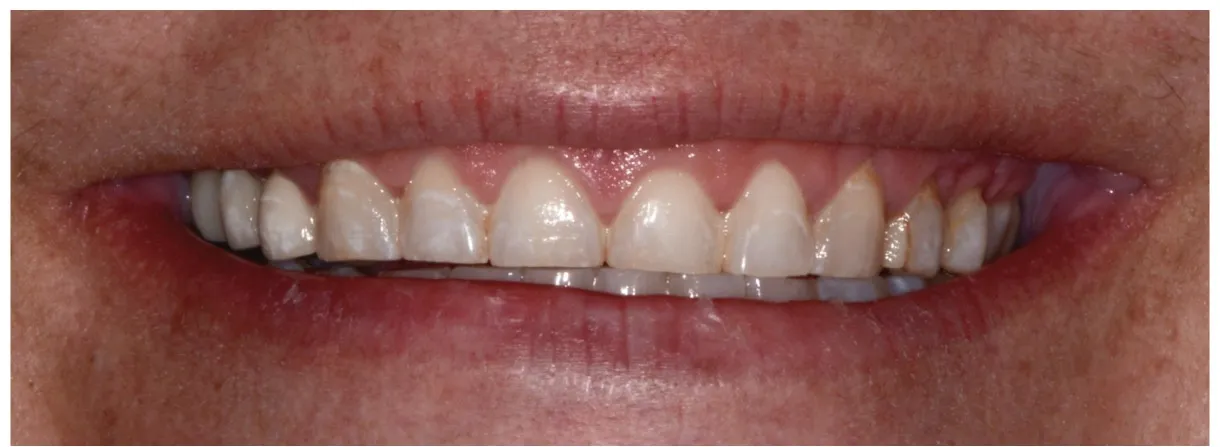
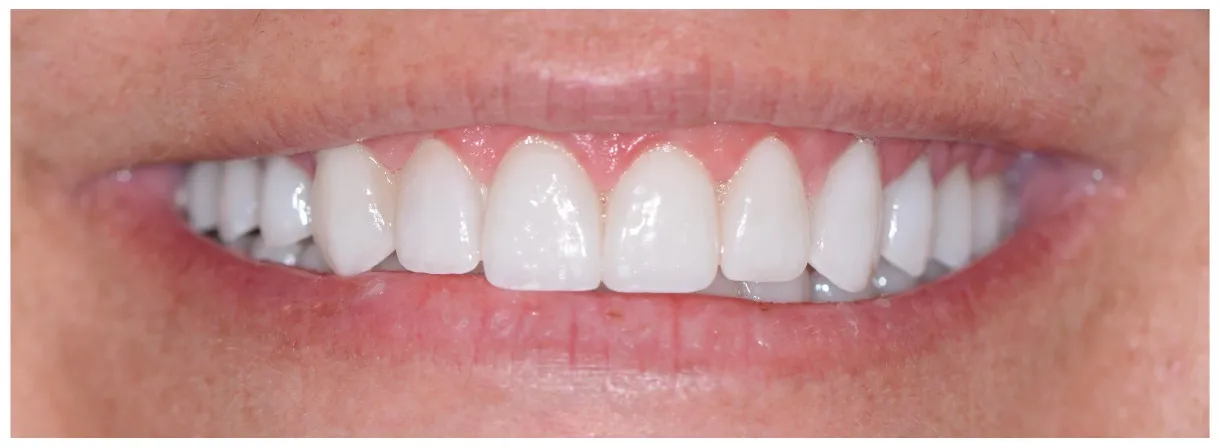
One illustrative example is Danielle's tetracycline staining correction. Danielle had deep gray banding across all her front teeth caused by childhood antibiotic use, a condition notoriously difficult to treat with whitening. Through porcelain veneers, her dentist was able to completely conceal the discoloration, resulting in a vibrant, natural-looking smile that significantly improved her confidence. This case highlights how veneers can address even the most challenging intrinsic stains that whitening cannot touch.
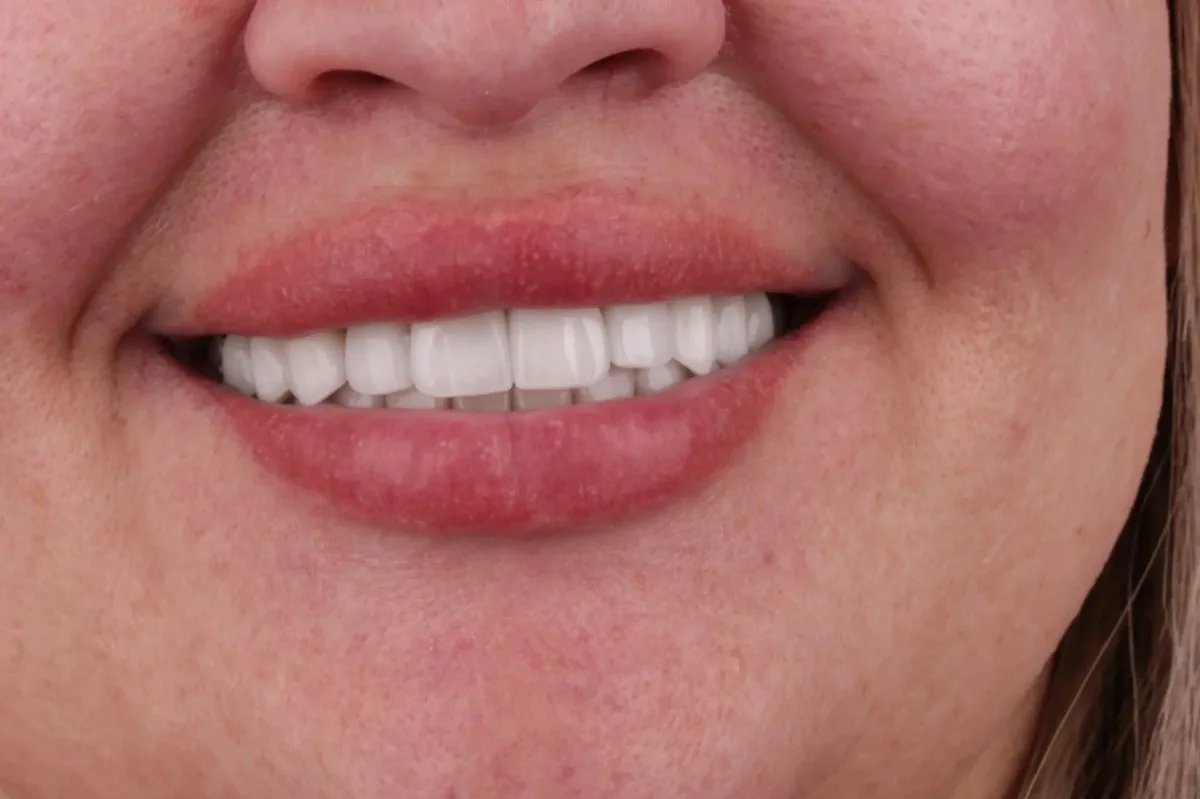
Another compelling case is Catherine's discoloration case, where dental fluorosis left white spots and brown patches that no whitening treatment could remove. Catherine’s veneers provided a uniform color and texture, masking the uneven enamel and restoring a healthy appearance. These real-life examples demonstrate the transformative potential of veneers for patients struggling with stubborn discoloration.
Determining candidacy for veneers in cases of discoloration involves a thorough dental evaluation. Ideal candidates are those with intrinsic stains that have proven resistant to whitening, good oral health, and sufficient enamel to support the bonding of veneers. Patients should also have realistic expectations about the procedure and be committed to maintaining their oral hygiene to prolong the lifespan of their veneers. For a detailed understanding of who qualifies, patients can explore our comprehensive guide on candidacy for veneers with discolored teeth. Conversely, individuals with active decay, gum disease, or insufficient enamel might need to address these issues before considering veneers or explore alternative treatments.
While veneers are a powerful option for severe discoloration, alternatives may be more appropriate in certain situations. Professional whitening treatments can effectively remove extrinsic stains caused by coffee, tea, or tobacco but are generally ineffective against intrinsic discoloration. For patients with isolated discoloration or minor defects, dental bonding may be a conservative alternative. Bonding involves applying a tooth-colored resin to the affected area to mask discoloration and restore appearance. However, bonding is less durable and more prone to staining over time compared to veneers. Understanding these options helps patients make informed decisions tailored to their specific needs.
For those considering veneers, understanding the financial investment is also important. Patients can learn more about the cost of porcelain veneers for discoloration to plan their treatment accordingly. Additionally, exploring what dental veneers are and how porcelain veneers completely mask discoloration provides valuable insight into the procedure’s benefits and outcomes. By reviewing candidacy criteria and cost factors, patients can confidently pursue the best treatment path to achieve a bright, beautiful smile.
Understanding Discoloration
Discoloration of teeth is a widespread concern that affects individuals of all ages and backgrounds, often influencing both appearance and self-esteem. Teeth can lose their natural brightness due to a variety of factors, broadly categorized into extrinsic and intrinsic causes. Extrinsic discoloration results from surface stains caused by lifestyle habits such as smoking, frequent consumption of coffee, tea, red wine, or certain foods that deposit pigments on the enamel. These stains typically respond well to professional dental cleanings and whitening treatments, which can restore a brighter smile with relative ease.
Intrinsic discoloration, however, presents a more complex challenge. This type of staining originates within the tooth structure itself, often due to developmental or systemic factors that affect the enamel or dentin layers. Common intrinsic causes include tetracycline staining from antibiotic use during tooth development, dental fluorosis resulting from excessive fluoride intake in childhood, and trauma that disrupts the tooth’s internal composition. Unlike extrinsic stains, intrinsic discoloration is embedded deep within the tooth and does not respond effectively to conventional whitening procedures, making it a persistent aesthetic concern.
The emotional impact of intrinsic discoloration can be profound. Patients frequently report feeling self-conscious, avoiding social situations or smiling openly due to dissatisfaction with their teeth’s appearance. This can affect personal confidence and quality of life, underscoring the importance of understanding the nature of the discoloration to pursue appropriate treatment. Recognizing whether discoloration is extrinsic or intrinsic is a crucial first step in identifying the most effective cosmetic dental solutions for a radiant, healthy-looking smile.
How Veneers Address Discoloration
For intrinsic discoloration that resists whitening, veneers offer a reliable and aesthetically superior solution. Veneers are ultra-thin shells, typically made from high-quality porcelain, that are custom-designed to fit over the front surfaces of teeth. By covering the discolored enamel, veneers effectively mask deep stains and create a uniform, bright appearance that mimics the natural translucency of healthy teeth. Porcelain veneers are particularly favored because of their durability, stain resistance, and ability to replicate the light-reflecting properties of natural enamel, resulting in a lifelike and long-lasting smile enhancement.
In addition to concealing stubborn discoloration, veneers can simultaneously address other cosmetic concerns such as minor misalignment, chips, or gaps, providing a comprehensive smile makeover in a single treatment. The process involves careful planning and precision bonding to ensure that the veneers blend seamlessly with the surrounding teeth and gumline. Patients can expect a significant improvement in both color and overall dental aesthetics, often achieving a brighter, more youthful smile that boosts confidence.
To gain a deeper understanding of how veneers function and the materials used, it is helpful to explore detailed information about what veneers are and the specific benefits of porcelain veneers for staining. These resources explain the science behind veneers and why they are the preferred choice for treating intrinsic discoloration.
Are You a Candidate?
Determining candidacy for veneers involves a thorough dental evaluation to assess the condition of your teeth and overall oral health. Ideal candidates typically have healthy gums and sufficient enamel to support the bonding process. Veneers are especially suitable for patients with intrinsic stains that cannot be corrected by whitening, as well as those seeking to improve minor cosmetic imperfections alongside discoloration. However, veneers may not be appropriate for individuals with significant tooth decay, severe bite issues, or habits such as teeth grinding that could compromise the longevity of the veneers.
In cases where veneers are not the best option, alternative treatments may be recommended. These can include professional whitening for extrinsic stains, dental bonding for minor discoloration, or orthodontic solutions for alignment problems. Consulting with a skilled cosmetic dentist will help clarify the best approach based on your unique dental needs and aesthetic goals. More information about candidacy can be found in the comprehensive guide to veneer candidacy, which outlines the factors that influence treatment suitability.
What to Expect: Cost and Process
The cost of porcelain veneers for discoloration varies depending on factors such as the number of teeth treated, the complexity of the case, and the geographic location of the dental practice. On average, porcelain veneers can range from $1,000 to $2,500 per tooth. This investment typically includes the initial consultation, custom fabrication of the veneers, and the bonding procedure. While veneers represent a higher upfront cost compared to whitening, their durability and transformative results often make them a cost-effective long-term solution for intrinsic discoloration.
The treatment process usually begins with a consultation where your dentist evaluates your teeth, discusses your goals, and may take digital impressions or photographs. Following this, the veneers are custom-made in a dental laboratory, a process that can take one to two weeks. During the placement appointment, the dentist prepares the teeth by removing a minimal amount of enamel to ensure a perfect fit, then bonds the veneers securely using dental adhesive. Patients can expect a relatively quick turnaround from consultation to final placement, with minimal discomfort and immediate aesthetic improvement. For a detailed overview of costs, exploring the page on porcelain veneer cost provides valuable insights into pricing and what is included.
Real Patient Results
Many patients have successfully transformed their smiles and overcome intrinsic discoloration through veneers, as documented in detailed case studies. For example, Danielle’s case highlights how porcelain veneers effectively concealed severe tetracycline staining, restoring a bright and natural-looking smile that significantly boosted her confidence. Similarly, Catherine’s experience demonstrates the power of veneers in masking dental fluorosis, a condition characterized by mottled enamel that whitening treatments could not improve.
Other cases, such as those of Jason and Mary, showcase how veneers can address discoloration resulting from trauma or other intrinsic factors, delivering consistent, aesthetically pleasing outcomes. These real-world examples provide valuable insights into the transformative potential of veneers and the personalized approach taken by cosmetic dentists to meet each patient’s unique needs. Exploring these patient stories offers inspiration and reassurance for anyone considering veneers as a solution for stubborn discoloration.
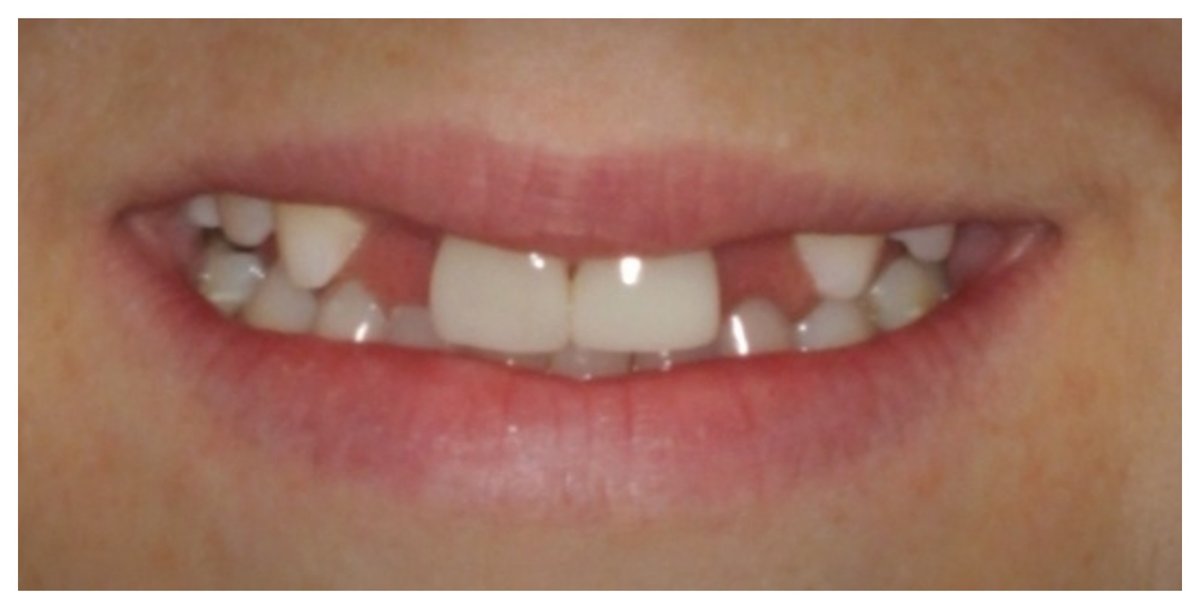 Before
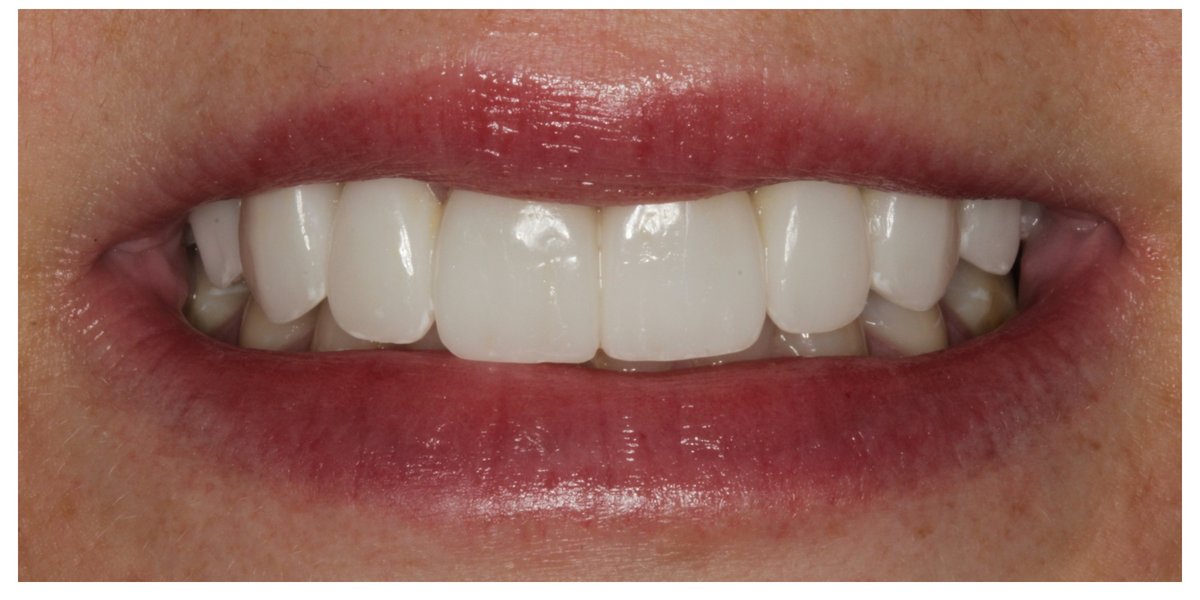 After
After
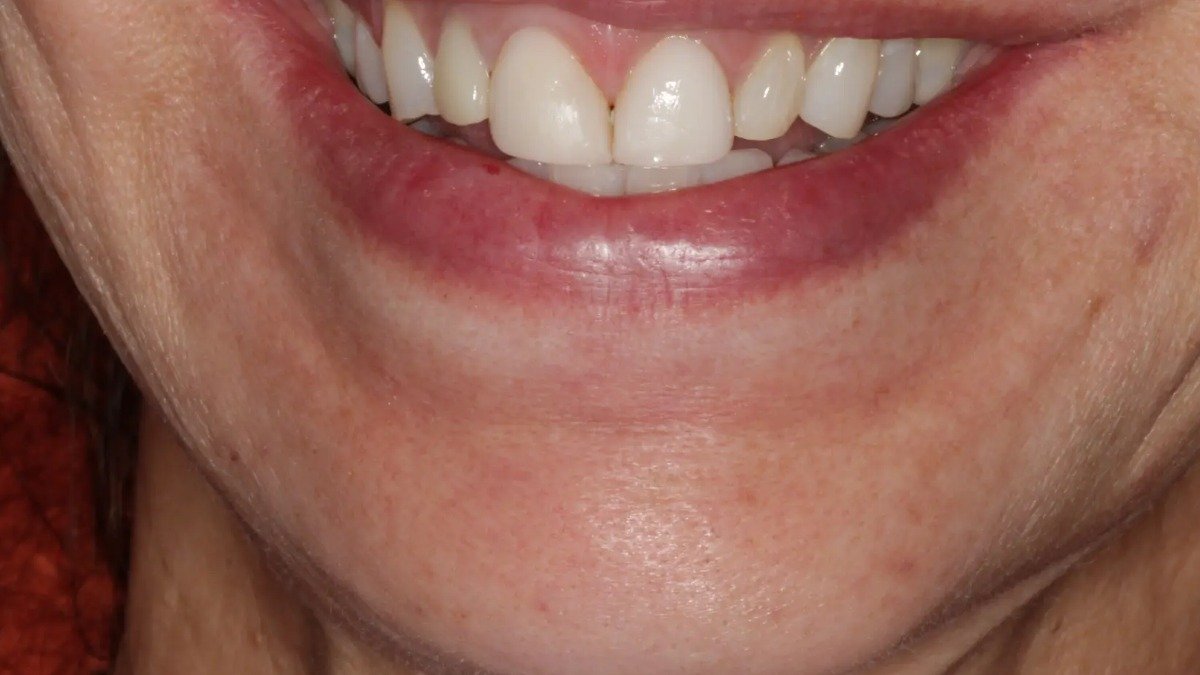 Before
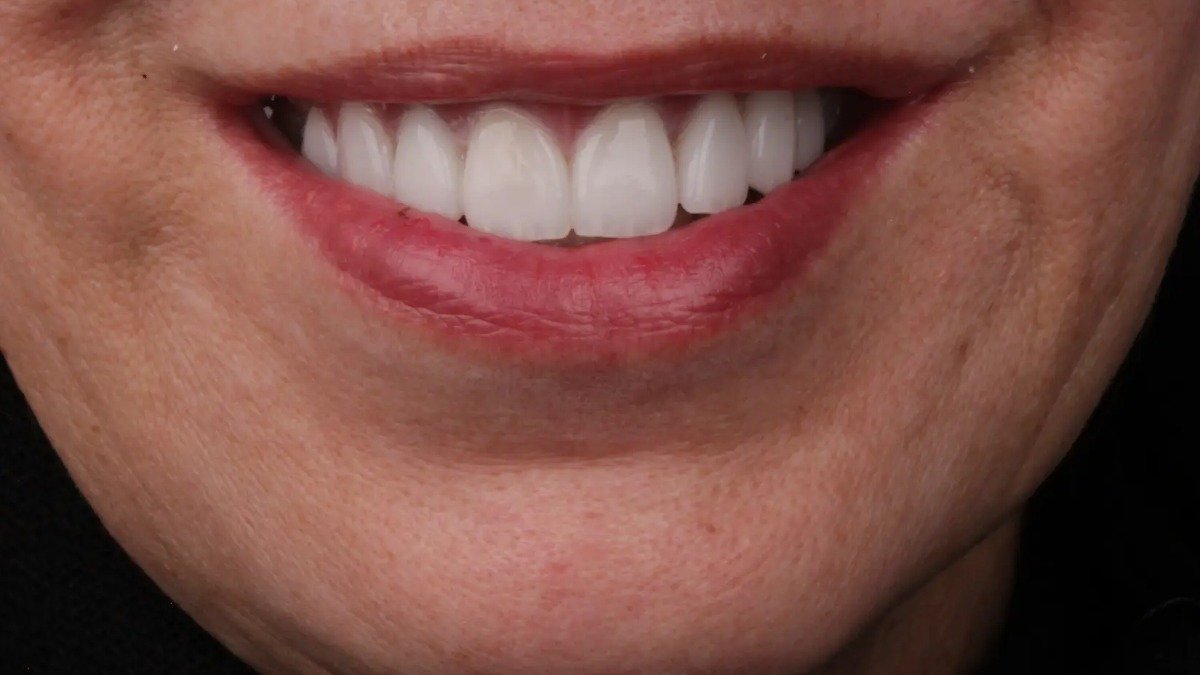 After
After
 Before
 After
After
 Before
 After
After