Deciding to get veneers is a significant step, but what is important to understand is that the final result is a destination patient and dentist arrive at together. It's not just about placing porcelain; it's a meticulous process of engineering a smile that is in harmony with your bite and facial features. This guide explores the reality of veneer results from the clinical perspective — from their incredible longevity when the foundation is right, to the natural-looking outcomes achieved through a collaborative design process, and the simple maintenance that protects your investment for a lifetime.
Ready to See Your New Smile?
Get a personalized cost estimate and understand your path to a beautiful, natural-looking result. Takes 60 seconds, no commitment required.
See What Results Are Possible for My Case →What Do Natural-Looking Veneer Results Truly Look Like?
In a quality cosmetic practice, the hallmark of exceptional cosmetic dentistry is a result that looks so natural, no one knows it's been done. The goal is never a "Hollywood" smile that looks artificial. It's about enhancing your unique beauty with a smile that is both brilliant and completely believable. This dedication to natural-looking results is achieved by focusing on what are considered the non-negotiables of smile design:
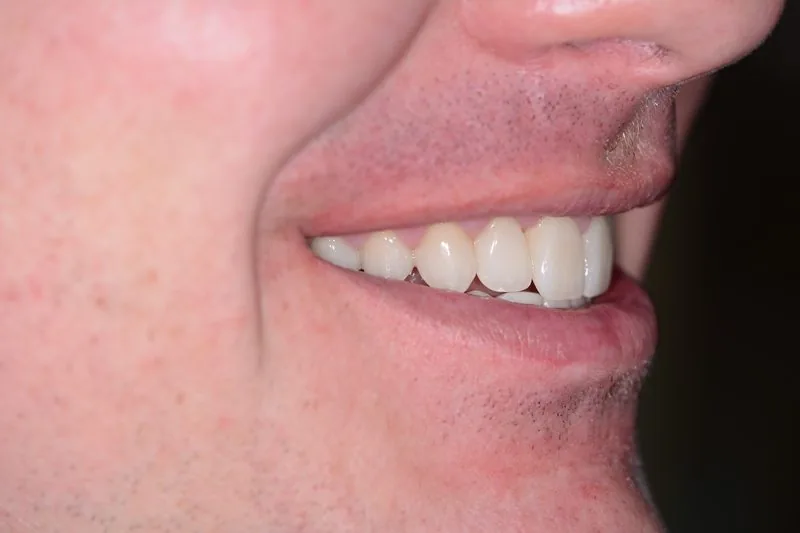
- Face-Focused Smile Design: Great cosmetic dentistry doesn't just look at teeth — it assesses how your smile complements your entire face. The shade of porcelain is chosen to harmonize with your skin tone and the whites of your eyes, ensuring the veneers look like they belong to you.
- Lifelike Translucency and Texture: Natural teeth have a specific way of interacting with light. Master lab technicians are experts at recreating the subtle translucency and surface texture of tooth enamel. This is what gives veneers their vibrant, lifelike appearance.
- A Uniquely Proportioned Smile: Your veneers are designed for you, and you alone. A "one-size-fits-all" look is avoided by designing a smile that is in proportion to your facial features and mouth. You can see examples of this personalized approach in the before and after gallery.
The Temp Phase: Where Your a well-designed smile Is Designed
Achieving your ideal smile is a collaborative process, and the most critical stage is the "temp phase." Your temporary veneers are not just placeholders; they are a cosmetically beautiful preview of the final result. This allows you to "test drive" your new smile and provide feedback. All the problem-solving happens in the temps. Shape, length, and even how your bite feels can be adjusted. This ensures that when the final porcelain veneers are ready, they are dialed in from day one, and you are completely confident in the outcome. Learn more about temporary veneers.
Veneer Longevity: How Long Do Veneers Really Last?
Many websites give a generic 10–15 year answer, but that doesn't tell the whole story. The lifespan of veneers is all about the bite. When the bite is properly addressed before and during the veneer process, their longevity is remarkable. Here's what the science and clinical observation show:
In cosmetic dentistry practice, the leading cause of premature veneer failure is debonding due to inadequate enamel preservation during tooth preparation. Studies and clinical experience show that veneers bonded to enamel rather than dentin have significantly higher survival rates, often exceeding 15 years. Failures typically present within the first 2 to 5 years post-placement when bonding occurs primarily to dentin, which is more prone to microleakage and bond degradation. This underscores the importance of conservative preparation techniques that maintain enamel integrity. For patients, this means selecting a skilled clinician who prioritizes enamel preservation can greatly enhance the longevity of their veneers and reduce the likelihood of early replacement.
- The Power of a Healthy Bite: If bite forces are not balanced, you're putting stress on the porcelain. That's why experienced practitioners always start with the foundation — your bite. Equilibrating, or balancing, the bite ensures there are no excessive forces on your new veneers. This is the single most important factor in their longevity.
- The Non-Negotiable Night Guard: A night guard is not optional for veneer patients. It's the insurance policy for your smile. It protects the porcelain from the immense forces of nighttime grinding (bruxism), which many people don't even know they do.
- Material and Lab Quality: Top cosmetic dentists use high-quality materials like E.max porcelain, which is incredibly strong. Studies on this material for crowns show lifespans of 50 years. Partnering with a top-tier dental lab that requires extensive records — photos, models, and detailed instructions — is essential for creating restorations that are both beautiful and durable.
A Clinician's View on Veneer Materials
| Material | Best For | Lifespan & Durability | Aesthetic Considerations |
|---|---|---|---|
| Porcelain | Complex cases, 10+ units, full reconstructions, bite changes | Extremely durable; can last decades with proper bite and care | Most natural, high stain resistance, color is stable |
| Composite | Younger patients, color changes, minor shape adjustments (fewer than 10 units) | Shorter lifespan (5–7 years), can be repaired but may chip more easily | Good, but can dull or stain over time |
The choice between porcelain and composite is a clinical decision made together based on your specific needs, not a budget one. For younger patients, a composite-first strategy is often recommended — achieving a beautiful result with composite, then transitioning to porcelain later in life. This approach minimizes the number of times restorations may need to be replaced over a lifetime. Learn more about how long veneers last.
Veneer Maintenance: Protecting Your Investment
Caring for veneers is just like caring for natural teeth, with one crucial addition. The maintenance requirements are simple:
- Regular Brushing and Flossing: Brush twice a day with a non-abrasive fluoride toothpaste and floss daily to maintain healthy gums and clean the margins of your veneers.
- Routine Dental Checkups: Visiting your dentist every six months is critical. They will professionally clean and polish your veneers and, most importantly, check your bite to ensure everything is still in harmony.
- Wear Your Night Guard: Wearing your custom night guard every night is the most important thing you can do to ensure the longevity of your veneers. It protects them from damaging grinding forces.
A major benefit of porcelain is its incredible stain resistance. It's non-porous, so it won't pick up stains from coffee, tea, or red wine like natural enamel can. This helps your smile stay bright for years. For more detailed tips, read the guide on veneer maintenance.
Foods and Habits to Be Mindful Of
While porcelain is strong, it's not indestructible. To maximize your veneer lifespan, be mindful of certain habits:
- Hard Foods: Avoid biting directly into things like hard candy, bones, or shelled nuts.
- Using Teeth as Tools: Don't use your veneers to open packages, bite your nails, or chew on pens.
- Tobacco Products: While the porcelain won't stain, smoking can discolor the bonding agent and your natural teeth, creating a noticeable color mismatch over time.
Are Veneers Worth It? A Candid Discussion
From a clinical perspective, almost everyone is a candidate for veneers. The real question isn't if you can get them, but what your unique path to your ideal smile looks like. The high patient satisfaction observed comes from a predictable process that delivers significant results. But it's important to have realistic expectations. The "worth" of veneers is directly tied to the quality of the process. For example, in Joanne's full-mouth rehabilitation, significantly opening her bite was a complex process that made all the difference in the final, stable result.
Benefits from a Clinician's Perspective
- A smile's appearance can be dramatically improved in a relatively short time.
- Multiple issues can be corrected at once — stains, chips, gaps, and minor misalignment.
- When the bite is managed, it's a durable and long-lasting solution.
- The material is highly stain-resistant and biocompatible.
- The procedure is more conservative than full crowns.
Potential Downsides to Consider
- The process is irreversible because a small amount of enamel is prepared.
- Veneers can be damaged by trauma or parafunctional habits (like grinding without a night guard).
- The cost is a significant investment, which is why cases are categorized into three main tiers: 10 veneers, 10-over-10, or a full reconstruction, so patients have a clear understanding of the scope.
Explore the detailed analysis to help you decide if veneers are worth it for you.
How to Choose the Right Cosmetic Dentist: Red Flags to Watch For
Achieving beautiful, natural-looking results that last depends almost entirely on the skill, artistry, and process of your cosmetic dentist. This is the most important decision you will make. Here are the green lights to look for and the red flags to avoid:
- A Thorough Records Appointment: A comprehensive consultation should last 1–1.5 hours. It must include a full series of photos, X-rays, and a detailed exam of your bite and jaw function. Without these records, a dentist is flying blind.
- A Discussion About Your Bite: The dentist should talk to you about your occlusion (your bite) and how it will be managed to ensure the longevity of your restorations. If they don't mention the bite, that's a major red flag.
- A Smile Try-In: You should be offered a "smile try-in," which is a mock-up of your new smile. This allows you to see the proposed changes in your own mouth before any treatment begins.
- A Partnership with a Quality Lab: Ask your dentist which lab they use. A great cosmetic dentist partners with a high-end lab and sends them detailed records. A dentist who doesn't take thorough records is not working with a quality lab.
The platform can help find a qualified cosmetic dentist in the area. The guide on how to choose a cosmetic dentist offers more tips.