Understanding Worn Teeth: Causes, Veneer Solutions, and Real Patient Results
Worn teeth, characterized by shortened, flattened, or eroded tooth surfaces, are a common dental problem that affects many adults. Over time, teeth naturally wear down due to daily use, but excessive wear can lead to sensitivity, aesthetic concerns, and functional issues such as difficulty chewing. This condition often results from habits like teeth grinding (bruxism), acid erosion from dietary choices or acid reflux, and the natural aging process. Recognizing worn teeth early is important to prevent further damage and restore both the appearance and function of your smile.
The causes of worn teeth are multifactorial and can vary from patient to patient. Bruxism, or habitual grinding and clenching of the teeth, exerts excessive pressure on the enamel, causing it to wear away faster than normal. Acid erosion is another significant factor, where acids from foods, beverages, or stomach reflux soften and dissolve the enamel, leading to thinning and translucency of the teeth. Additionally, natural aging contributes to gradual enamel loss, as the protective outer layer becomes thinner over decades of use. Understanding these causes helps in tailoring treatment plans that address both the symptoms and underlying factors.
Dental veneers offer a highly effective solution specifically designed to address the challenges posed by worn teeth. Veneers are thin, custom-crafted shells made from durable porcelain that are bonded to the front surfaces of teeth. They restore the natural length, shape, and color of worn teeth, providing an immediate improvement in aesthetics. Beyond appearance, veneers also protect the remaining tooth structure from further wear and sensitivity. For patients interested in learning more about what dental veneers are and how they work, exploring the detailed explanations can clarify how this treatment can rejuvenate a worn smile.
Real patient cases illustrate the transformative impact veneers can have on worn teeth. For example, Henderson's full-mouth reconstruction showcases a patient whose molars and front teeth were severely flattened, reduced to half their original height. Through a comprehensive veneer treatment plan, Henderson regained not only the function but also the aesthetics of his smile, highlighting how veneers can address extensive wear effectively. Similarly, Nikki's worn smile restoration involved treating years of acid erosion that left her teeth thin, translucent, and sensitive. Veneers provided a durable and beautiful solution, restoring her confidence and comfort.
Another compelling example is Steve's bite rebuild, where chronic grinding had collapsed his bite and caused jaw pain alongside cosmetic concerns. Veneers, combined with bite adjustment strategies, helped rebuild his bite height and alleviate discomfort. Additionally, Brandon's worn teeth makeover demonstrates how addressing worn incisors with veneers can improve self-esteem and the appearance of one’s smile, especially in social situations like photographs.
Determining candidacy for veneers is an important step in the treatment process. Ideal candidates typically have worn teeth with sufficient enamel remaining to support the bonding of veneers and no active decay or gum disease. Patients whose wear is primarily cosmetic or mild to moderate in severity often benefit most from veneers. However, for those with severe structural damage, compromised enamel, or underlying bite issues, alternative treatments may be more appropriate. To understand whether you are a good candidate for veneers, it is advisable to consult with a dental professional who can evaluate your specific situation and recommend the best course of action.
In cases where worn teeth result from complex bite problems or extensive damage, alternatives such as dental crowns, onlays, or orthodontic treatment may be necessary. Crowns provide full coverage and strength to heavily damaged teeth, while onlays preserve more natural tooth structure than crowns but still offer significant protection. Orthodontic treatment can correct bite alignment issues that contribute to wear, addressing the root cause rather than just the symptoms. These alternatives may be recommended when the wear is too advanced for veneers alone or when functional correction is a priority.
For those considering treatment for worn teeth, exploring resources on whether you are a good candidate for veneers and what the veneer procedure involves can provide valuable insight into the process. Additionally, understanding how much veneers cost and reviewing full-mouth veneer pricing can help patients plan their treatment financially. With the right information and professional guidance, worn teeth can be effectively restored to create a healthier, more attractive smile.
Understanding Worn Teeth
Worn teeth represent a significant dental concern that affects many adults worldwide, often developing gradually over years or even decades. This condition arises from the progressive loss of enamel and dentin due to mechanical and chemical factors that compromise the tooth’s natural structure. The most prevalent causes of tooth wear include bruxism, acid erosion, and age-related wear, each contributing uniquely to enamel degradation and tooth sensitivity. Bruxism, characterized by the habitual grinding or clenching of teeth, exerts excessive force that chips away enamel and flattens tooth surfaces. Acid erosion results from frequent exposure to dietary acids found in citrus fruits, sodas, and certain medications, as well as from intrinsic sources like acid reflux, which introduces stomach acid into the mouth. Over time, these acids soften and dissolve enamel, making teeth more vulnerable to wear and decay. Naturally, as we age, enamel thins and the cumulative effects of daily chewing and environmental factors contribute to gradual tooth wear.
The progression of enamel loss is often insidious, starting with subtle changes such as increased tooth sensitivity or minor surface roughness, which patients may overlook until more noticeable damage occurs. As enamel wears away, the underlying dentin becomes exposed, leading to heightened sensitivity to temperature and sweet or acidic foods. This exposure also increases the risk of cavities and structural weakening, potentially resulting in cracked or chipped teeth. Additionally, worn teeth can alter bite alignment, causing discomfort in the temporomandibular joint (TMJ) and muscle fatigue. These functional problems can interfere with everyday activities like chewing and speaking, diminishing overall oral health and comfort.
Beyond the physical consequences, the emotional and psychological impact of worn teeth is profound. Many patients report feeling self-conscious about their smile due to shortened, flattened, or uneven teeth that no longer reflect their youthful appearance. This can lead to a reluctance to smile or engage socially, affecting confidence and quality of life. Understanding the multifaceted nature of worn teeth is essential for patients and dentists alike to develop effective, personalized treatment plans that restore both function and aesthetics.
How Veneers Address Worn Teeth
Porcelain veneers have emerged as a highly effective and conservative solution for patients with worn teeth, offering both restorative and cosmetic benefits. These ultra-thin shells are custom-designed to fit over the front surfaces of teeth, allowing dentists to rebuild lost height, restore natural contours, and improve overall smile aesthetics. Because veneers require minimal tooth reduction compared to traditional crowns, they preserve more of the healthy enamel, which is critical for long-term tooth vitality and bonding strength. The durable porcelain material mimics the translucency and texture of natural enamel, providing a lifelike appearance that enhances patient confidence.
Clinically, veneers serve a dual purpose when addressing worn teeth. First, they restore the functional aspects by reestablishing proper bite relationships and protecting the exposed dentin from further wear and sensitivity. Second, they act as a protective barrier against ongoing damage, particularly when the underlying causes such as bruxism or acid erosion are managed concurrently. For instance, patients with bruxism may benefit from wearing a custom night guard in conjunction with veneers to minimize grinding forces. Similarly, dietary counseling and medical treatment for acid reflux can help reduce acid exposure, prolonging the lifespan of the veneers and remaining tooth structure. When placed by an experienced dentist, porcelain veneers can provide durable, natural-looking results that significantly improve both oral function and appearance.
For those interested in understanding the specifics of the treatment, the veneer procedure overview offers a comprehensive guide to the steps involved, from initial consultation to final placement. Additionally, exploring the different materials available, such as porcelain veneers, can help patients make informed decisions about their restorative options.
Are You a Candidate?
Determining candidacy for veneers in cases of worn teeth involves a thorough dental examination and evaluation of the patient’s oral health, bite function, and aesthetic goals. Ideal candidates typically have sufficient enamel remaining to support the bonding of veneers and do not exhibit active decay or severe gum disease. Patients with moderate to severe tooth wear caused by bruxism or acid erosion may still be candidates if the underlying causes are addressed and managed appropriately. However, in cases where tooth wear has resulted in extensive structural damage or insufficient enamel, alternative treatments such as crowns or full-mouth reconstruction might be more suitable. It is important to recognize that veneers are primarily a cosmetic and protective solution rather than a cure for the habits or conditions causing wear.
Patients with uncontrolled bruxism, severe bite misalignment, or poor oral hygiene may not be ideal candidates for veneers until these issues are stabilized. Additionally, those with unrealistic expectations or unwillingness to commit to necessary lifestyle changes may find veneers less successful in the long term. For anyone considering veneers, reviewing a detailed veneer candidacy guide can provide valuable insights into whether this treatment aligns with their needs and circumstances. Dentists will also discuss alternative restorative options and preventive strategies to ensure the best possible outcomes.
What to Expect: Cost and Process
The cost of porcelain veneers for worn teeth varies depending on the number of teeth treated, the complexity of the case, and the geographic location of the dental practice. On average, porcelain veneers can range from $1,000 to $2,500 per tooth, reflecting the high-quality materials and skilled craftsmanship involved. This price typically includes the initial consultation, tooth preparation, custom fabrication of veneers in a dental laboratory, and final bonding appointments. Some cases involving extensive wear may require additional procedures such as bite adjustments, gum contouring, or the use of protective night guards, which can influence the overall cost. Patients interested in a detailed breakdown can consult the porcelain veneer cost guide for more information.
The treatment process generally begins with a comprehensive dental exam and smile assessment, during which the dentist evaluates tooth wear patterns and discusses aesthetic goals. Impressions or digital scans are then taken to design veneers that harmonize with the patient’s facial features and bite. After minimal enamel preparation, temporary veneers may be placed while the permanent ones are fabricated. Final placement involves precise bonding and adjustments to ensure comfort and natural appearance. The entire process typically spans two to four weeks, depending on the dental laboratory’s turnaround time and the complexity of the case. Patients can expect a transformation that not only restores tooth function but also revitalizes their smile.
Real Patient Results
Many patients with worn teeth have experienced remarkable improvements through porcelain veneers, as documented in various case studies. For example, Henderson’s full-mouth reconstruction showcases how comprehensive veneer treatment can restore both function and aesthetics in cases of severe wear. Henderson’s case highlights the importance of addressing bite alignment and enamel loss simultaneously to achieve lasting results. Similarly, Brandon’s worn incisors were successfully treated with veneers that rebuilt tooth height and improved smile harmony, demonstrating the versatility of veneers in managing localized wear.
Other patients, such as Nikki and Steve, have benefited from tailored veneer treatments that address their unique wear patterns and lifestyle factors. These cases emphasize the necessity of individualized treatment planning and the integration of preventive measures like night guards or dietary counseling. Together, these patient stories provide real-world evidence of how veneers can transform worn teeth, restoring confidence and oral health. Prospective patients are encouraged to explore these examples to better understand the potential outcomes and to discuss personalized options with their dental professional.
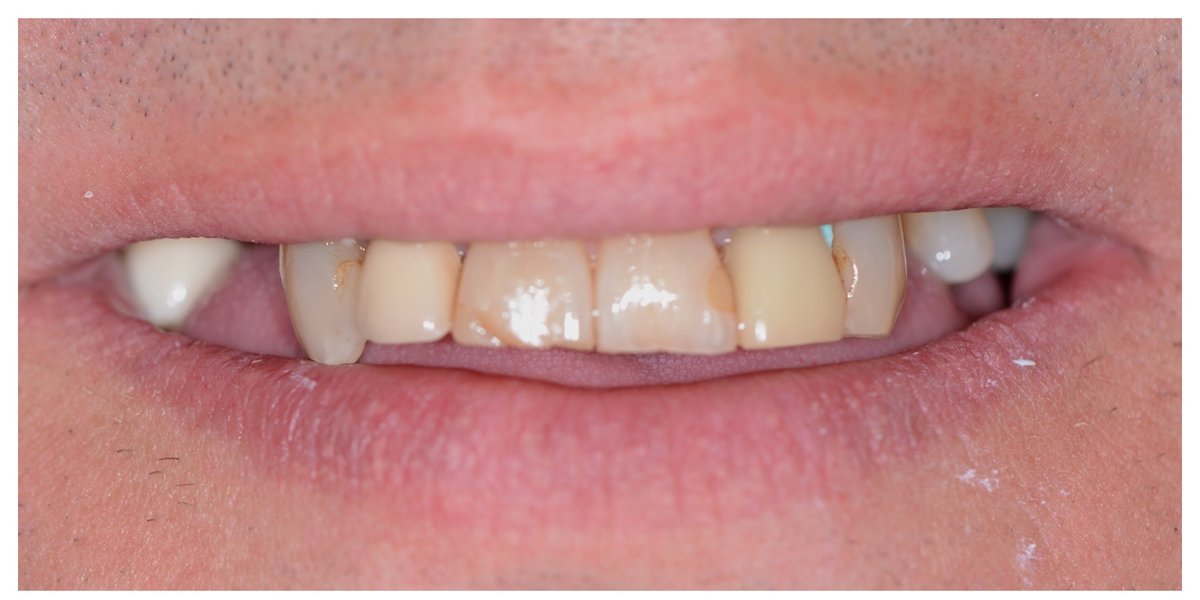 Before
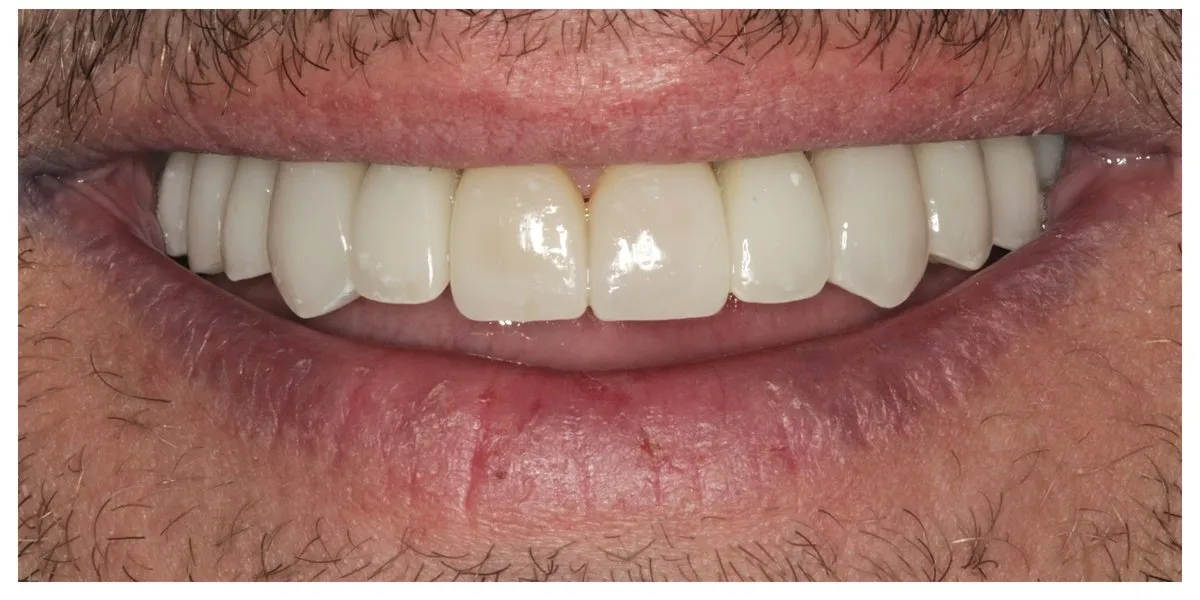 After
After
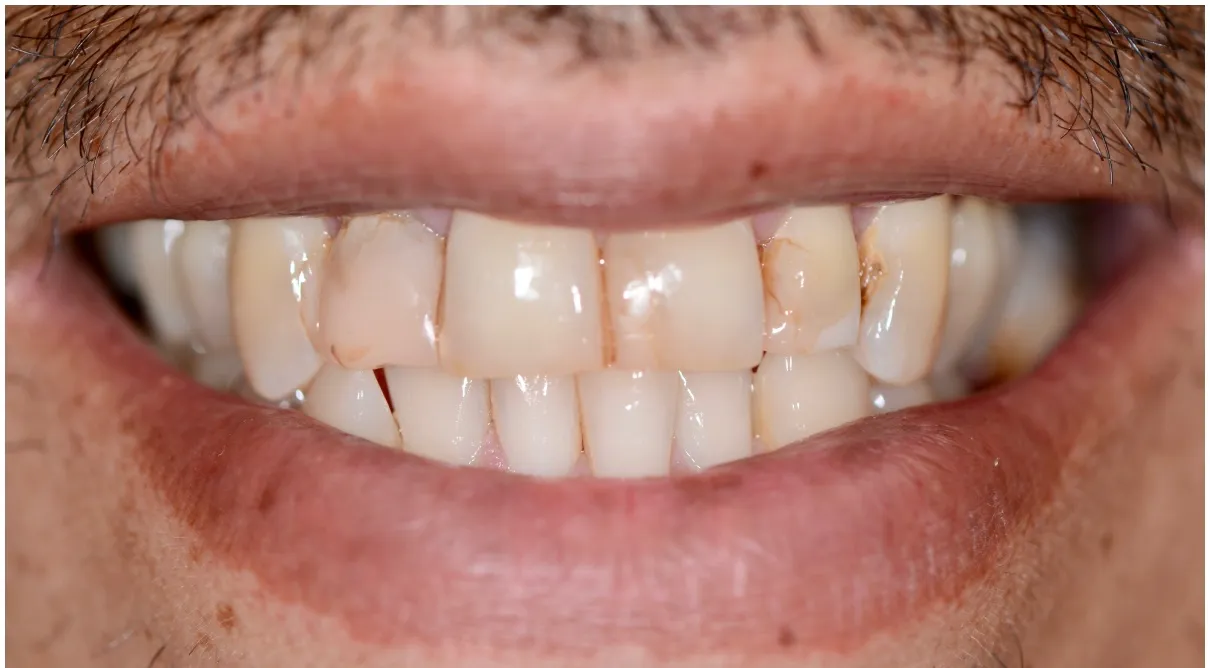 Before
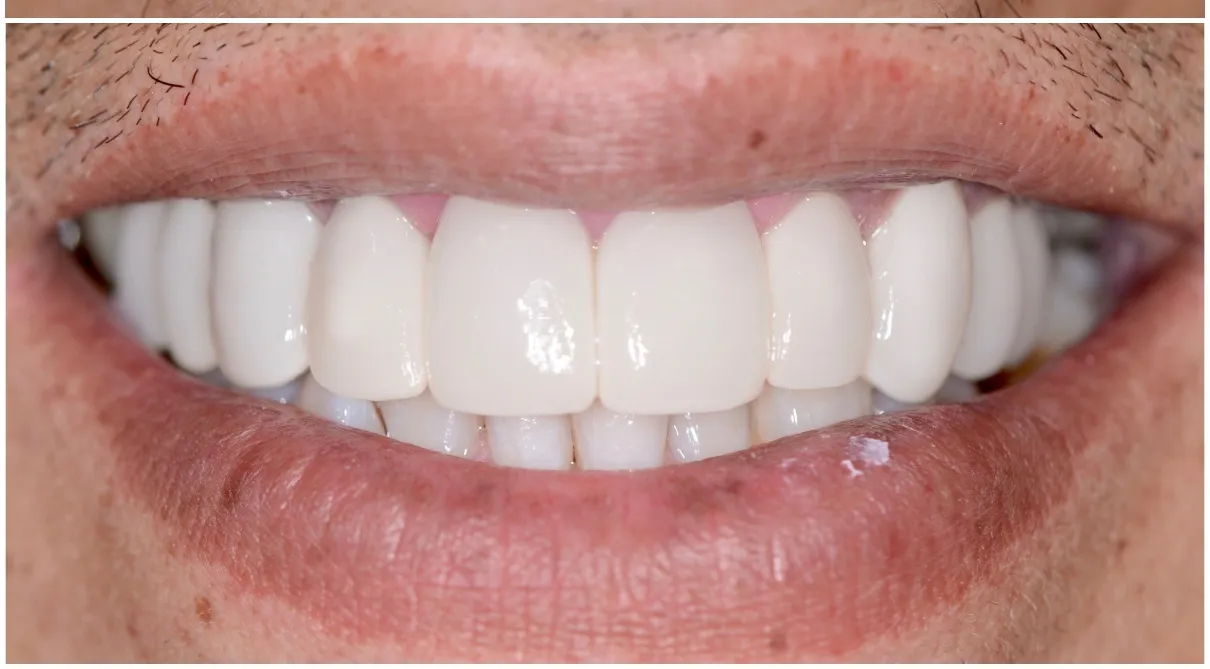 After
After
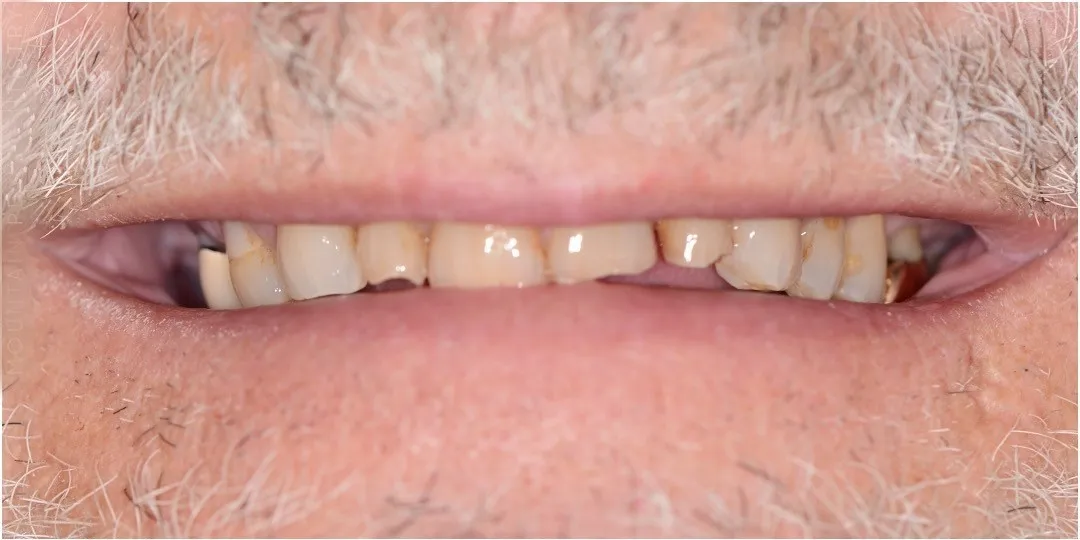 Before
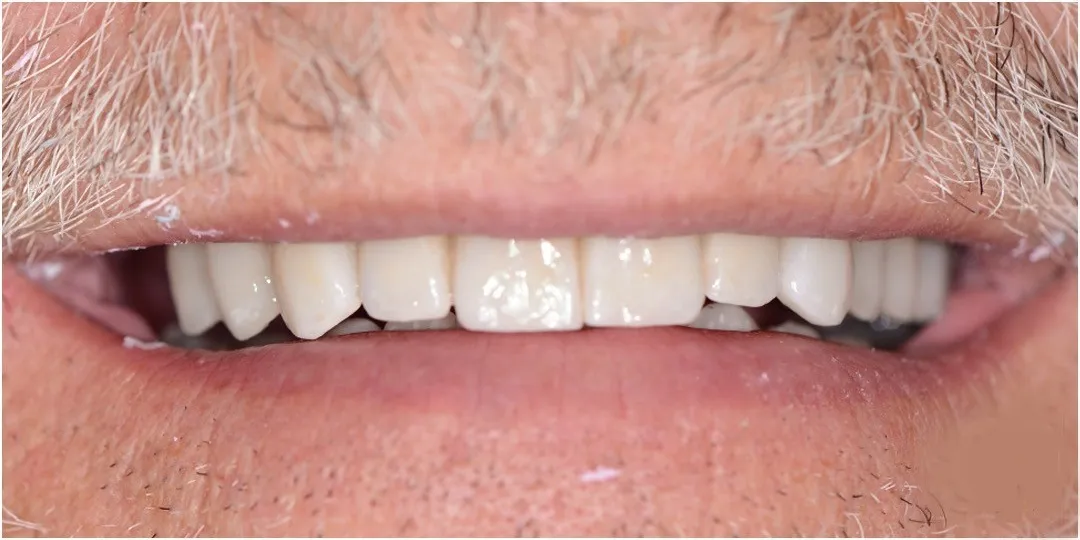 After
After
 Before
 After
After