Clinically Reviewed by Brennan Bonati, DDS

Veneers for Worn Teeth

Restoring teeth worn down by grinding, acid erosion, or age with porcelain veneers.

Veneers for Worn Teeth

Understanding veneers for worn teeth is an important part of your veneer research. This guide covers what you need to know, based on current clinical evidence and real patient outcomes. For a real-world example, explore Henderson's full-mouth reconstruction.

Real Patient Result

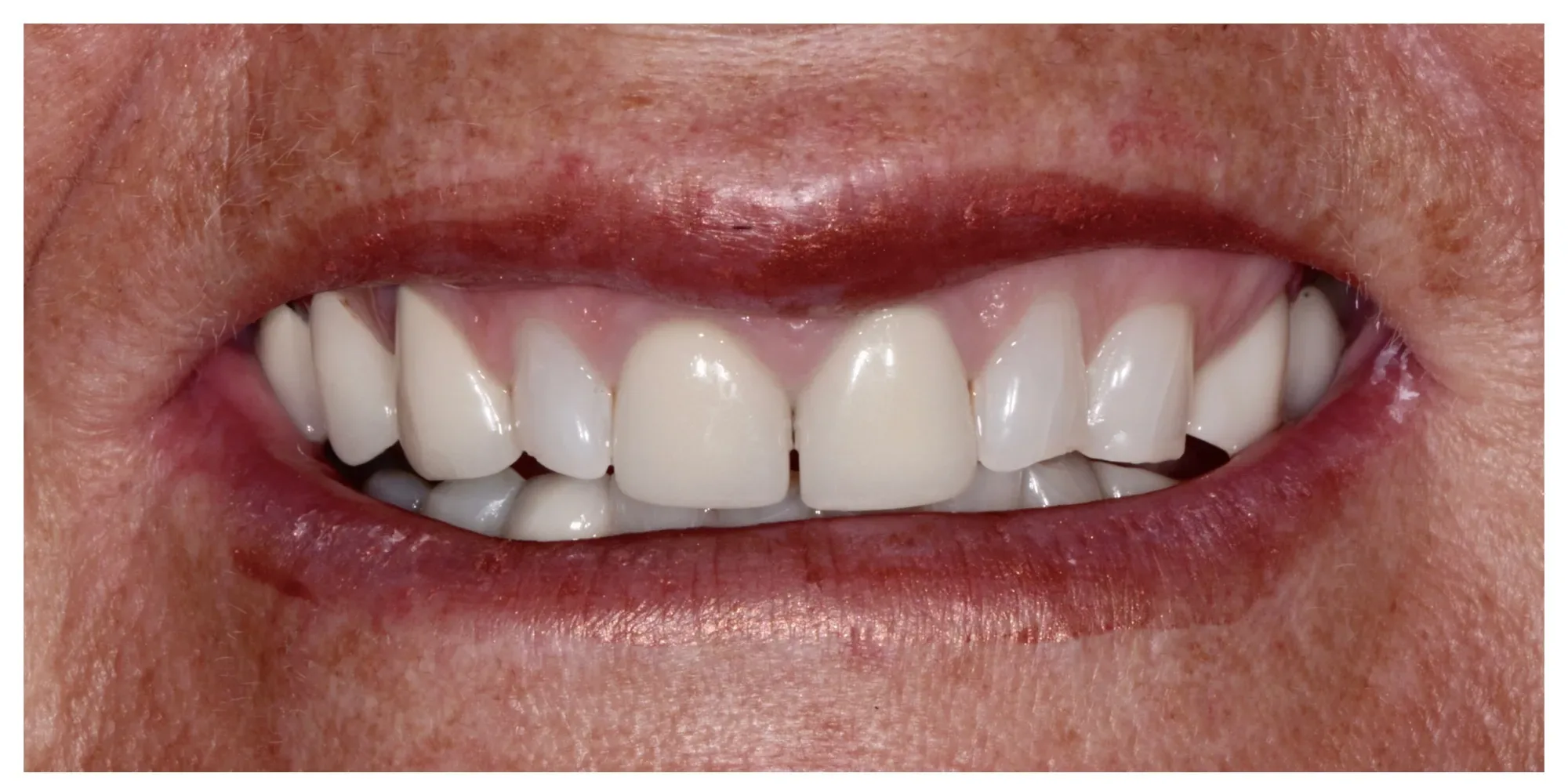
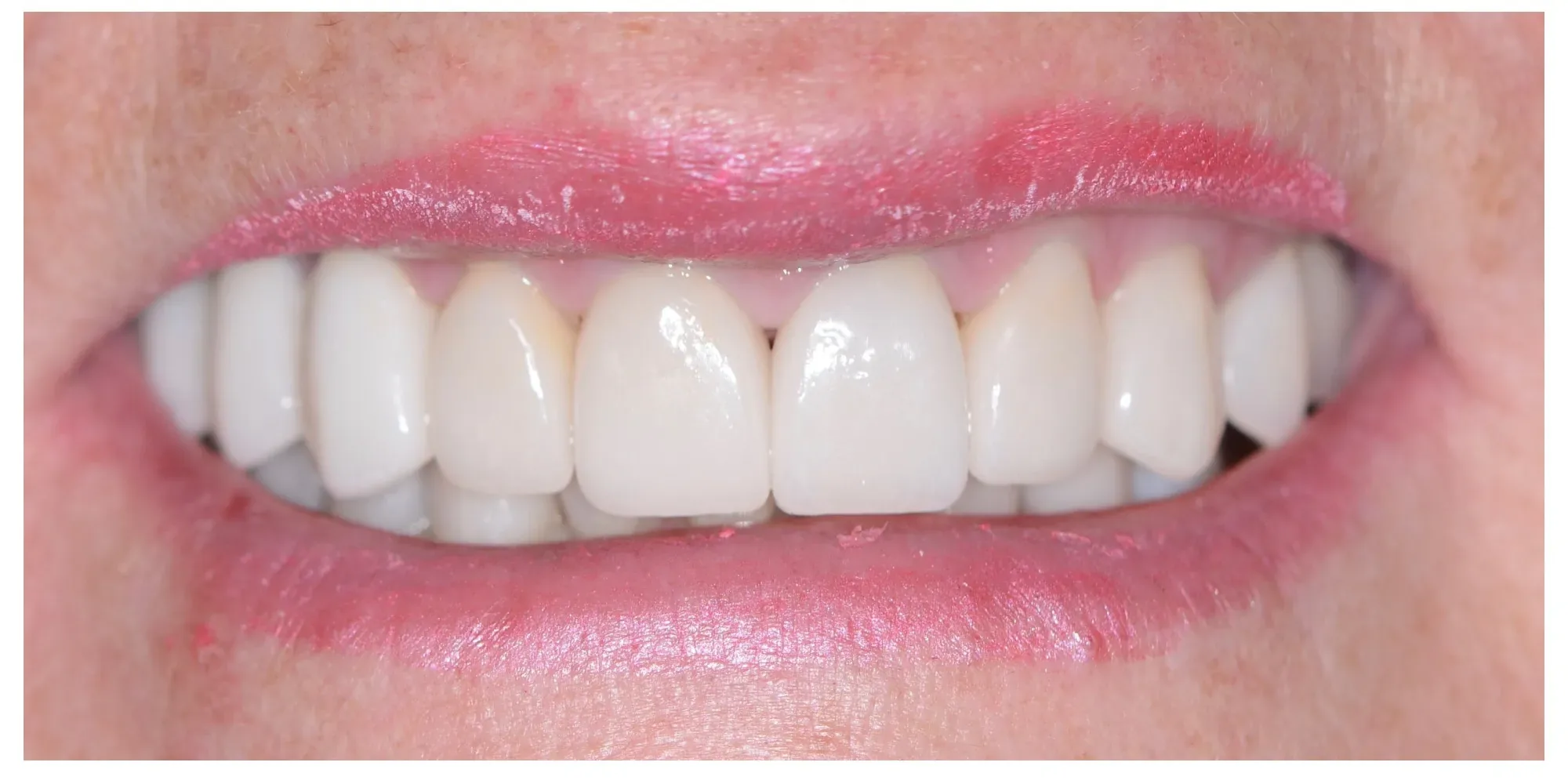
Joanne — Severe Wear from Bruxism

Before veneers — Joanne — Severe Wear from Bruxism Before
After veneers — Joanne — Severe Wear from Bruxism After

Teeth worn to near-pulp exposure. Full-arch rehabilitation with bite correction.

Read the full case →

Many patients considering veneers have questions about veneers for worn teeth, including the cost of veneers. The information below is clinically reviewed by Brennan Bonati, DDS, and reflects current best practices in cosmetic dentistry.

What You Should Know

Most patients's situation is unique. The guidance provided here is general in nature and should not replace a consultation with a qualified cosmetic dentist who can evaluate your specific case and help you find the best veneers near you. Factors like your bite, the condition of your existing teeth, and your overall oral health all play a role in determining the best treatment approach.

Next Steps

If readiness to explore whether veneers are the right choice is established, the free veneers cost estimator can provide a personalized cost range in under two minutes. The provider directory can also be browsed to find vetted cosmetic dentists in the area, along with before and after veneers photos to view real results.

Important Limitations to Consider

Veneers are not a universal solution. They require sufficient enamel for bonding, a stable bite, and healthy gum tissue. Patients with active periodontal disease, severe bruxism, or significant misalignment may need to address those conditions first — or may be better served by orthodontics, crowns, or other restorations. The information on this page is educational and does not substitute for a clinical evaluation by a licensed dentist.

While veneers can effectively restore the appearance of worn teeth, they are not always the ideal solution, particularly in cases of severe enamel loss or significant structural damage. Patients with bruxism or other parafunctional habits may experience accelerated veneer wear or failure if these underlying issues are not addressed prior to treatment. Additionally, insufficient remaining tooth structure can compromise veneer adhesion and longevity, necessitating alternative restorative options such as crowns or onlays. Careful evaluation of occlusion, tooth vitality, and periodontal health is essential to determine candidacy and optimize clinical outcomes. Ultimately, a multidisciplinary approach may be required to manage complex cases involving extensive wear.

Full mouth restoration with porcelain veneers after bruxism treatment
After full-mouth rehabilitation: length, shape, and function restored with E.max porcelain veneers and a bite correction protocol.
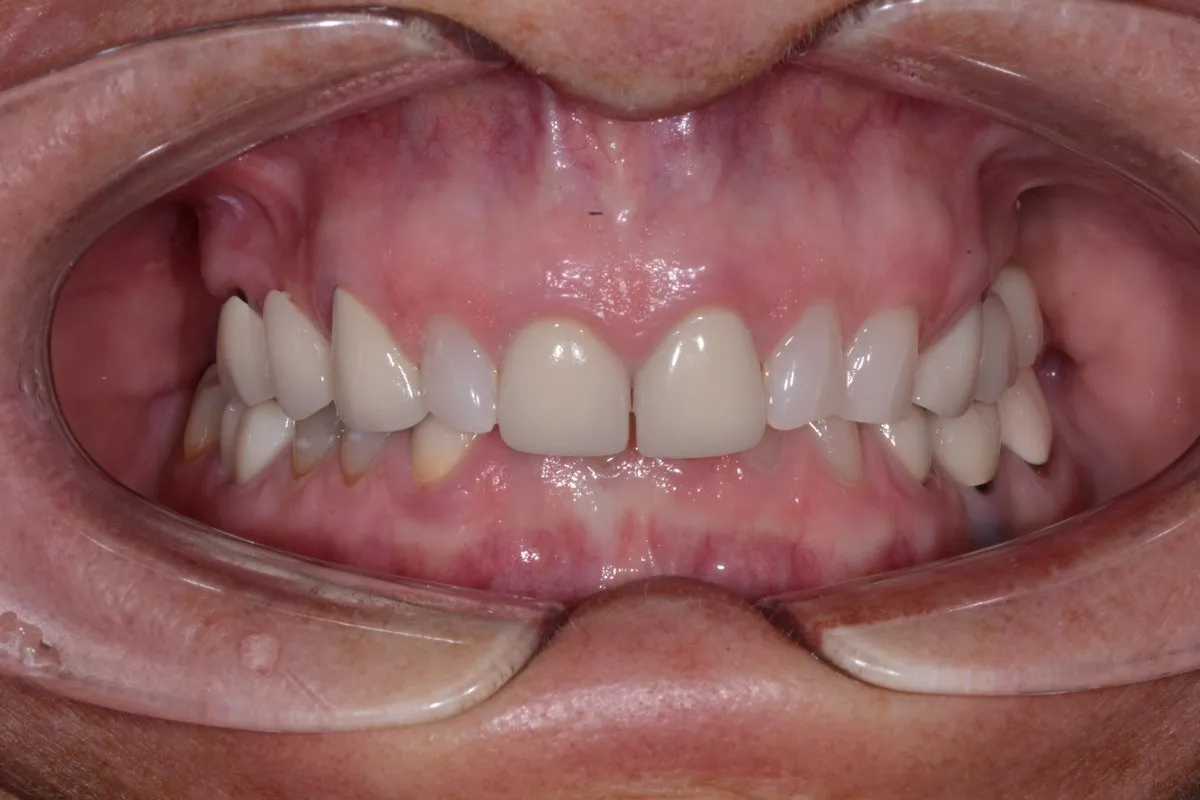
Severely worn teeth from bruxism before porcelain veneer restoration
Severe attrition from bruxism: the enamel has been ground down to the point where the teeth appear short, flat, and yellowed.

Why Addressing Grinding Is Non-Negotiable

Placing veneers on a grinding patient without managing the habit first is one of the most common causes of premature veneer failure. Studies show that bruxism patients who don't use a night guard experience veneer fracture rates 3–4 times higher than non-grinders. The investment in managing your grinding habit — through a night guard, stress reduction, or bite adjustment — directly protects the $10,000–$25,000 you're investing in your smile. See Joan's case for an example of full-mouth restoration after severe grinding damage.

Frequently Asked Questions

Yes — but only after the grinding habit is managed. Veneers can restore the original length and shape of worn teeth, but if grinding (bruxism) continues unchecked, the same forces will damage the veneers. Most dentists require a night guard and possibly bite adjustment before placing veneers on a grinding patient.

Sufficient enamel must remain for the veneer to bond to. If wear has progressed through the enamel into the dentin, bonding becomes less predictable. In severe cases where most enamel is gone, full crowns may be more appropriate than veneers because they provide 360-degree coverage and don't rely solely on enamel bonding.

Almost certainly yes. If your teeth wore down due to grinding or clenching, those forces will still be present after veneer placement. A custom night guard protects your investment by absorbing the grinding forces that would otherwise damage the porcelain. Most cosmetic dentists include a night guard as part of the treatment plan for grinding patients. For cost details, see our cost guide.

Next Steps
I’ve Done My Research — Now What?
📄
Free Download
The Veneer Candidacy Guide
A clinically reviewed checklist — what to ask, what to watch for, and how to prepare.
$
Cost Estimator
What Would It Cost?
Get a personalized cost range in under 2 minutes — no commitment, no contact info required.
📚
Education Hub
Keep Learning
Explore types, procedures, results, and everything else about veneers.
📍
Find a Dentist
Schedule a Consult
Find a vetted cosmetic dentist near you and book a consultation.
Free Estimate