Repairing Chipped and Fractured Front Teeth: Veneer Solutions That Last
Chipped or fractured front teeth are a common dental concern that affects people of all ages. These types of dental injuries often result from trauma, such as accidents or sports injuries, biting down on hard objects, or even from enamel weakening over time. Because the front teeth play a crucial role in both aesthetics and function, any damage to them can impact a person’s smile confidence and oral health. Fortunately, modern cosmetic dentistry offers effective solutions to restore the appearance and strength of chipped teeth, with dental veneers being one of the most reliable and long-lasting options.
The causes of chipped teeth vary but typically involve mechanical forces that exceed the tooth’s natural strength. Trauma from falls, collisions, or sports injuries can crack or chip the enamel and underlying tooth structure. Additionally, biting on hard foods like nuts or ice can cause fractures, especially if the enamel is already weakened by factors such as acid erosion or enamel hypoplasia. Over time, small hairline cracks may worsen due to repeated stress or grinding habits, leading to increased sensitivity and visible damage. Understanding the cause of the chip is important to select the most appropriate treatment and prevent further damage.
Dental veneers are an excellent solution for repairing chipped and fractured front teeth because they provide both aesthetic enhancement and structural protection. Veneers are thin, custom-made shells crafted from durable porcelain that are bonded to the front surface of the tooth. This approach not only restores the natural shape and color of the tooth but also reinforces the weakened enamel, preventing further chipping or cracking. Unlike dental bonding, which uses composite resin and may stain or wear over time, veneers offer superior longevity and stain resistance. For patients seeking a permanent and natural-looking repair, how veneers protect and restore chipped teeth is a key consideration.
One illustrative example is Ryan's chipped tooth repair. Ryan suffered a chip on his front tooth during a sports accident and wanted a solution that would match the appearance of his natural teeth while providing a permanent fix. His treatment involved carefully designed veneers that restored the tooth’s shape and color seamlessly. Ryan’s case highlights how veneers can effectively address trauma-related damage and deliver a durable, aesthetically pleasing result that withstands daily wear.
Another case worth noting is Joan's front tooth restoration. Joan had a hairline fracture that had gradually worsened over several years, causing discomfort and cosmetic concerns. The veneer treatment not only resolved her sensitivity by protecting the compromised enamel but also improved the overall look of her smile. Joan’s experience demonstrates how veneers can be an ideal solution for patients with progressive enamel damage that requires both functional and visual repair.
Determining candidacy for veneers involves evaluating the extent of the tooth damage, overall oral health, and patient expectations. Good candidates typically have chips or fractures that affect the front teeth but retain enough healthy tooth structure to support a veneer. Patients with stable gums and no significant decay or bite issues are also ideal. However, those with severe tooth loss, extensive decay, or habits like bruxism may need alternative treatments. For a detailed understanding of whether a veneer or crown is right for your chip, a comprehensive dental consultation is essential.
While veneers are highly effective, alternatives such as dental bonding or crowns may be more appropriate in certain situations. Dental bonding uses tooth-colored resin to fill minor chips and is a less invasive, cost-effective option for small defects. However, bonding materials are less durable and more prone to staining compared to veneers. For teeth with severe fractures where more than half of the tooth structure is lost, dental crowns provide full coverage and protection, restoring both function and appearance. Understanding the differences between these options helps patients make informed decisions tailored to their specific dental needs.
For those considering treatment, learning about the veneer placement process can help set realistic expectations and prepare for the steps involved. Additionally, exploring veneer costs for chipped tooth repair provides clarity on financial considerations. By reviewing candidacy criteria and cost information, patients can confidently choose the best restorative approach to achieve a healthy, beautiful smile after experiencing chipped or fractured front teeth.
Understanding Chipped Teeth
Chipped teeth represent one of the most common dental issues encountered by patients across all age groups. These imperfections can arise from a variety of everyday incidents such as biting down on hard foods like nuts or ice, accidental falls, or sports-related injuries. Additionally, repetitive habits including nail-biting, chewing on pens, or bruxism (teeth grinding) can gradually weaken enamel and lead to chips or fractures. The severity of a chip can range from a barely noticeable nick on the enamel surface to a more significant break that exposes the underlying dentin, potentially affecting tooth sensitivity and structural integrity.
Beyond the physical damage, chipped teeth often carry an emotional and psychological impact. Many individuals become self-conscious about their smile, which can influence social interactions and overall confidence. The visible imperfections may cause embarrassment or reluctance to smile openly, affecting quality of life. Furthermore, untreated chips can worsen over time, increasing the risk of decay or infection if the protective enamel layer is compromised. This makes early evaluation and treatment essential not only for cosmetic reasons but also for maintaining long-term oral health.
Chipped teeth are prevalent in both children and adults, with sports injuries and accidental trauma being leading causes among younger populations. Adults may experience chips due to age-related enamel wear or lifestyle factors that place excessive stress on teeth. Understanding the root causes and potential consequences of chipped teeth empowers patients to seek appropriate care. For those considering restorative options, exploring how veneers can effectively address these issues is a valuable next step.
How Veneers Address Chipped Teeth
Veneers provide a highly effective and aesthetically pleasing solution for repairing chipped teeth, combining durability with a natural appearance. These custom-crafted shells, usually made from porcelain or composite resin, are bonded to the front surface of the affected teeth. This method covers chips and fractures seamlessly, restoring the tooth’s original shape and color while reinforcing its structure. Unlike crowns, which require significant tooth reduction, veneers preserve most of the natural tooth, making them a conservative yet transformative option for many patients.
For minor chips, composite veneers or dental bonding can be applied directly in a single appointment. Composite resin is sculpted and polished to match the surrounding teeth, offering a quick and cost-effective repair that blends naturally. Porcelain veneers, however, are often recommended for more extensive chipping or when multiple teeth are involved. Porcelain’s superior strength, stain resistance, and lifelike translucency provide a long-lasting and highly aesthetic restoration. Both materials can effectively prevent further damage by protecting vulnerable areas of the tooth.
Understanding the different veneer types and their applications helps patients make informed decisions. Composite veneers excel in minimally invasive repairs and are ideal for small chips or single-tooth restorations. Porcelain veneers, while requiring a slightly longer process, offer enhanced durability and are better suited for comprehensive smile makeovers. For a detailed explanation of how veneers restore chipped teeth, patients can visit our page on how veneers restore chipped teeth, while information on specific materials is available at composite veneers for chips.
Are You a Candidate?
Determining candidacy for veneers to repair chipped teeth involves a thorough dental evaluation. Ideal candidates have healthy gums and sufficient enamel to support the veneer bonding process. Teeth with minor to moderate chips, discoloration, or uneven edges are often excellent candidates. However, patients with extensive decay, large fractures extending below the gum line, or significant bite issues may require alternative treatments such as crowns or orthodontics. Additionally, individuals with bruxism need to address grinding habits before veneers can be considered, as excessive force can compromise the restoration.
Veneers are not always the best choice for every chipped tooth scenario. For example, if a tooth is severely damaged or structurally compromised, a crown might be necessary to provide full coverage and protection. Patients with active gum disease or poor oral hygiene should first undergo treatment to ensure a healthy foundation. For those unsure about their suitability, consulting with a dental professional can clarify options. More information on candidacy criteria and alternative treatments is available on our veneer candidacy page.
What to Expect: Cost and Process
The cost of veneers for chipped teeth varies depending on factors such as the number of teeth treated, the material chosen, and the geographic location of the dental practice. Generally, composite veneers are more affordable, ranging from several hundred to around a thousand dollars per tooth, while porcelain veneers typically cost between $1,000 and $2,500 per tooth. These prices usually include the initial consultation, preparation, fabrication, and final bonding. It is important to consider that investing in high-quality veneers can provide durable, stain-resistant results that enhance both function and appearance for many years.
The treatment process begins with a consultation where the dentist assesses the extent of chipping and discusses patient goals. Impressions or digital scans are taken to design custom veneers that match the natural teeth in shape and color. For porcelain veneers, a temporary restoration may be placed while the permanent veneers are fabricated in a dental laboratory, which usually takes one to two weeks. Composite veneers can often be completed in a single visit. Once ready, the veneers are bonded to the teeth using dental adhesive, followed by polishing and adjustments to ensure a comfortable bite. Patients can expect a relatively quick transformation with minimal discomfort and immediate improvement in smile aesthetics. For a comprehensive overview, our page on veneer cost overview details pricing and procedural steps.
Real Patient Results
Real-world examples highlight the transformative power of veneers in repairing chipped teeth. Take the case of Ryan, who suffered a sports injury resulting in a single chipped tooth. His treatment involved a porcelain veneer that restored the tooth’s natural shape and strength, allowing him to regain full function and confidence. Ryan’s story, including before and after photos, can be viewed in detail on his case study page at Ryan’s sports injury single tooth repair.
Another compelling example is Joan, who presented with multiple chipped edges affecting several front teeth. Her treatment plan utilized a combination of porcelain veneers to address the extent of damage while achieving a harmonious, natural-looking smile. Joan’s case demonstrates how veneers can effectively manage more complex situations involving multiple teeth. Her full treatment journey is documented at Joan’s multiple chipped edges restoration.
These patient stories underscore the importance of personalized treatment planning and the versatility of veneers in addressing chipped teeth. By reviewing such cases, prospective patients can gain insight into expected outcomes and the potential impact on their own smile. For those considering veneers, exploring these real patient results offers reassurance and inspiration for their dental journey.
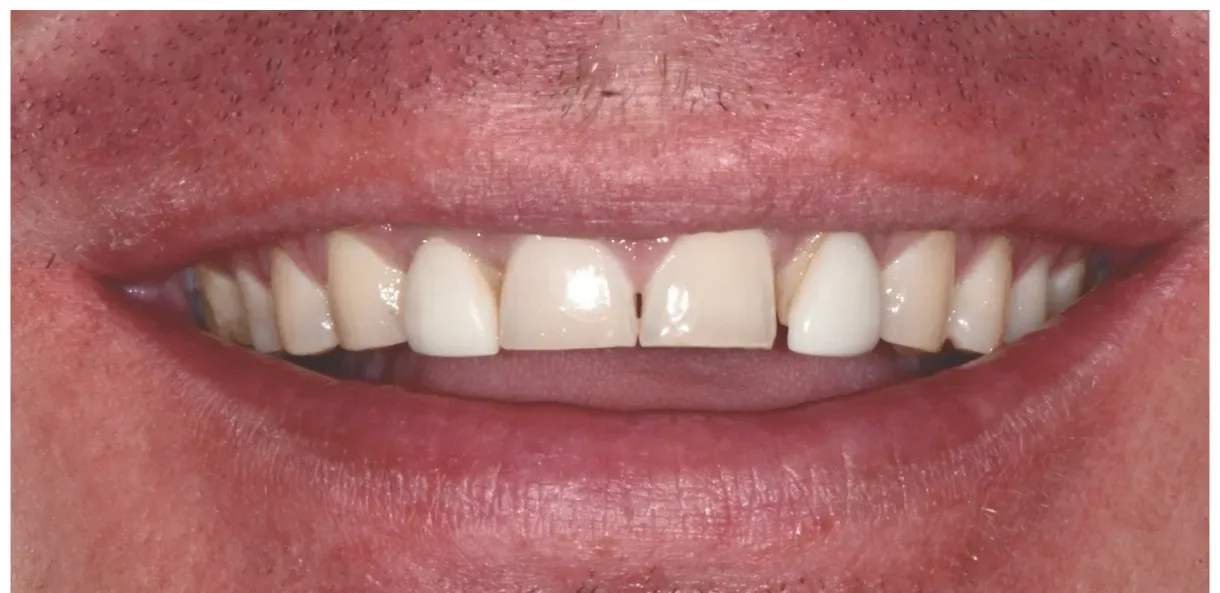 Before
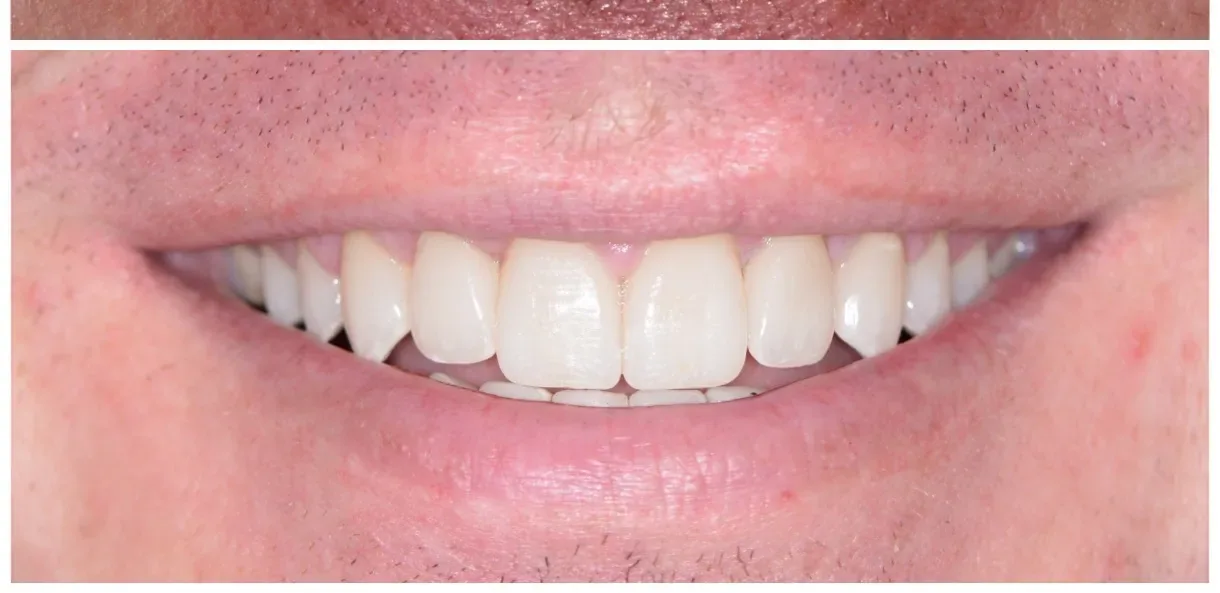 After
After
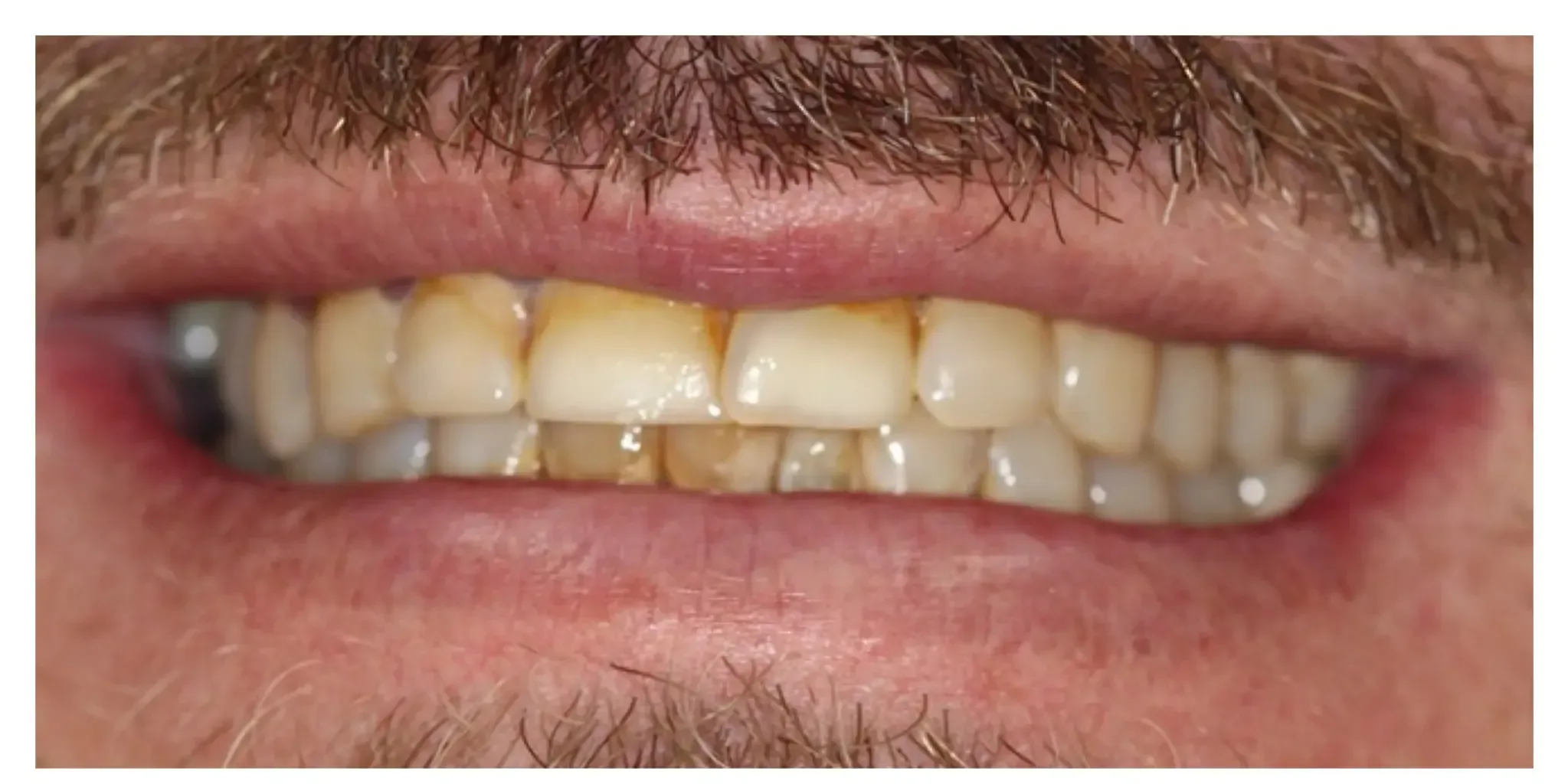 Before
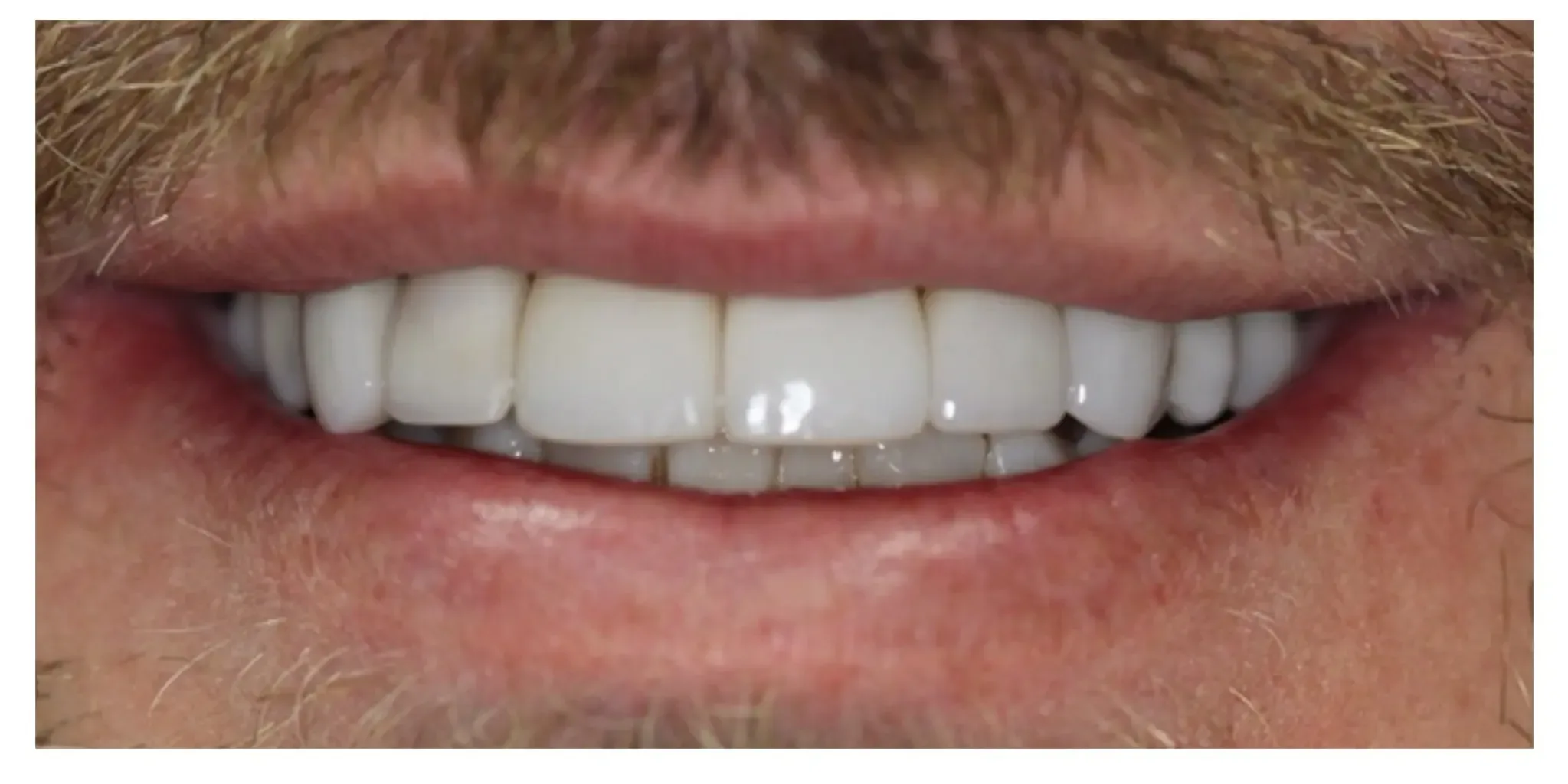 After
After