What Are Dental Veneers?
Dental veneers are thin, custom-made shells designed to cover the front surface of your teeth. Made from porcelain or composite resin, they are permanently bonded to your natural teeth to improve their appearance, with the cost of veneers varying depending on the materials and procedures used.
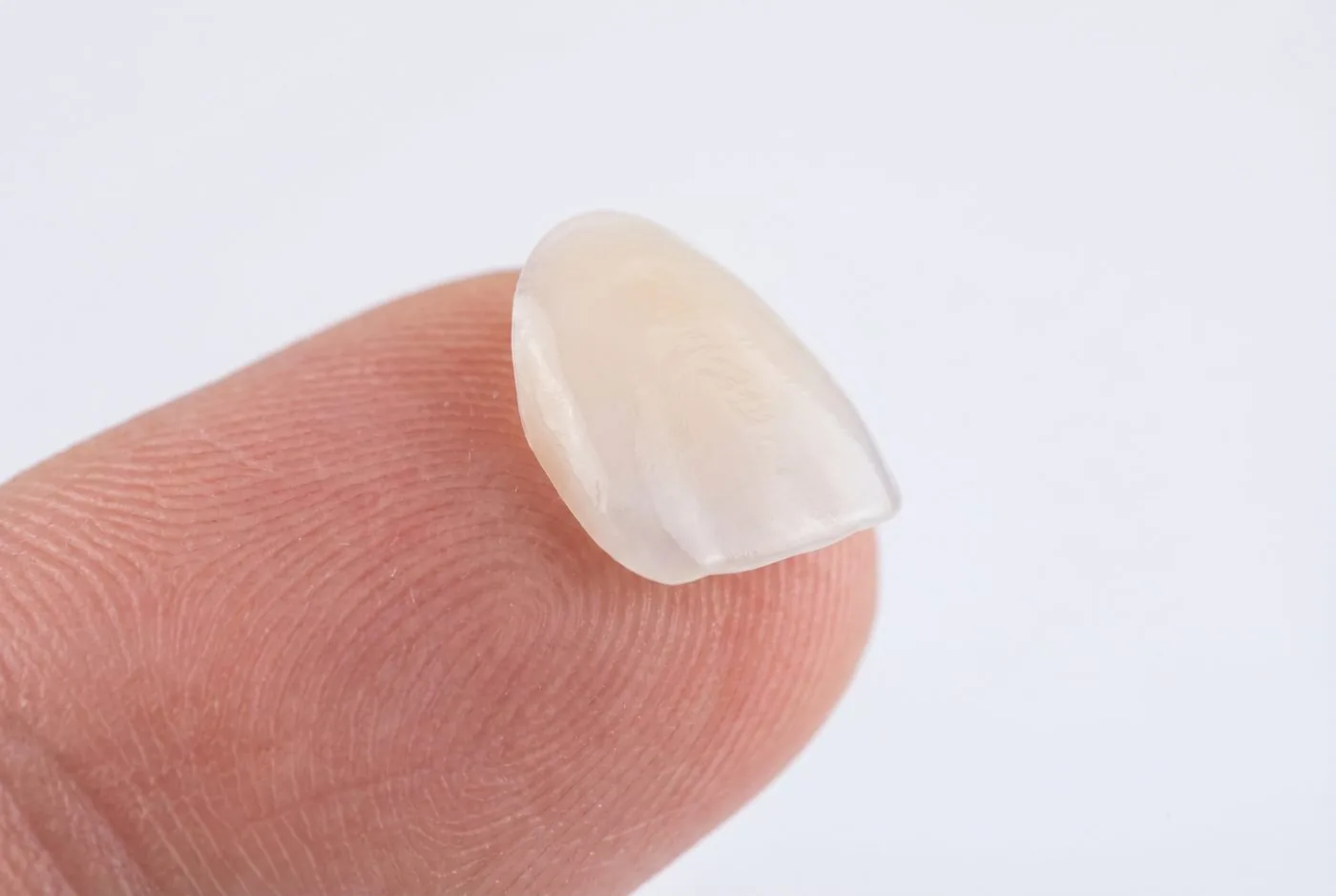
Andrea — A Straightforward Veneer Case
Challenge: Andrea's case is one of the clearest examples of what veneers are designed to do.
Treatment: 8 porcelain veneers to correct persistent discoloration — no bite correction needed.
Outcome: A clean, uncomplicated result that shows veneers at their most straightforward.
See Andrea's Case → View Full Case StudyVeneers can change the color, shape, size, and length of your teeth, as shown in our before and after veneers gallery. They are one of the most popular cosmetic dental procedures because they offer dramatic results with relatively conservative tooth preparation.
How Are Veneers Different from Crowns?
Veneers cover only the front surface of the tooth, and if you’re looking for veneers near you, they require less tooth reduction and are primarily cosmetic, while crowns cover the entire tooth and are used for both cosmetic and structural purposes. To better understand the investment, you can use a veneers cost estimator.
Joanne — Full-Mouth Transformation
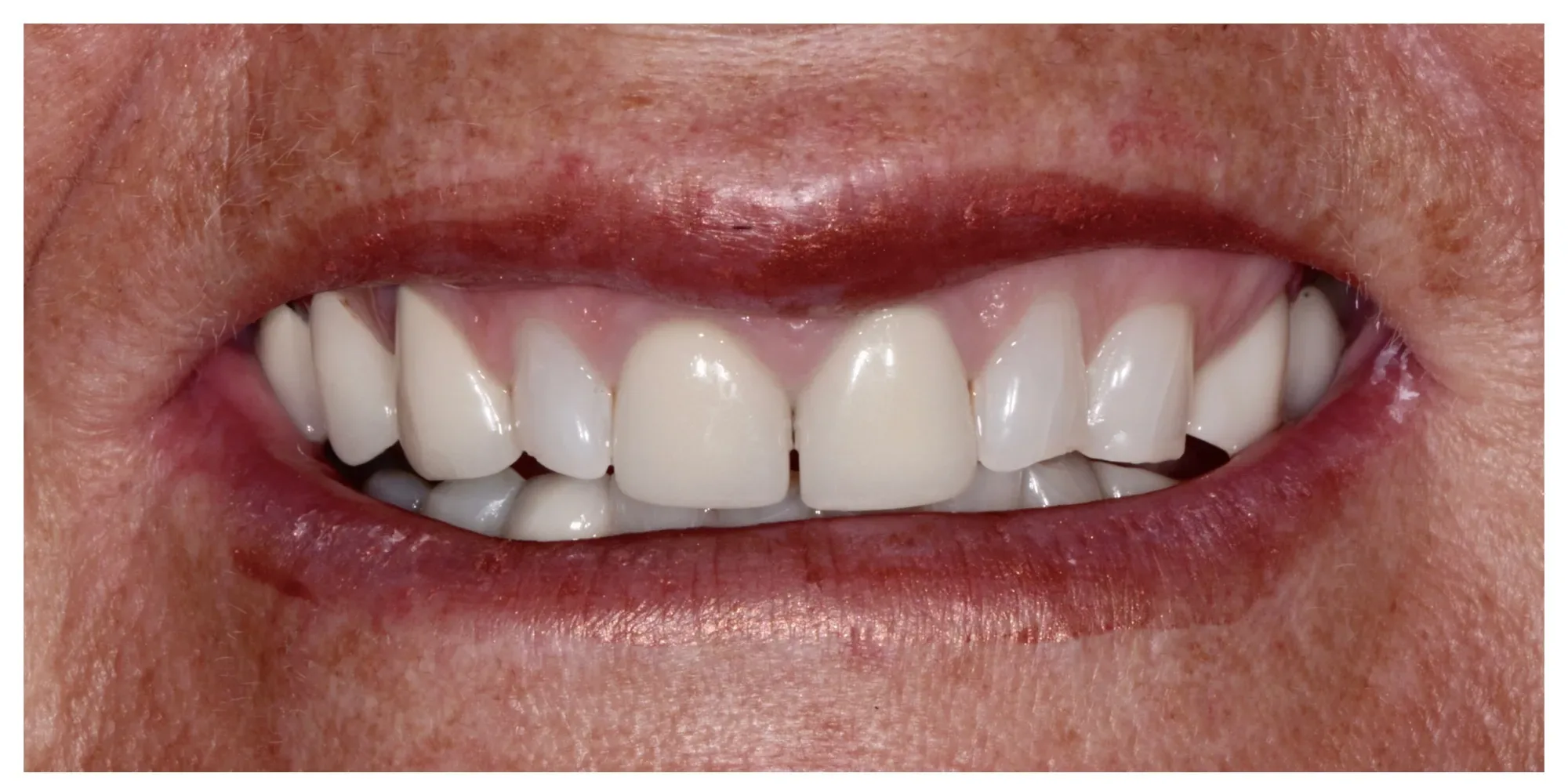 Before
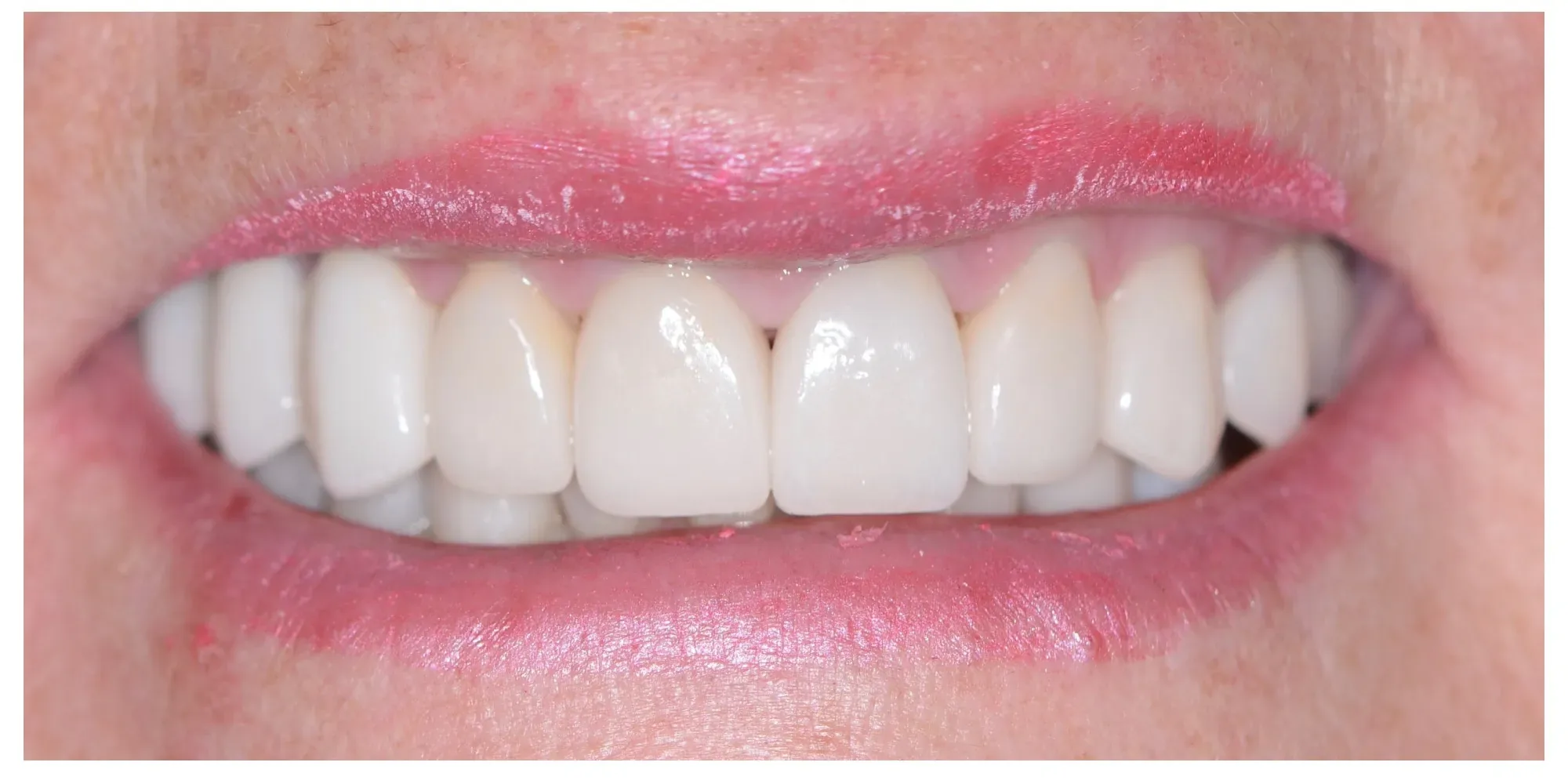 After
After
Severe wear, staining, and bite collapse corrected with 24 E.max restorations.
Read the full case →In clinical practice, the decision between porcelain veneers and crowns often hinges on the amount of remaining tooth structure. Veneers typically require removal of about 0.3 to 0.7 mm of enamel, preserving most of the tooth. However, when tooth structure loss exceeds roughly 50%, such as with large restorations or significant decay, crowns become more appropriate due to their full coverage and structural support. This threshold is critical because bonding strength is significantly higher to enamel than dentin; veneers rely on enamel bonding for longevity. Patients should understand that opting for veneers is ideal when enamel is largely intact, whereas crowns are better suited for teeth that need more extensive reinforcement.
Clinical Limitations and Alternatives
While porcelain veneers offer significant aesthetic improvements, they are not universally applicable. Patients with severe bruxism (teeth grinding), insufficient remaining enamel, or significant malocclusion may not be ideal candidates. In cases of severe crowding or bite alignment issues, orthodontic treatment (such as clear aligners or traditional braces) is often required prior to, or instead of, veneer placement to ensure long-term structural integrity.
For patients with extensive structural damage or large existing restorations, full-coverage dental crowns may provide better biomechanical support than conservative veneers. A thorough clinical and radiographic examination is necessary to determine the most appropriate restorative approach for each individual case.