Temporary Veneers: Your Smile’s Blueprint
Clinical Perspective: The temporary veneer phase is one of the most important parts of the process. Your temps will be cosmetically very close to the final restoration, allowing you to be an active part of the design process. All concerns — shape, length, color, spacing — can be addressed during this phase, even if it requires additional appointments. Achieving a lifelong amazing result is worth the extra time.
Many patients think the journey to their final porcelain veneers involves a simple "waiting period." In a quality cosmetic practice, it is seen differently. The temporary phase isn't about waiting; it is about designing. This is the crucial step where the blueprint for the new smile is collaboratively built, ensuring the final result is not only beautiful but perfectly functional for a lifetime. What cosmetic dentists advise concerned about the cost of veneers is this: "Don't be nervous, because all concerns can be addressed in the temps. A few extra appointments now are worth it to get everything right for the rest of your life."
What Are Temporary Veneers? (And Why They're So Important)
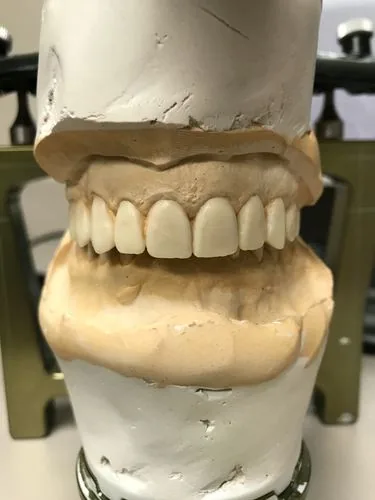
Temporary veneers, which dentists call provisional restorations, are much more than a short-term cover. After the dentist prepares the teeth—a process that involves removing a minimal layer of enamel to make space—detailed records are taken and impressions. These are sent to a trusted dental laboratory to handcraft your final porcelain veneers. While the lab works, the provisionals are placed. In clinical experience, this is where the magic happens. This is not a placeholder; it's the most critical design phase of the entire process.
Here’s what is accomplished during the temporary phase:
- Collaborative Design: Your temporary veneers are a cosmetic preview, often incredibly close to the final look. This allows you to "test drive" your new smile. You see the shape, length, and overall design in your own mouth, and you become a co-designer in the process.
- Bite Foundation: The bite is the foundation of a long-lasting smile. The temporary phase is used to perfect occlusion, ensuring everything fits together harmoniously. Any bite issues are fully addressed before the final veneers are even made. This is non-negotiable for longevity.
- Protecting the Tooth Structure: Of course, they also serve to protect the prepared teeth from sensitivity and allow you to function normally.
- Gauging Aesthetics and Function: Living with the temporaries allows assessment of speech, comfort, and how the new smile fits unique facial features. If changes are needed, adjustments are made during the temp phase, ensuring the final restorations are dialed in from day one.
These provisionals are crafted from a high-quality composite resin and secured with a temporary cement. It's designed to be strong for the few weeks you'll wear them but allow for easy removal when your permanent, handcrafted veneers are ready to be bonded.
 Click to enlarge
What to Expect with Temporary Veneers: Look and Feel
Appearance
It is important to have the right expectations. While temporary veneers will look fantastic, they are not the final work of art. The material is different from porcelain, so the color and translucency will not have that final, vital look. They can sometimes feel a little bulkier, and that is for a reason. That bulkiness is often part of how the bite is being refined and the underlying teeth are being protected. As the American Academy of Cosmetic Dentistry (AACD) notes, temporaries are a crucial diagnostic tool. They can be thought of as the architect's model before the final construction.
Sensation
For the first few days, awareness of the new restorations in the mouth will be present. The bite will feel different—this indicates that the new, correct position is being established. The gums might also be slightly sensitive as they adapt. This is all a normal part of the adjustment period. If any concerns arise, the office should be contacted, as this is the phase during which they are addressed.
How to Care for Your Temporary Veneers
Patients are given specific instructions for this period because proper care is essential. It is necessary for the temporaries to stay in place to gather all the information needed for a perfect final result, which can be seen in the before and after veneers gallery. The American Dental Association (ADA) guidelines provide a great starting point for gentle but diligent hygiene.
Oral Hygiene
Continue to brush normally, but please use a soft-bristled toothbrush and a non-abrasive toothpaste, especially if you’re considering veneers near you. When you floss, this is key: instead of snapping the floss up and out, which could catch the edge of a temporary, gently slide the floss out to the side. It’s a small change that makes a big difference.
Foods to Eat and Avoid
The diet needs to be adjusted to protect the provisional restorations. Here is the guide provided to patients:
| Foods to Enjoy | Foods to Avoid |
|---|---|
| Soft fruits (bananas, smoothies) | Hard foods (nuts, ice, hard candy) |
| Cooked vegetables | Sticky foods (caramel, gum, taffy) |
| Pasta and rice | Chewy foods (tough meats, bagels) |
| Yogurt and soups | Staining foods and drinks (coffee, tea, red wine, berries) |
| Fish and chicken | Extremely hot or cold foods |
How Long Will You Wear Temporary Veneers?
Typically, provisional veneers are worn for about two to three weeks. This is not dead time; it is active time. This period allows a master lab technician the time needed to meticulously craft the final veneers without rushing. A good lab is non-negotiable, and quality work takes time. This period also provides the chance to live with the new smile design, ensuring complete comfort and confidence with the look and feel before moving to the permanent stage.
What to Do if a Temporary Veneer Falls Off
First, do not panic. This occurs occasionally and is not an emergency. The office should be called right away. It is important not to try to reattach it using any kind of store-bought glue, as this can damage the tooth and compromise the final fit. An appointment will be scheduled promptly to re-cement it. The key is to keep the underlying tooth protected and maintain the space for the final restoration.
Frequently Asked Questions About Temporary Veneers
You can eat a wide variety of foods, but you do need to be careful. cosmetic dentists advise to stick to softer foods and avoid anything hard, sticky, or chewy that could dislodge the temporaries. It's also a good habit to avoid biting directly into hard things like apples with your front teeth. This is good practice even for your final veneers.
cosmetic dentists advise to think of them as a dress rehearsal. They are designed to be cosmetically very close to the final result, which is why this phase is so valuable. However, the acrylic material doesn't have the same life-like translucency as the final E.max porcelain. Their purpose is to perfect the shape, size, and bite, allowing adjustments to be made so the final performance is flawless.
The removal process is very straightforward and painless. Because a temporary cement is used, a special instrument can be employed to gently break the seal and lift the veneers off. The teeth are then thoroughly cleaned and prepared for the final, exciting step: bonding the permanent porcelain veneers.