Closing Gaps and Diastemas with Veneers: Real Cases and What to Expect
Gaps, also known as diastemas or spacing between teeth, are a common dental concern that affects many individuals. These spaces can range from a single noticeable gap between the two front teeth to generalized spacing across multiple teeth, which can impact both the aesthetics and function of your smile. While gaps are often harmless, they can cause self-consciousness or affect speech and chewing in some cases. Understanding the causes and treatment options for gaps is essential for anyone considering improving their smile.
The development of gaps between teeth can occur for several reasons. One common cause is a discrepancy between the size of the teeth and the jawbone, where the teeth are too small relative to the space available. This mismatch leads to spaces forming naturally. Other factors include genetics, habits such as thumb sucking during childhood, or an oversized labial frenum—the tissue connecting the inside of the upper lip to the gums—that can push the front teeth apart. Additionally, periodontal (gum) disease can cause bone loss around teeth, leading to shifting and gaps. Understanding these causes helps guide the most appropriate treatment approach.
Veneers offer a highly effective and minimally invasive solution for closing gaps without the need for orthodontic treatment. These thin, custom-crafted shells are bonded to the front surfaces of teeth to reshape and resize them, effectively eliminating spaces. Unlike braces or clear aligners that move teeth over time, veneers close gaps without orthodontics by instantly creating the appearance of perfectly aligned teeth. This approach is especially appealing for patients seeking a quicker cosmetic fix or those who do not require bite correction. Additionally, veneers can improve tooth color and shape, enhancing overall smile aesthetics while addressing spacing concerns.
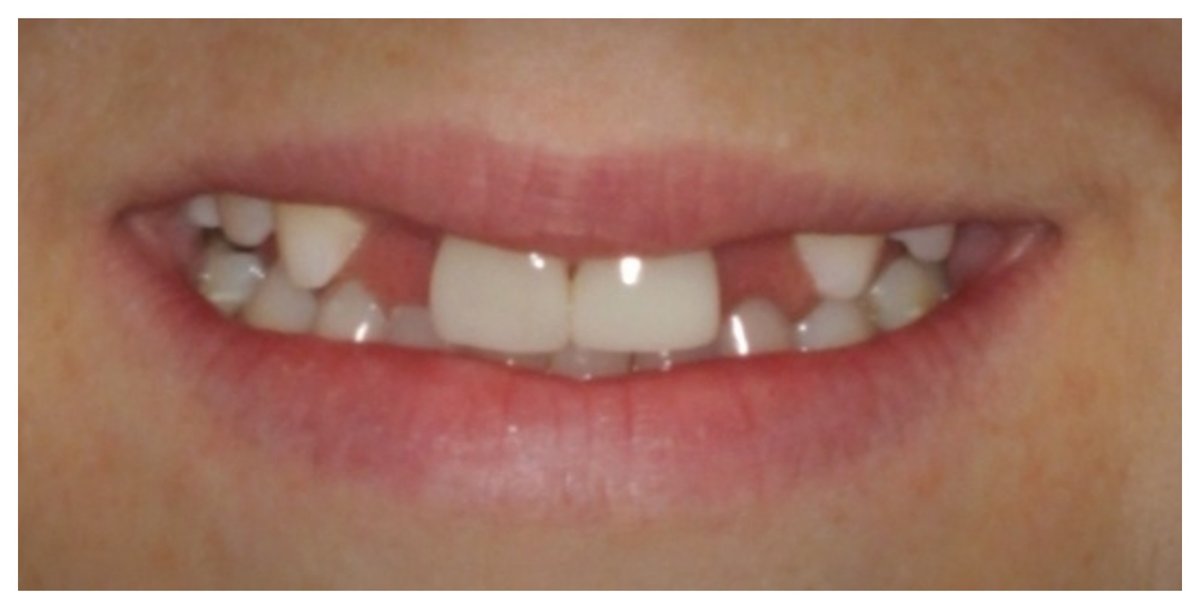
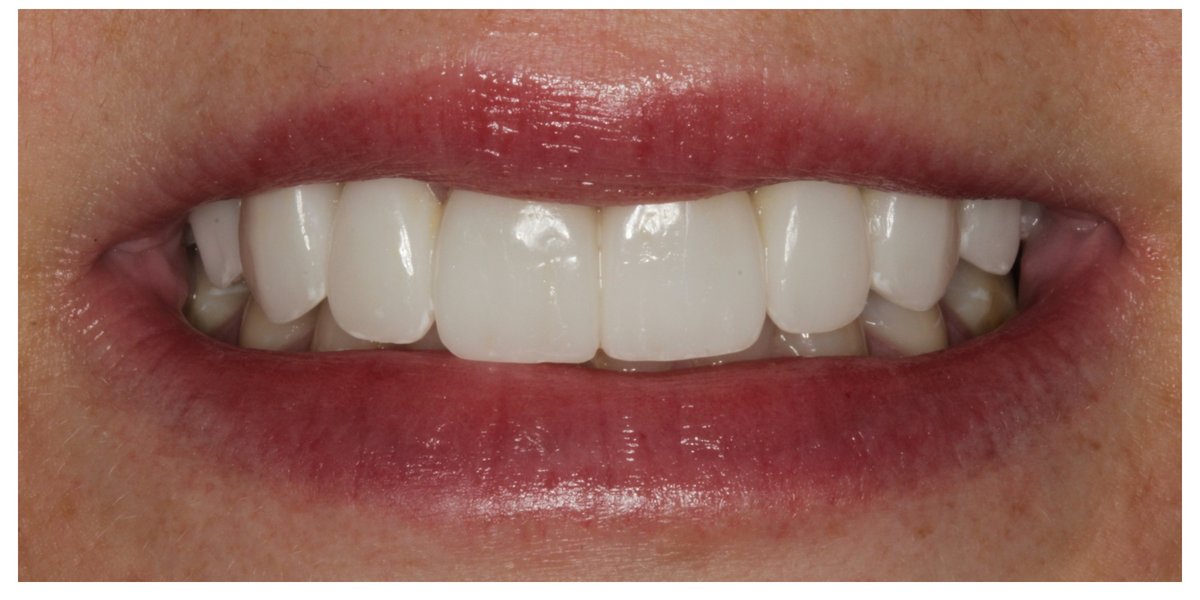
One illustrative example is Sarah's gap closure. Sarah had a prominent midline diastema that she had been self-conscious about since childhood. After consultation, she chose veneers to close the gap and achieve a natural, harmonious smile. The treatment involved minimal tooth preparation and resulted in a dramatic improvement in both her confidence and appearance. Sarah’s case highlights how veneers can provide a lasting cosmetic solution for single, wide gaps without the need for braces or aligners.
Another compelling case is Lexi's spacing correction, where generalized spacing across her upper arch made her teeth appear small and widely set. Lexi opted for veneers to address multiple gaps simultaneously, which not only closed the spaces but also enhanced the proportion and symmetry of her teeth. This comprehensive approach demonstrates how veneers can be tailored to correct complex spacing issues while delivering a natural-looking smile transformation.
Determining candidacy for veneers to close gaps involves evaluating several factors. Ideal candidates are those with healthy teeth and gums who seek cosmetic improvement without underlying bite problems. Patients with mild to moderate spacing, good oral hygiene, and realistic expectations typically achieve excellent results. However, individuals with significant bite misalignment, active gum disease, or severe spacing caused by jaw discrepancies may require alternative or adjunctive treatments. It is important to consult with a dental professional to assess whether veneers are the right solution for your gaps based on your unique dental condition.
While veneers are an excellent option for many, alternatives may be more appropriate in certain situations. For example, clear aligners or traditional orthodontics are preferred when gaps result from bite issues or when tooth movement is necessary to improve function. Orthodontic treatment addresses the root cause by repositioning teeth over time, which can be essential for long-term oral health. For small, isolated gaps, dental bonding may be a simpler and more cost-effective solution, involving the application of tooth-colored resin to fill spaces. Each option has its advantages, and your dentist can help determine the best approach based on your goals and dental health.
For patients interested in veneers, understanding what the veneer procedure involves can help set realistic expectations. The process typically includes an initial consultation, minimal tooth preparation, impressions, and bonding of custom veneers. Additionally, reviewing how much veneers cost for gap closure is important for financial planning, as prices vary depending on the number of veneers and geographic location. By exploring candidacy and cost resources, you can make an informed decision about the best way to achieve a confident, gap-free smile.
Understanding Gaps Between Teeth
Gaps between teeth, clinically known as diastemas, are a common dental concern that can affect both the aesthetics of a smile and oral function. These spaces can appear between any teeth but are are most noticeable when present between the two upper front teeth, often called a midline diastema. The prevalence of midline diastemas varies among populations but is generally considered a normal variation in tooth alignment during childhood, sometimes persisting into adulthood if not addressed.
The causes of gaps between teeth are diverse and often multifactorial. Genetic factors play a significant role, influencing tooth size and jaw bone structure, which can create discrepancies that result in spacing. For example, if the teeth are naturally smaller than the jaw size, gaps may develop. Additionally, habits such as thumb sucking or tongue thrusting during childhood can exert pressure on the teeth, pushing them apart over time. An oversized labial frenum—the tissue connecting the upper lip to the gums—can physically prevent the two front teeth from coming together, creating a persistent gap. Missing teeth or early loss of primary teeth can also lead to spacing as adjacent teeth drift to fill the void.
While gaps between teeth are not inherently a health problem, they often carry a significant emotional and social impact. Many patients report feeling self-conscious about their smiles, which can affect confidence in both personal and professional interactions. Beyond appearance, larger gaps can sometimes cause functional issues such as food trapping, which complicates oral hygiene and increases the risk of gum inflammation or tooth decay. Understanding the underlying cause and nature of these gaps is essential for identifying the most appropriate treatment options and achieving a satisfying outcome.
How Veneers Address Gaps Between Teeth
Dental veneers provide a versatile and minimally invasive solution for closing gaps between teeth, especially when patients prefer to avoid orthodontic treatment or when braces and aligners are less practical. Veneers are thin shells, typically made from porcelain or composite resin, custom-designed to fit over the front surfaces of teeth. By reshaping and resizing the teeth, veneers can effectively close minor to moderate spacing issues, enhancing both the function and aesthetics of the smile. This approach is particularly advantageous for patients seeking a quicker transformation compared to the months or years required for orthodontics.
Porcelain veneers are highly regarded for their durability, resistance to staining, and ability to mimic the natural translucency of tooth enamel. These qualities make porcelain an excellent choice for patients looking for long-lasting, natural-looking results. Composite veneers, crafted from tooth-colored resin, offer a more conservative and cost-effective alternative. They require less tooth preparation and can often be completed in a single visit, making them an attractive option for those with budget or time constraints. Both types of veneers can be tailored to close gaps precisely, whether addressing a single midline diastema or multiple small spaces between several teeth.
In cases where gaps are caused by an oversized labial frenum, a minor surgical procedure called a frenectomy may be necessary before veneer placement to ensure the gap does not reoccur. Additionally, veneers can be combined with other cosmetic treatments such as teeth whitening or minor orthodontics to achieve optimal results. For patients interested in exploring the benefits and limitations of composite veneers, detailed information is available on composite veneer options for gap closure, while porcelain veneer specifics can be found on the dedicated porcelain veneers page.
Are You a Candidate?
Determining candidacy for veneers to close gaps involves a thorough dental examination and assessment of oral health, tooth structure, and patient expectations. Ideal candidates typically have healthy teeth and gums, sufficient enamel for bonding, and gaps that are primarily cosmetic rather than caused by significant bite or jaw alignment issues. Patients with minor to moderate spacing often find veneers to be a highly effective solution. However, those with severe malocclusion or large gaps due to missing teeth may require orthodontic treatment or implants before considering veneers.
Veneers are not recommended for patients with active tooth decay, gum disease, or insufficient enamel, as these conditions can compromise the bonding process and long-term success. Additionally, individuals who habitually grind or clench their teeth may risk damaging veneers unless protective measures like night guards are used. For patients uncertain about whether veneers are the right choice, exploring veneer candidacy for gaps can provide valuable guidance. In some cases, orthodontics or other restorative procedures may be more appropriate to address underlying functional concerns before cosmetic enhancement.
What to Expect: Cost and Process
The cost of veneers to close gaps varies depending on the material chosen, the number of teeth involved, and the complexity of the case. Porcelain veneers generally range higher in price due to their superior aesthetics and durability, while composite veneers offer a more budget-friendly option with slightly less longevity. Typically, the total cost includes the initial consultation, diagnostic imaging, preparation of the teeth, fabrication of the veneers, and final placement. Some practices may also include follow-up visits to ensure proper fit and function. For those considering composite veneers, detailed cost information is available on the composite veneer cost page.
The treatment process usually begins with a consultation where the dentist evaluates the gaps, discusses patient goals, and recommends the most suitable veneer type. Impressions or digital scans of the teeth are taken to design custom veneers that blend seamlessly with the natural dentition. For porcelain veneers, a dental laboratory fabricates the shells over one to two weeks, during which temporary veneers may be placed. Composite veneers can often be completed in a single appointment, as the material is applied and sculpted directly onto the teeth. Once the veneers are bonded, patients can expect an immediate improvement in smile aesthetics, with proper care ensuring results that last for many years.
Real Patient Results
Real patient cases demonstrate the transformative power of veneers in closing gaps and enhancing smiles. For instance, Sarah’s porcelain veneer case showcases how expertly crafted porcelain shells can close a prominent midline diastema and create a natural, harmonious appearance. Her results highlight the strength and lifelike qualities of porcelain, delivering a smile that looks both beautiful and authentic.
Another compelling example is Andrea’s composite veneer treatment, which illustrates how composite resin can effectively close multiple small gaps with minimal tooth preparation. Andrea’s case emphasizes the conservative nature of composite veneers and their ability to provide immediate aesthetic improvement in a single visit, making them an excellent choice for patients seeking quick, cost-effective solutions.
Additionally, Lexi’s case demonstrates the versatility of veneers in addressing spacing concerns combined with other cosmetic issues, such as tooth shape and discoloration. These patient stories provide valuable insight into the range of options available and the personalized approach dentists take to achieve optimal outcomes. Exploring these cases can help prospective patients envision the possibilities for their own smiles and understand the practical benefits of veneer treatment for gaps between teeth.
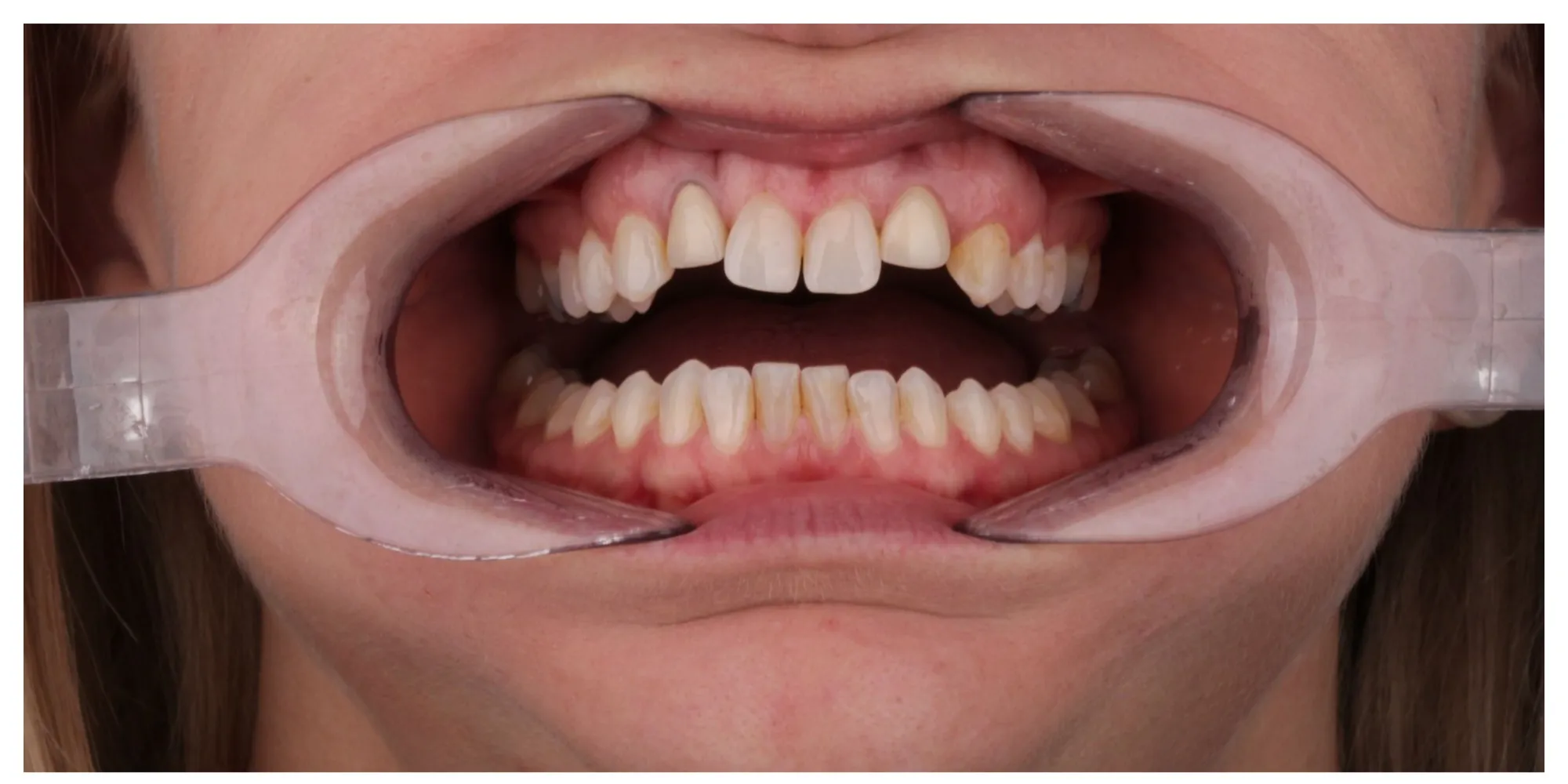 Before
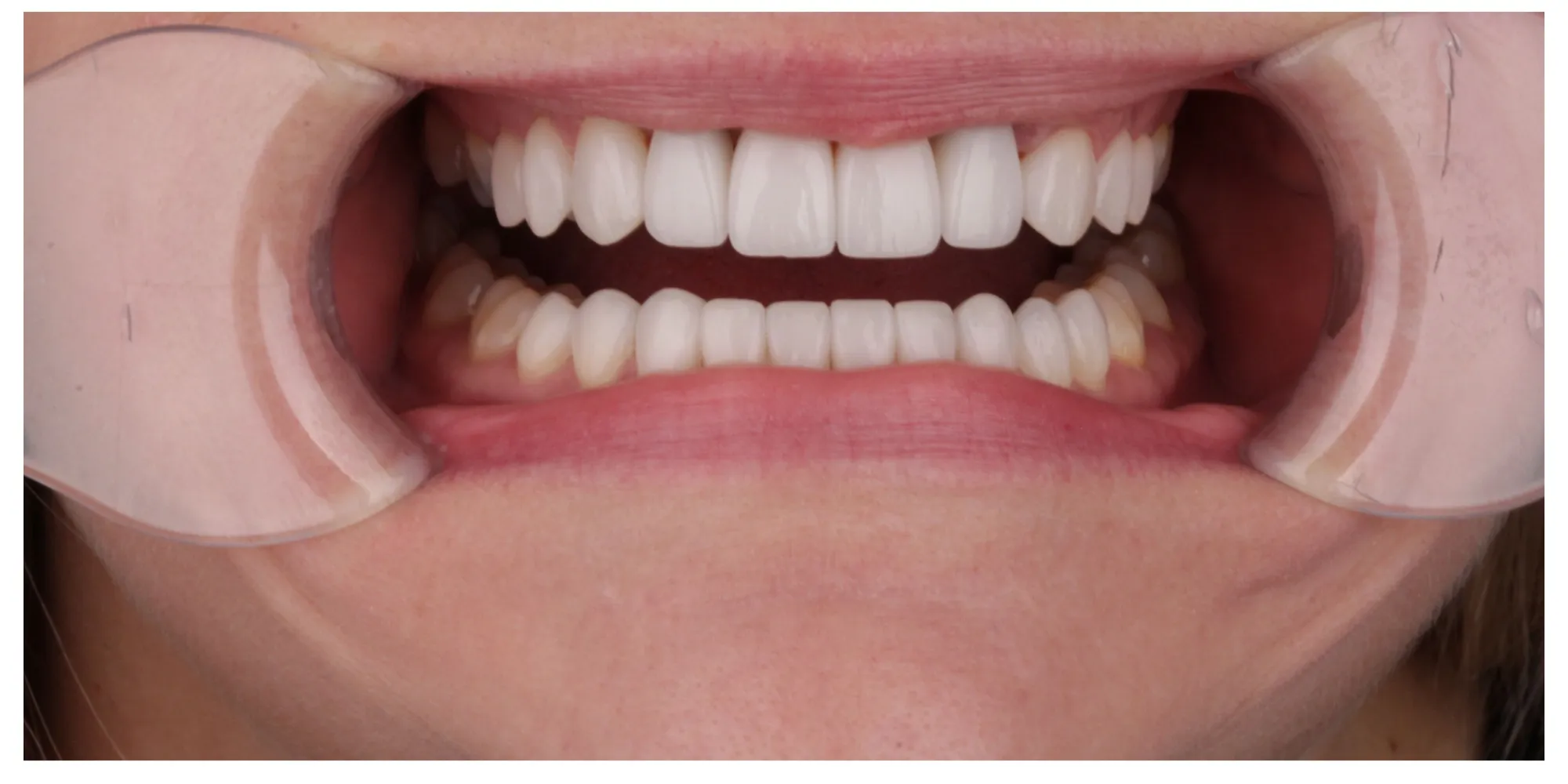 After
After
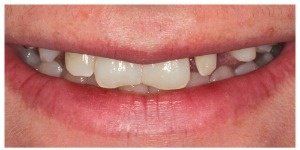 Before
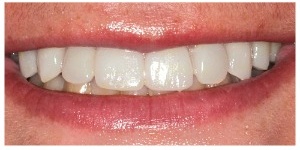 After
After
 Before
 After
After