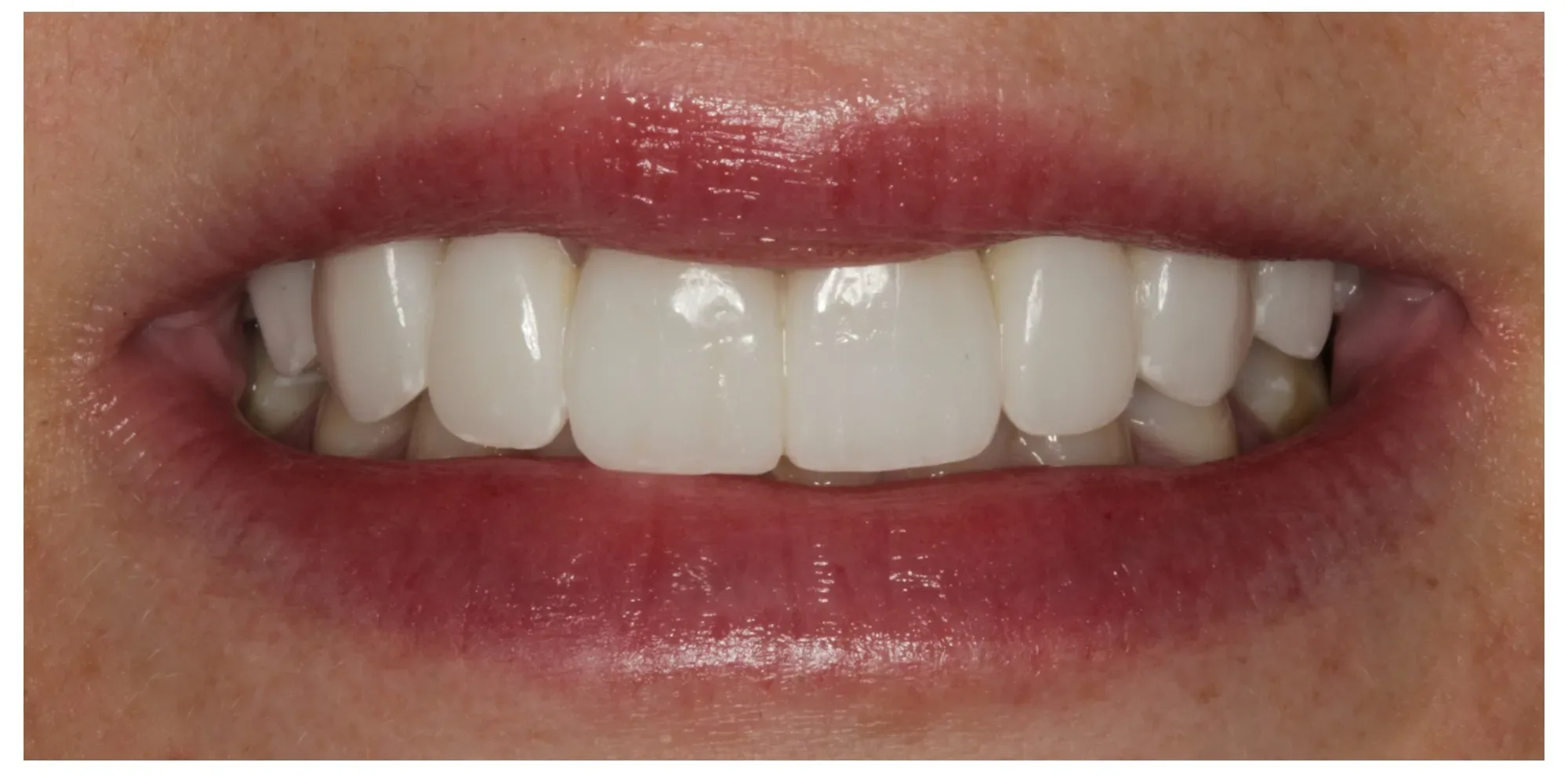
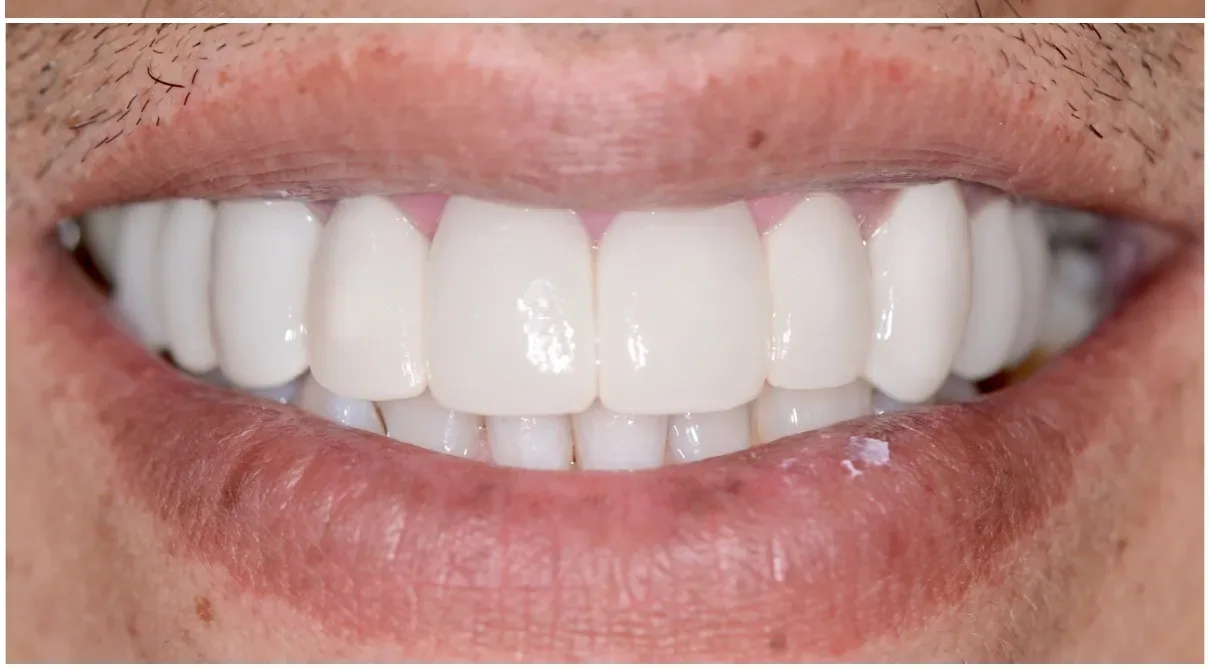
When professional whitening isn't enough and veneers offer permanent color correction.
Understanding veneers for stained teeth is an important part of your veneer research. This guide covers what you need to know, based on current clinical evidence and real patient outcomes. View Mary's transformation to see what this procedure looks like in practice.
Andrea — Deep Intrinsic Staining
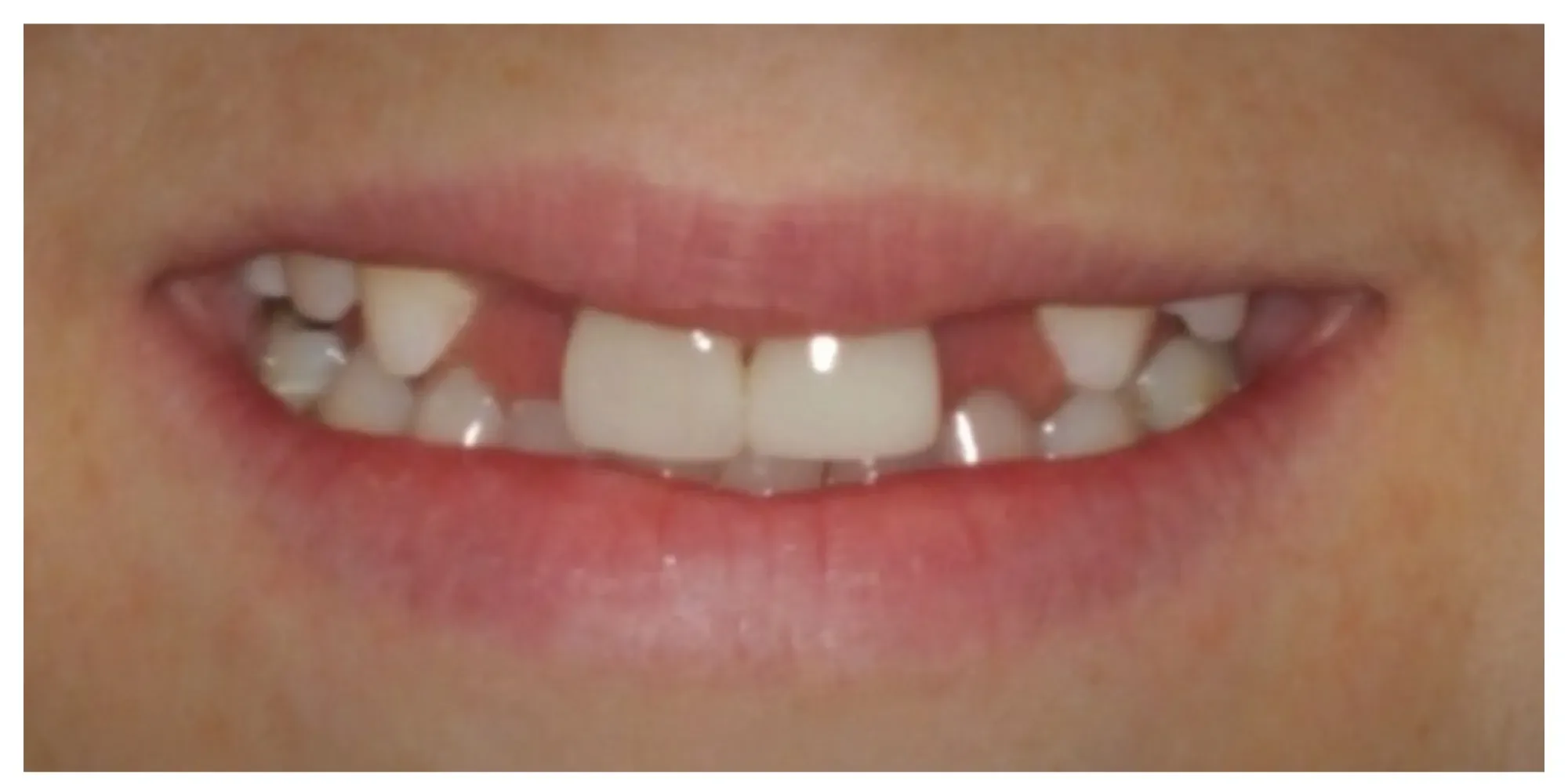
Before
After
Tetracycline-stained teeth fully corrected. No whitening could have achieved this result.
Read the full case →Jason — Fluorosis & Intrinsic Discoloration
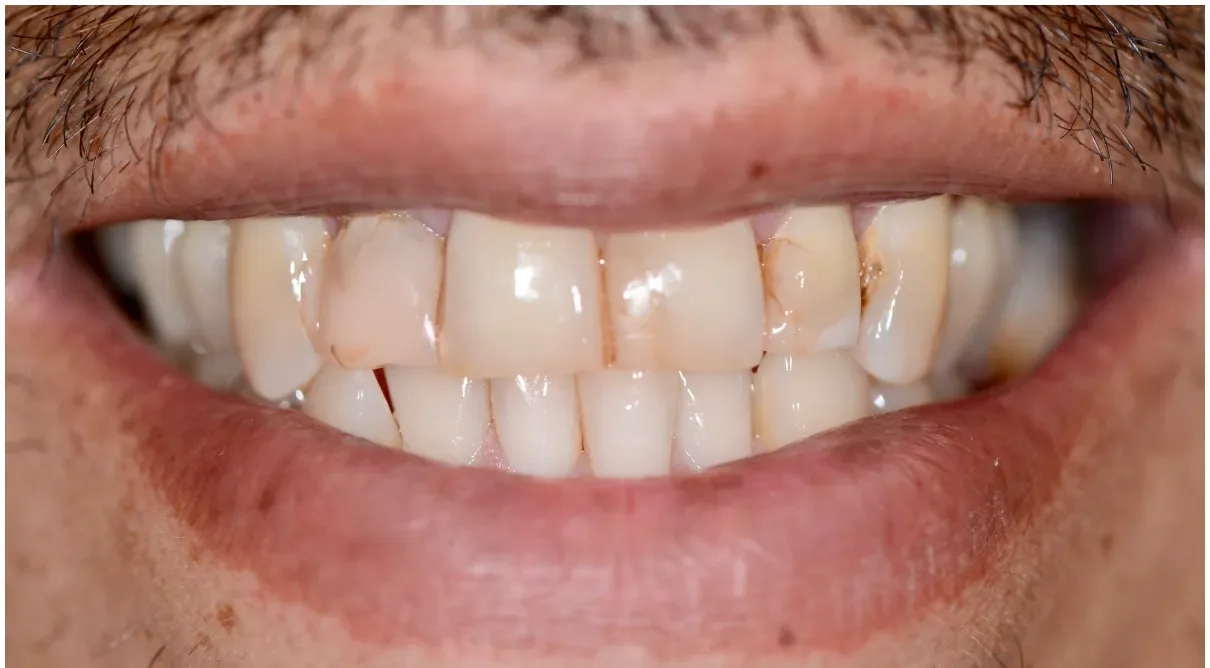
Before
After
Fluorosis staining masked with layered E.max veneers matched to natural translucency.
Read the full case →Many patients considering veneers have questions about veneers for stained teeth, as well as the cost of veneers. The information below is clinically reviewed by Brennan Bonati, DDS, and reflects current best practices in cosmetic dentistry.
Challenge: Years of intrinsic staining that whitening could not correct.
Treatment: 8 porcelain veneers on upper arch, matched to natural tooth color.
Outcome: Permanent, natural-looking result — no more self-consciousness about her smile.
See Andrea's Full Transformation → View Full Case StudyMost patients's situation is unique. The guidance provided here is general in nature and should not replace a consultation with a qualified cosmetic dentist who can evaluate your specific case. Factors like your bite, the condition of your existing teeth, and your overall oral health all play a role in determining the best treatment approach, as seen in our before and after veneers examples.
If readiness to explore whether veneers near you are suitable is present, a free veneers cost estimator can provide a personalized cost range in under two minutes. The provider directory can also be browsed to find vetted cosmetic dentists in the area.
Veneers are not a universal solution. They require sufficient enamel for bonding, a stable bite, and healthy gum tissue. Patients with active periodontal disease, severe bruxism, or significant misalignment may need to address those conditions first — or may be better served by orthodontics, crowns, or other restorations. The information on this page is educational and does not substitute for a clinical evaluation by a licensed dentist.
While veneers can effectively mask discoloration, they are not always the ideal solution for every case of stained teeth. Teeth with significant structural damage, extensive decay, or insufficient enamel thickness may not provide a stable foundation for veneers, compromising their longevity and aesthetic outcome. Additionally, intrinsic stains caused by certain medications or developmental conditions can sometimes require alternative treatments such as internal bleaching or crowns for optimal results. Patient-specific factors, including occlusal forces and oral hygiene habits, also play a critical role in determining the success and durability of veneers. Therefore, a comprehensive clinical evaluation is essential to establish candidacy and tailor the treatment plan accordingly.
In cosmetic dentistry practice, distinguishing extrinsic from intrinsic staining is critical because it dictates treatment options. Extrinsic stains, caused by surface factors like coffee or tobacco, often respond well to professional cleaning or whitening. Intrinsic stains, such as those from tetracycline exposure during tooth development, penetrate the enamel and dentin, making them resistant to bleaching. In fact, tetracycline-stained teeth often require porcelain veneers with increased thickness and opacity to mask the deep discoloration effectively—sometimes up to 0.7 mm compared to the typical 0.3 mm veneer. For patients, understanding this means that not all discoloration can be fixed with simple whitening; some cases necessitate more involved restorative treatment for predictable esthetic outcomes.
Not all staining is the same. Extrinsic staining (surface-level, from food and drink) responds well to professional whitening. Intrinsic staining (from tetracycline, fluorosis, trauma, or developmental defects) originates inside the tooth and cannot be whitened away. Veneers are the definitive solution for intrinsic staining because they completely cover the discolored tooth with a new porcelain surface. Understanding which type you have determines the right treatment path — and your dentist can diagnose this during a consultation.
Yes — if your staining is extrinsic (from coffee, wine, tea, or smoking). Professional whitening is less invasive and less expensive than veneers. If whitening produces a satisfactory result, you may not need veneers. If it fails, that confirms intrinsic staining that only veneers can address. See our comparison of veneers vs. whitening.
Yes — porcelain veneers are the most effective solution for tetracycline staining, which is intrinsic and does not respond to whitening. The porcelain completely masks the underlying discoloration while still appearing natural. Severe tetracycline cases may require slightly thicker or more opaque porcelain to fully block the dark underlying color.
Porcelain veneers typically cost $900–$2,500 per tooth. For stained teeth, most patients need 6–10 veneers (the visible "smile zone") for a uniform result, bringing the total to $5,400–$25,000. For a personalized estimate based on your specific situation, use our free cost estimator.