Teeth whitening and porcelain veneers both improve tooth color, but they work in fundamentally different ways. Whitening removes surface and subsurface stains from natural enamel. Veneers cover the tooth entirely with a new porcelain surface. This guide explains which approach is right for your type of discoloration.
Veneers vs. Teeth Whitening: The Comparison
| Factor | Porcelain Veneers | Professional Whitening |
|---|---|---|
| Best For | Intrinsic staining, tetracycline, fluorosis, permanent color change | Extrinsic staining from coffee, wine, tea, aging |
| Cost | $900 – $2,500 per tooth | $300 – $800 per session |
| Duration of Results | 15 – 20+ years (permanent) | 6 – 12 months (requires maintenance) |
| Addresses Shape/Size | Yes — also corrects shape, size, minor alignment | No — only changes color |
| Sensitivity | Mild, temporary after placement | Common during and after treatment |
| Tooth Prep | Minimal enamel removal | None |
| Maintenance | None beyond normal hygiene | Touch-ups every 6–12 months |
For a full cost breakdown including payment plans and financing, see the complete cost guide.
When Each Option Makes Sense
Not all staining responds to whitening. Extrinsic stains (from coffee, wine, tobacco, and aging) respond well to professional whitening because the discoloration sits on or near the enamel surface. Intrinsic stains — caused by tetracycline antibiotics, fluorosis, trauma, or developmental defects — originate inside the tooth structure. No amount of whitening can penetrate deep enough to remove intrinsic discoloration.
The decision framework: try whitening first if your staining is extrinsic (surface-level, from food/drink/age). If whitening fails or your staining is intrinsic, veneers are the definitive solution. Veneers completely mask the underlying tooth color with an opaque porcelain layer while still appearing natural. For patients with both color and shape concerns, veneers address everything in one treatment.
Real Patient Cases
See how real patients navigated this decision with their cosmetic dentist.
Mary — When Whitening Wasn't Enough
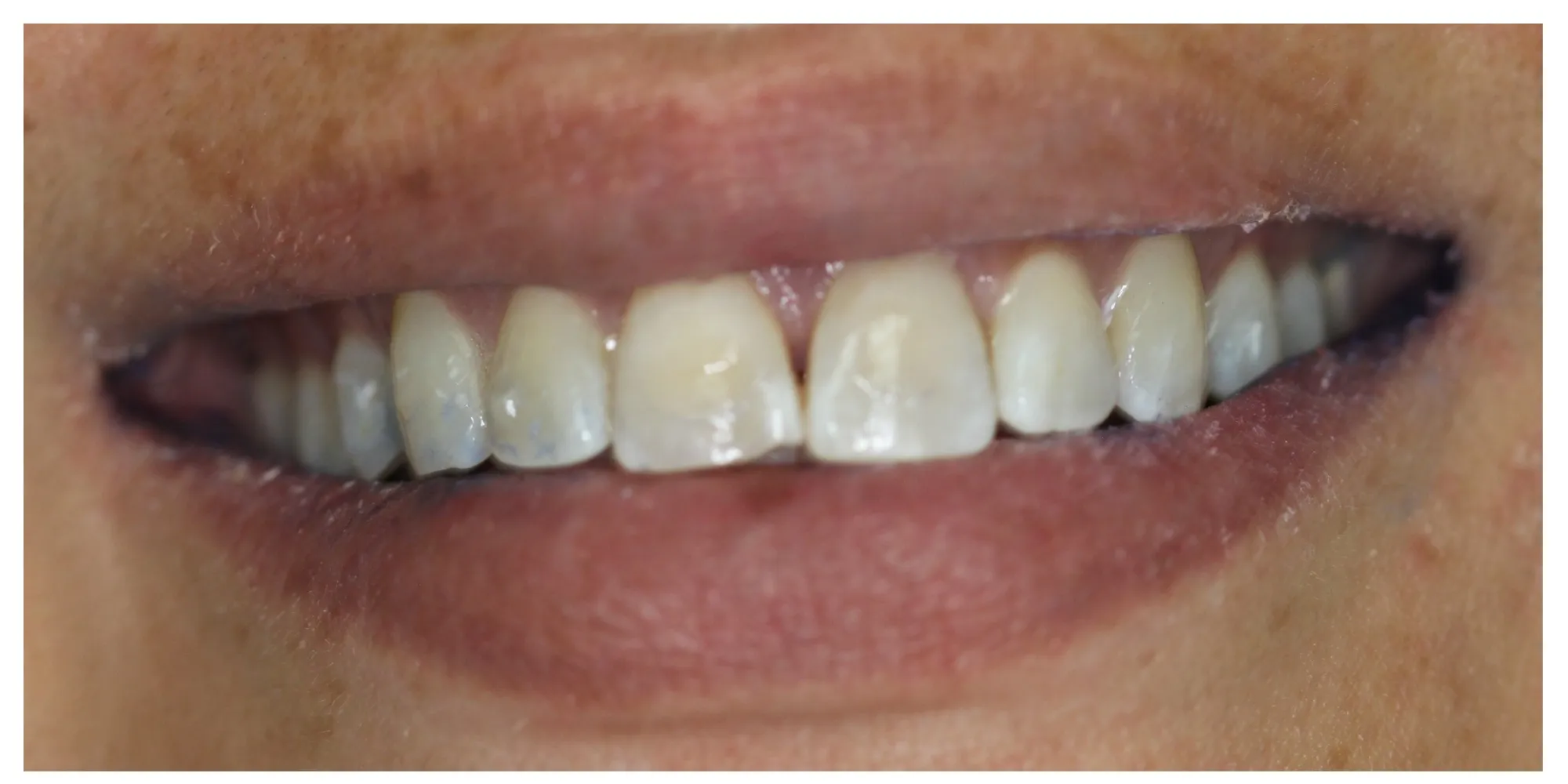 Before
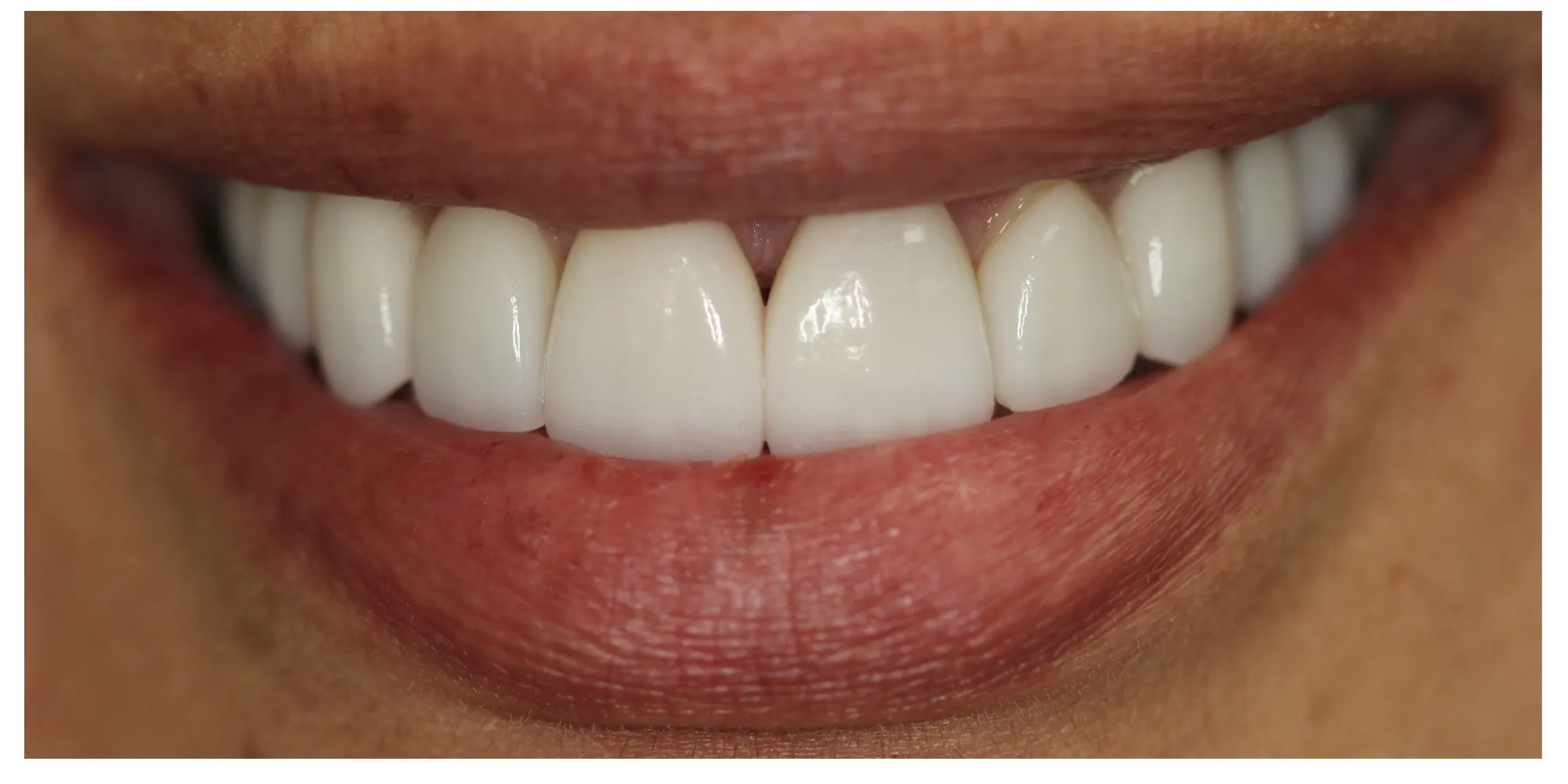 After
After
Intrinsic staining from medication made whitening ineffective. Porcelain veneers delivered the permanent color correction.
View Mary's full case →Jason — Full-Arch Color Correction
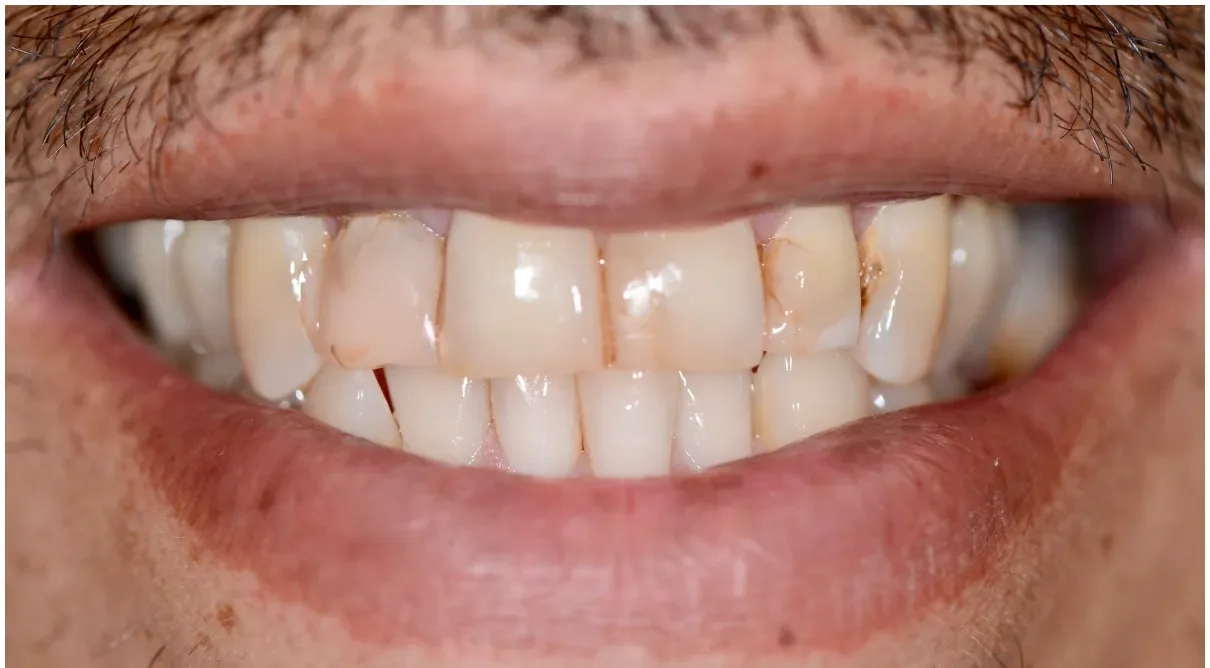 Before
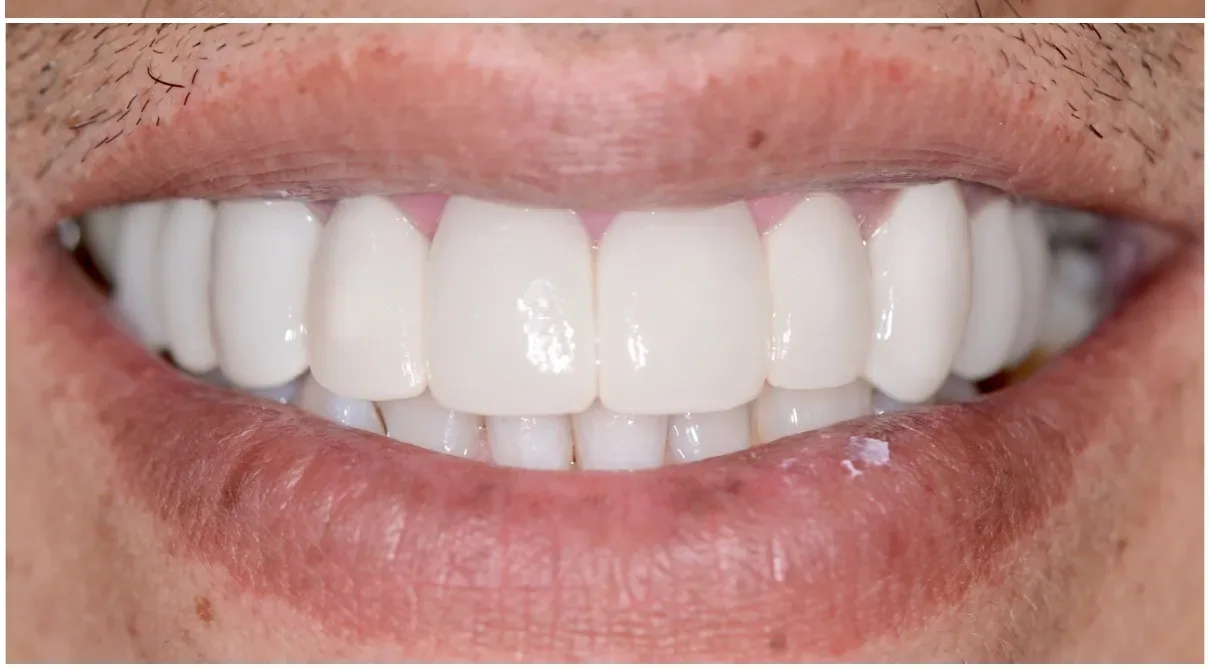 After
After
Severe tetracycline staining required full-arch porcelain restorations — whitening was never an option for this level of discoloration.
View Jason's full case →I Understand My Options — Now What?
You know the difference. Here’s how to take the next step.
Frequently Asked Questions
Yes — if your concern is purely color-related and the staining appears to be extrinsic (from food, drink, or aging). Professional whitening is less invasive and less expensive. If whitening produces a satisfactory result, you may not need veneers at all. If it fails to address your discoloration, that confirms intrinsic staining that only veneers can fix.
No — porcelain does not respond to whitening agents. The color of your veneers is set permanently at the time of fabrication. This is actually an advantage: veneers resist staining from coffee, wine, and tea that would discolor natural teeth. If you plan to whiten your natural teeth, do so before veneer placement so the ceramist can match the veneer shade to your whitened teeth.
Professional whitening costs $300–$800 per session, while veneers cost $900–$2,500 per tooth. However, whitening requires maintenance every 6–12 months, while veneers last 15–20+ years with no touch-ups. For patients with extrinsic staining only, whitening is clearly the better value. For intrinsic staining or combined cosmetic concerns, veneers are the only effective solution.