Composite Veneers: Same-Visit Smile Improvements for Minor Cosmetic Concerns
Minor cosmetic dental issues such as small chips, mild discoloration, and slight irregularities in tooth shape are common concerns that affect many individuals seeking to enhance their smiles. These imperfections, while not severe enough to require extensive dental work, can impact confidence and overall appearance. Composite veneers offer a practical and efficient solution for addressing these subtle aesthetic problems, often in just one dental visit. This minimally invasive option has gained popularity due to its ability to provide immediate improvements without the need for extensive enamel removal or laboratory fabrication.
These minor cosmetic concerns typically arise from everyday wear and tear, minor trauma, or natural variations in tooth development. Small chips often occur due to accidental biting on hard objects or minor injuries, while mild discoloration can result from dietary habits, smoking, or aging. Slight shape irregularities may be congenital or develop over time due to uneven wear. Clinically, these issues do not compromise the structural integrity of the teeth but can detract from an otherwise healthy smile. Understanding the underlying causes helps patients appreciate why a conservative approach like composite veneers can be an effective remedy.
Composite veneers work by applying a tooth-colored resin material directly onto the tooth surface, sculpting it to correct imperfections such as chips, discoloration, and shape discrepancies. This resin is carefully layered and hardened using a special light, allowing the dentist to customize the appearance precisely to the patient’s natural teeth. Because composite veneers are applied directly in the dental office, they offer a same-visit transformation that is both cost-effective and minimally invasive. Unlike other cosmetic treatments, composite veneers preserve more of the natural tooth structure, making them an excellent choice for patients seeking subtle but impactful improvements.
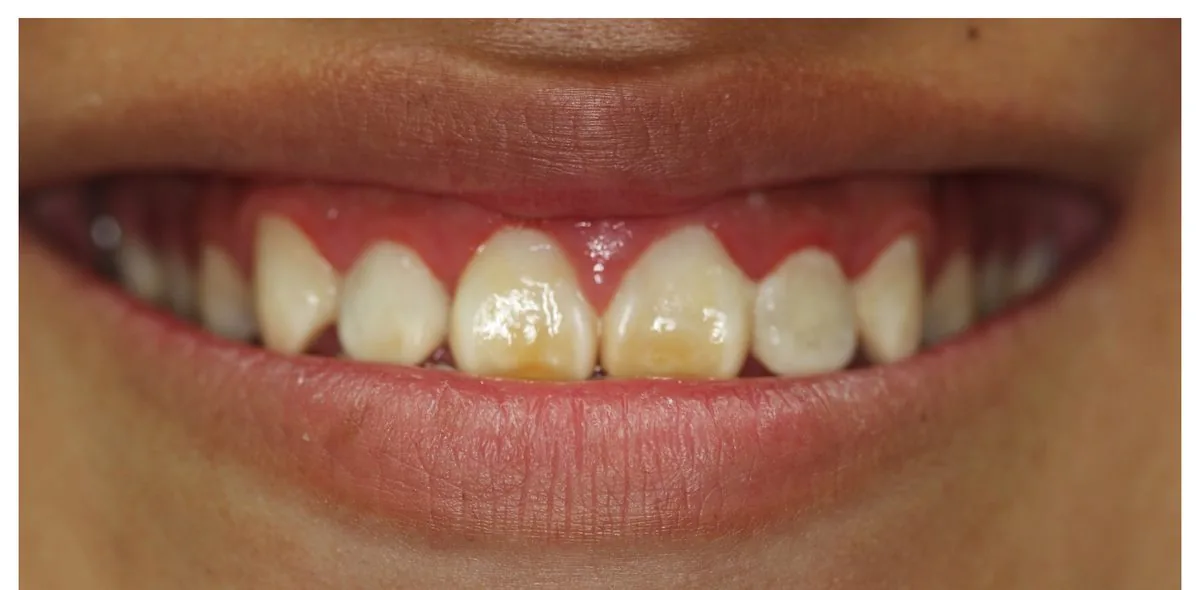
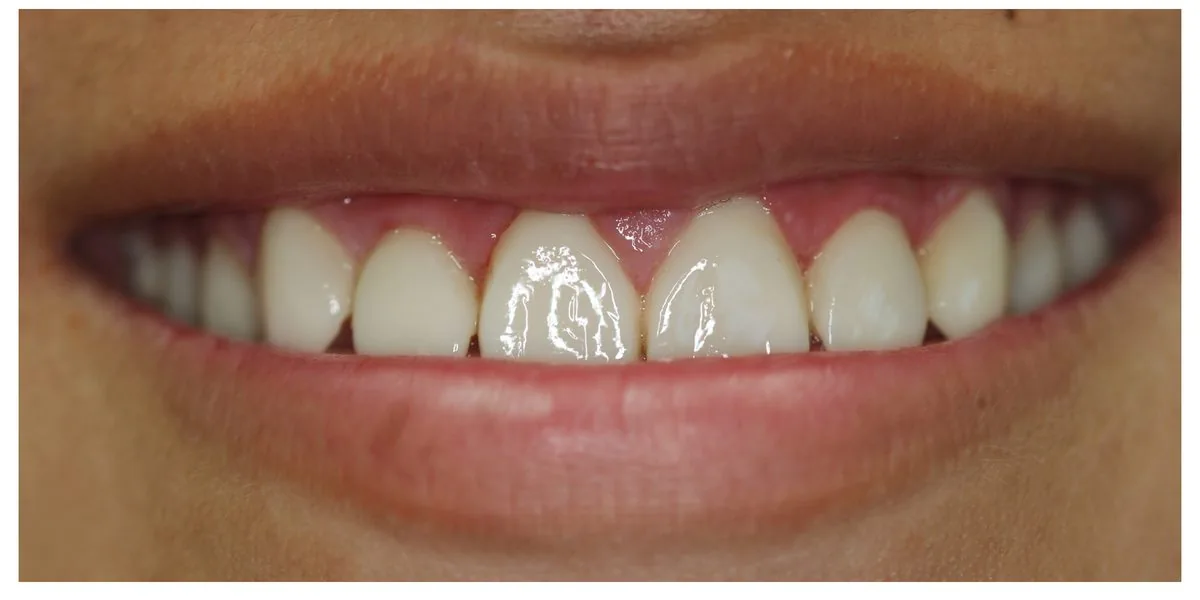
For example, Alex's composite veneer result showcases how minor chipping and shape irregularities can be corrected efficiently in a single appointment. Alex wanted to restore the smooth contours of his front teeth without the downtime or expense associated with more extensive cosmetic procedures. His case demonstrates the versatility of composite veneers in addressing common minor defects while maintaining a natural appearance.
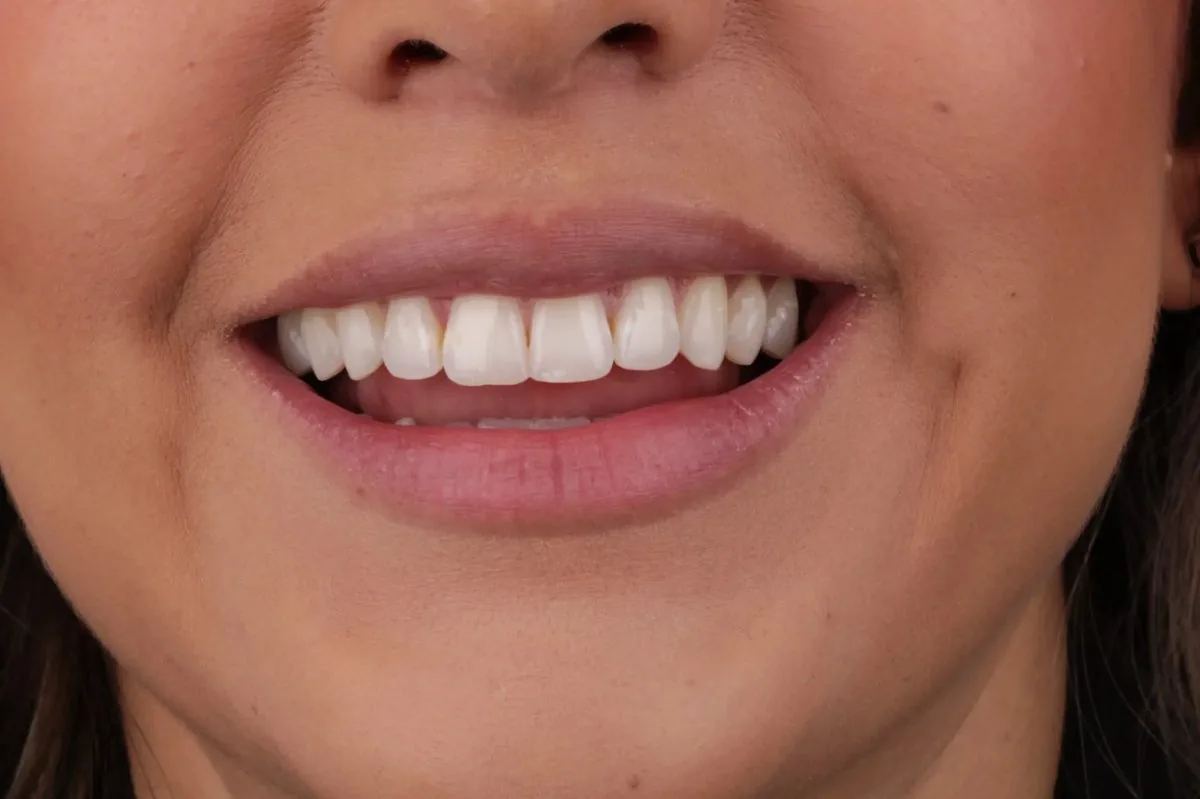
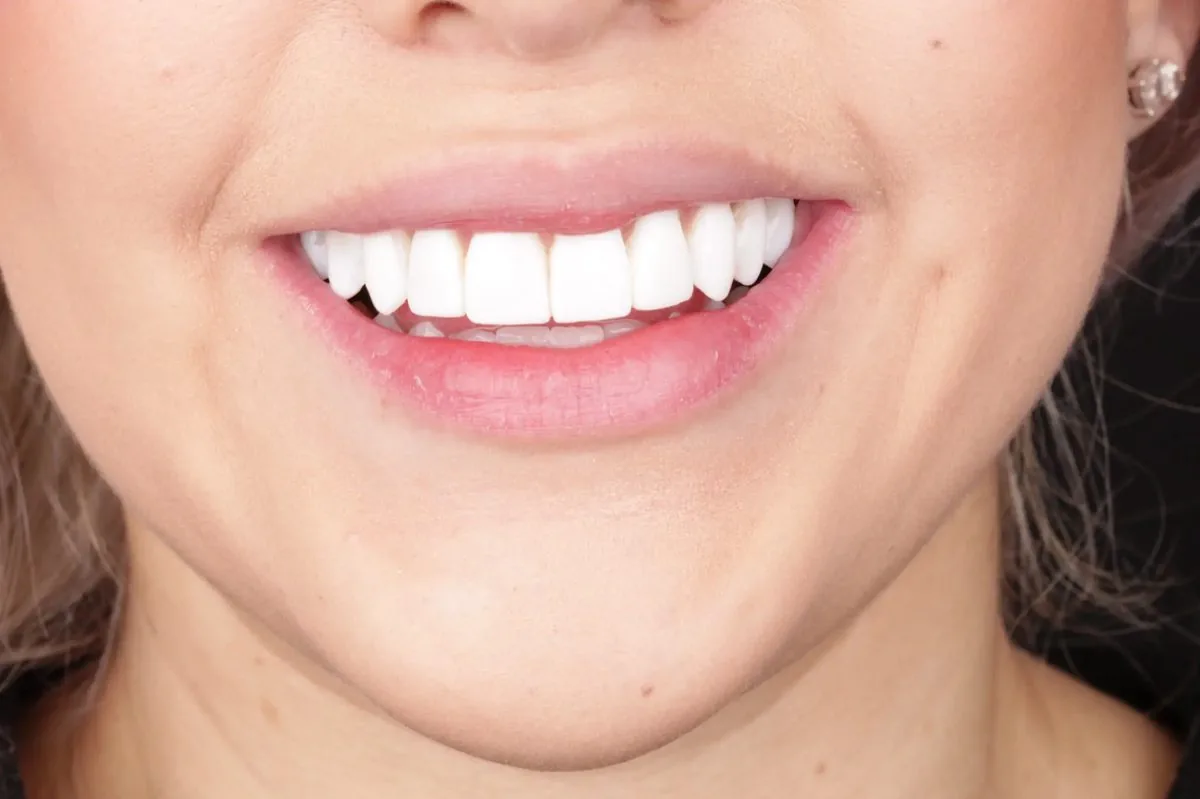
Similarly, Apollonia's single-visit transformation highlights the benefits of composite veneers for closing small gaps and refining tooth shape without enamel removal. Apollonia sought a quick, non-invasive enhancement that improved the symmetry and aesthetics of her smile. Her experience illustrates how composite veneers can be tailored to meet individual cosmetic goals while preserving tooth health.
Ideal candidates for composite veneers are individuals with minor cosmetic concerns who desire immediate results with minimal tooth alteration. Patients who have small chips, slight discoloration, or mild shape irregularities but otherwise healthy teeth and gums often find composite veneers to be an excellent option. However, those with more extensive damage, significant discoloration, or structural issues may require alternative treatments. It is also important for patients to maintain good oral hygiene and have realistic expectations about the longevity and maintenance of composite veneers, as they may be more prone to staining and wear compared to other materials.
When addressing more severe cosmetic problems or when patients seek longer-lasting solutions, alternatives such as porcelain veneers may be more appropriate. Porcelain veneers offer superior durability and stain resistance, making them ideal for extensive discoloration or major shape corrections. Additionally, dental bonding, which uses a similar resin material but involves a different technique, can be suitable for very minor repairs or single-tooth touch-ups. Understanding how composite veneers differ from porcelain and other options helps patients make informed decisions tailored to their specific needs.
For those considering composite veneers, exploring resources on whether composite or porcelain veneers are right for you can provide valuable guidance. Additionally, understanding what dental veneers are and reviewing the cost of composite veneers can help patients plan their treatment effectively. Consulting with a qualified cosmetic dentist will ensure that the chosen approach aligns with both aesthetic goals and oral health requirements, leading to a confident and radiant smile.
Understanding Composite Veneers
Many individuals face dental imperfections that affect their smile and confidence, such as discoloration, minor chips, gaps between teeth, or uneven tooth shapes. These concerns are often more than just cosmetic; they can influence how a person feels about themselves, sometimes leading to social anxiety or reluctance to smile openly. The causes of these dental issues vary widely, ranging from genetic predispositions to environmental factors. For example, enamel wear due to aging or acidic diets can dull the natural tooth surface, while lifestyle habits like frequent coffee or tea consumption, smoking, and inadequate oral hygiene contribute to staining and surface irregularities. Trauma or accidents can also cause chips or cracks that alter the appearance of teeth.
These imperfections are common and affect people of all ages. Whether it’s a young adult seeking to correct minor misalignments or an older patient wanting to refresh a worn smile, the desire for an improved aesthetic is universal. Emotional distress from dental flaws can impact self-esteem and social interactions, making treatments that restore a natural, attractive smile highly sought after. Composite veneers have emerged as a practical and accessible option for many patients looking to enhance their smile without invasive procedures or lengthy treatment times.
Composite veneers provide a minimally invasive way to address these concerns by applying a tooth-colored resin directly to the teeth. This resin can be carefully sculpted to conceal discoloration, fill gaps, repair chips, and reshape teeth, resulting in a brighter and more harmonious smile. Because the procedure is less costly and can often be completed in a single appointment, composite veneers are an appealing choice for patients who want immediate results without the complexity or expense of traditional porcelain veneers.
How Veneers Address Composite Veneers
Composite veneers are created by layering and sculpting a composite resin material directly onto the tooth’s surface. This resin is a blend of plastic and fine glass particles, designed to mimic the translucency and color of natural enamel. The dentist carefully applies and shapes the resin to each tooth, customizing the size, shape, and shade to blend seamlessly with the surrounding dentition and facial features. This direct application technique allows for precise adjustments during the procedure, ensuring a natural and aesthetically pleasing outcome.
Unlike porcelain veneers, which require impressions, laboratory fabrication, and multiple visits, composite veneers can usually be completed in a single dental appointment. This same-visit advantage appeals to patients seeking quick improvements without the inconvenience of waiting weeks for lab work. Clinically, composite veneers are effective for correcting a range of minor to moderate cosmetic issues, including intrinsic staining that doesn’t respond well to whitening, small chips or cracks, slight misalignments, and uneven tooth edges. The composite resin bonds strongly to the enamel, enhancing both the tooth’s appearance and its surface strength.
However, it’s important to understand that composite veneers typically have a shorter lifespan than porcelain alternatives. While porcelain veneers can last between 10 to 20 years with proper care, composite veneers generally last around 5 to 7 years before requiring maintenance or replacement. They are also more susceptible to staining and wear over time, which means patients may need periodic polishing or touch-ups. Despite these limitations, composite veneers remain a popular choice due to their affordability, reversibility, and ease of repair.
Are You a Candidate?
Determining candidacy for composite veneers involves assessing the patient’s dental health, aesthetic goals, and lifestyle. Ideal candidates are those with healthy teeth and gums who want to improve minor cosmetic flaws without extensive tooth preparation. Because composite veneers require minimal or no enamel removal, they are suitable for patients seeking a conservative approach. They are particularly beneficial for individuals who want to avoid the higher cost and longer treatment time associated with porcelain veneers.
However, composite veneers are not the right choice for everyone. Patients with significant tooth decay, large restorations, or severe misalignments may require alternative treatments such as orthodontics, crowns, or porcelain veneers for more durable and comprehensive results. Additionally, those who habitually grind or clench their teeth might find composite veneers less durable unless combined with protective measures like night guards. For patients unsure about their options, consulting with a dental professional can clarify whether composite veneers fit their needs or if other cosmetic solutions are more appropriate. More detailed guidance on candidacy can be found in our comprehensive guide to veneer candidacy.
What to Expect: Cost and Process
The cost of composite veneers varies depending on the number of teeth treated, the complexity of the case, and the geographic location of the dental practice. Generally, composite veneers are significantly more affordable than porcelain veneers, with prices typically ranging from $250 to $600 per tooth. This cost includes the consultation, the composite material, and the application procedure. Because composite veneers can be completed in a single visit, patients save on multiple appointment fees and lab costs associated with porcelain veneers.
The treatment process usually begins with a consultation where the dentist evaluates the patient’s oral health and discusses their aesthetic goals. Impressions or digital scans may be taken to plan the veneer design. During the appointment, the teeth are cleaned and prepared, often with little to no enamel removal. The composite resin is then applied in layers, sculpted, and hardened with a special curing light. Finally, the veneers are polished to achieve a natural luster. Patients leave the office with an immediate improvement in their smile, making composite veneers an attractive option for those seeking fast results. For a detailed breakdown of costs and treatment steps, our composite veneer cost guide offers valuable insights.
Real Patient Results
Examining real patient cases helps prospective patients understand what composite veneers can achieve. For instance, Alex’s case demonstrates the efficiency of same-day composite veneers. Alex sought to correct minor chips and discoloration without extensive dental work. His dentist applied composite resin in a single appointment, resulting in a refreshed, natural-looking smile that boosted his confidence immediately. This case highlights the convenience and effectiveness of composite veneers for patients with straightforward cosmetic concerns.
Another compelling example is Apollonia’s conservative approach, where no enamel removal was necessary. Apollonia wanted to close small gaps and brighten her teeth without irreversible alterations. The composite veneers were carefully layered to preserve her natural tooth structure while achieving the desired aesthetic enhancement. Her results illustrate how composite veneers can be a minimally invasive option tailored to patient preferences and dental health.
These patient stories underscore the versatility of composite veneers, showing how they can be customized to meet diverse needs. For those interested in exploring how composite veneers compare to other types, our detailed composite veneer guide and comparison with porcelain veneers provide comprehensive information to help make an informed decision.
 Before
 After
After
 Before
 After
After