Clinically Reviewed by Brennan Bonati, DDS

Bite Correction Before Veneers

Why fixing your bite first leads to longer-lasting, more predictable veneer results.

Bite Correction Before Veneers

Understanding bite correction before veneers is an important part of your veneer research. This guide covers what you need to know, based on current clinical evidence and real patient outcomes. For a real-world example, explore Jason's before and after results.
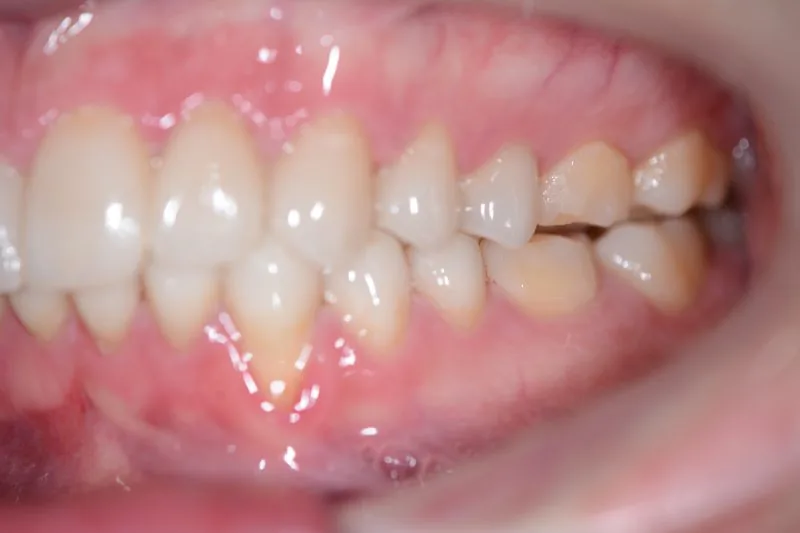
Lateral view showing bite opening before anterior veneer placement
A lateral view showing the corrected vertical dimension after bite opening — a prerequisite step before anterior veneers can be placed safely.

In cosmetic dentistry practice, evaluating the ‘envelope of function’ is a critical but often overlooked step before placing veneers. This clinical test maps the patient’s jaw movements—speaking, chewing, and parafunctional habits—revealing if the bite forces fall within a safe range that veneers can withstand. Studies show that more than 70% of cosmetic consultations skip this evaluation, leading to veneer fractures or debonding commonly within 3 to 5 years. Without this assessment, high-impact or lateral forces go uncorrected, causing premature veneer failure. For patients, this means that thorough bite analysis can prevent costly repairs and ensure long-term veneer durability.

Clinically reviewed by Brennan Bonati, DDS — Cosmetic & Restorative Dentistry

Many patients considering veneers have questions about bite correction before veneers, as well as the cost of veneers. The information below is clinically reviewed by Brennan Bonati, DDS, and reflects current best practices in cosmetic dentistry.
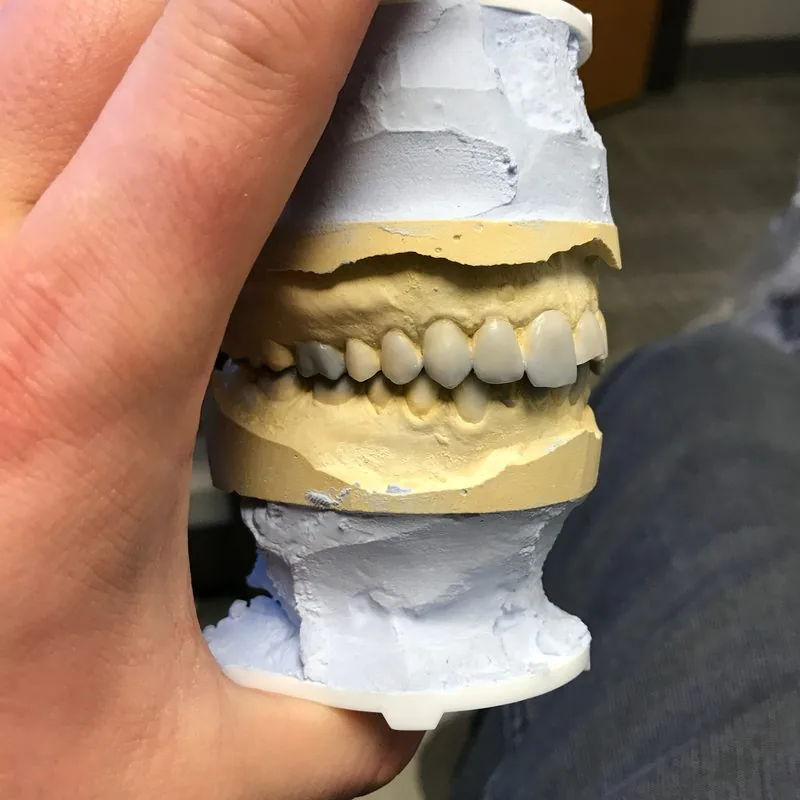
Diagnostic wax-up for full mouth porcelain veneer treatment planning
A diagnostic wax-up allows the dentist and patient to visualize the final result before any tooth preparation begins.
Real Patient Case
Collapsed BiteJaw PainFull Arch Restoration

Joanne — Collapsed Bite & Jaw Pain

Challenge: Decades of grinding had collapsed her bite, causing chronic jaw pain and severe tooth wear.

Treatment: 24 restorations including veneers, crowns, and implant crowns — bite rebuilt from the ground up.

Outcome: Zero jaw pain, full bite function restored, and a smile she describes as life-changing.

Read Joanne's Story → View Full Case Study

What You Should Know

Most patients's situation is unique. The guidance provided here is general in nature and should not replace a consultation with a qualified cosmetic dentist who can evaluate your specific case. Factors like your bite, the condition of your existing teeth, and your overall oral health all play a role in determining the best treatment approach, as seen in our before and after veneers examples.

Next Steps

If readiness to explore whether veneers near you are suitable is present, a free veneers cost estimator can provide a personalized cost range in under two minutes. Additionally, the provider directory can be browsed to find vetted cosmetic dentists in the area.

Important Limitations to Consider

Veneers are not a universal solution. They require sufficient enamel for bonding, a stable bite, and healthy gum tissue. Patients with active periodontal disease, severe bruxism, or significant misalignment may need to address those conditions first — or may be better served by orthodontics, crowns, or other restorations. The information on this page is educational and does not substitute for a clinical evaluation by a licensed dentist.

Clinical Perspective: What "Bite Correction First" Actually Means

When a clinician says a patient needs bite correction before veneers, the concern is typically one of two things: either the patient's bite would place excessive force on the veneers in a way that would cause premature fracture, or the patient's tooth positions are so far from ideal that the veneer preparations would require removing an inappropriate amount of tooth structure to achieve the desired result.

The diagnostic wax-up is the tool that reveals this. When a ceramist waxes up the ideal smile design on study models, it becomes immediately apparent whether the existing tooth positions allow for the design without over-reduction, or whether orthodontic movement is needed first. In cases where teeth are significantly rotated, tipped, or out of alignment, the wax-up will show that achieving the desired shape would require removing so much tooth structure that the remaining tooth would be compromised.

Not every patient with a less-than-ideal bite needs orthodontics first. Many bite discrepancies can be addressed through the veneer design itself — for example, by building up the vertical dimension through the restorations. The determination is case-specific and requires clinical examination, study models, and a diagnostic wax-up. Patients should be skeptical of any provider who recommends veneers without first evaluating the bite relationship.

Your Next Steps
1
See Worn Teeth Cases
Joanne and Brandon — bite correction cases
2
Joanne Full Case Study
The most detailed bite correction case
3
Full Mouth Cost
What bite correction cases cost
4
Get My Free Estimate
60-second personalized cost range

What Happens If You Skip Bite Correction?

Placing veneers on a misaligned bite is one of the most common causes of premature veneer failure. Without proper occlusal balance, certain teeth bear disproportionate force during chewing, clenching, or grinding. This creates stress points that can crack porcelain, break bonding cement, or cause the veneer to debond entirely. Addressing bite issues first creates the stable foundation that allows veneers to last their full 15–20 year lifespan.

Frequently Asked Questions

Not always. If your bite is healthy and the misalignment is purely cosmetic, veneers alone may be sufficient. However, if you have a functional bite issue (overbite, underbite, crossbite, or severe crowding), orthodontic treatment should come first to create a stable foundation. Your cosmetic dentist will assess this during your consultation.

Orthodontic treatment typically takes 6–18 months depending on severity. After braces or aligners are removed, most dentists recommend waiting 3–6 months for teeth to fully settle before placing veneers. While this adds time to your overall timeline, it significantly improves the longevity and predictability of your veneer results.

No. Veneers are a cosmetic solution that changes the appearance of teeth but cannot change their position or correct jaw alignment. Placing veneers on a misaligned bite puts them at risk of chipping, cracking, or debonding due to uneven forces. See our comparison of veneers vs. braces for more detail.

Next Steps
I’ve Done My Research — Now What?
Candidacy
Am I a Candidate for Veneers?
Find out if veneers are right for your situation.
$
Cost Estimator
What Would It Cost?
Get a personalized cost range in under 2 minutes — no commitment, no contact info required.
📚
Education Hub
Keep Learning
Explore types, procedures, results, and everything else about veneers.
📍
Find a Dentist
Schedule a Consult
Find a vetted cosmetic dentist near you and book a consultation.
Free Estimate