Permanent porcelain veneers and removable snap-on veneers (like Snap-On Smile) serve very different purposes. One is a permanent cosmetic restoration placed by a dentist. The other is a removable appliance — essentially a cosmetic cover you take in and out. This guide explains when each makes sense.
Veneers vs. Snap-On Veneers: The Comparison
| Factor | Porcelain Veneers | Snap-On Veneers |
|---|---|---|
| Type | Permanent dental restoration | Removable cosmetic appliance |
| Cost | $900 – $2,500 per tooth | $1,000 – $3,500 total (full arch) |
| Lifespan | 15 – 20+ years | 2 – 5 years (with careful use) |
| Appearance | Indistinguishable from natural teeth | Noticeable up close — bulkier, less natural |
| Function | Eat, drink, brush normally | Must remove for eating and cleaning |
| Tooth Prep | Minimal enamel removal | None — fully removable |
| Placed By | Licensed cosmetic dentist | Dentist-fitted or mail-order (varies) |
For a full cost breakdown including payment plans and financing, see the complete cost guide.
When Each Option Makes Sense
Snap-on veneers are not a substitute for dental treatment. Snap-on veneers are a temporary cosmetic solution — not a dental restoration. They do not fix underlying dental problems, cannot withstand normal eating forces, and must be removed for meals and cleaning. They are appropriate as a temporary cosmetic solution for special events, as a preview of what permanent veneers might look like, or for patients who cannot afford permanent treatment yet.
The clinical concern with long-term snap-on use is that the appliance traps bacteria against teeth, potentially accelerating decay if oral hygiene is not meticulous. Patients using snap-ons as a permanent solution rather than a temporary bridge to proper treatment may develop problems that make future veneer placement more complex. For a detailed look at snap-on options, see our snap-on veneers guide.
Real Patient Cases
See how real patients navigated this decision with their cosmetic dentist.
Andrea — Permanent Veneers vs. Temporary Solutions
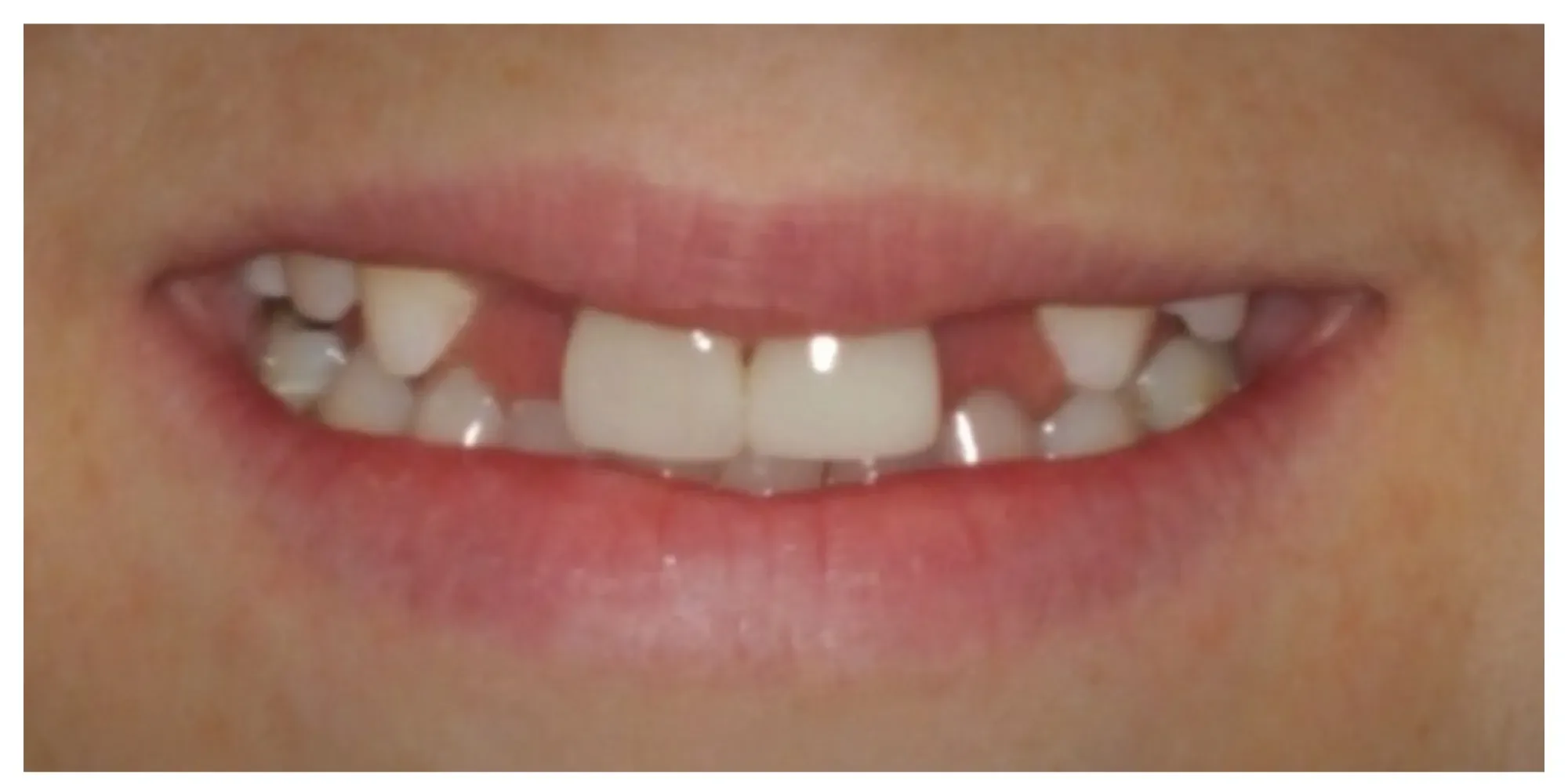 Before
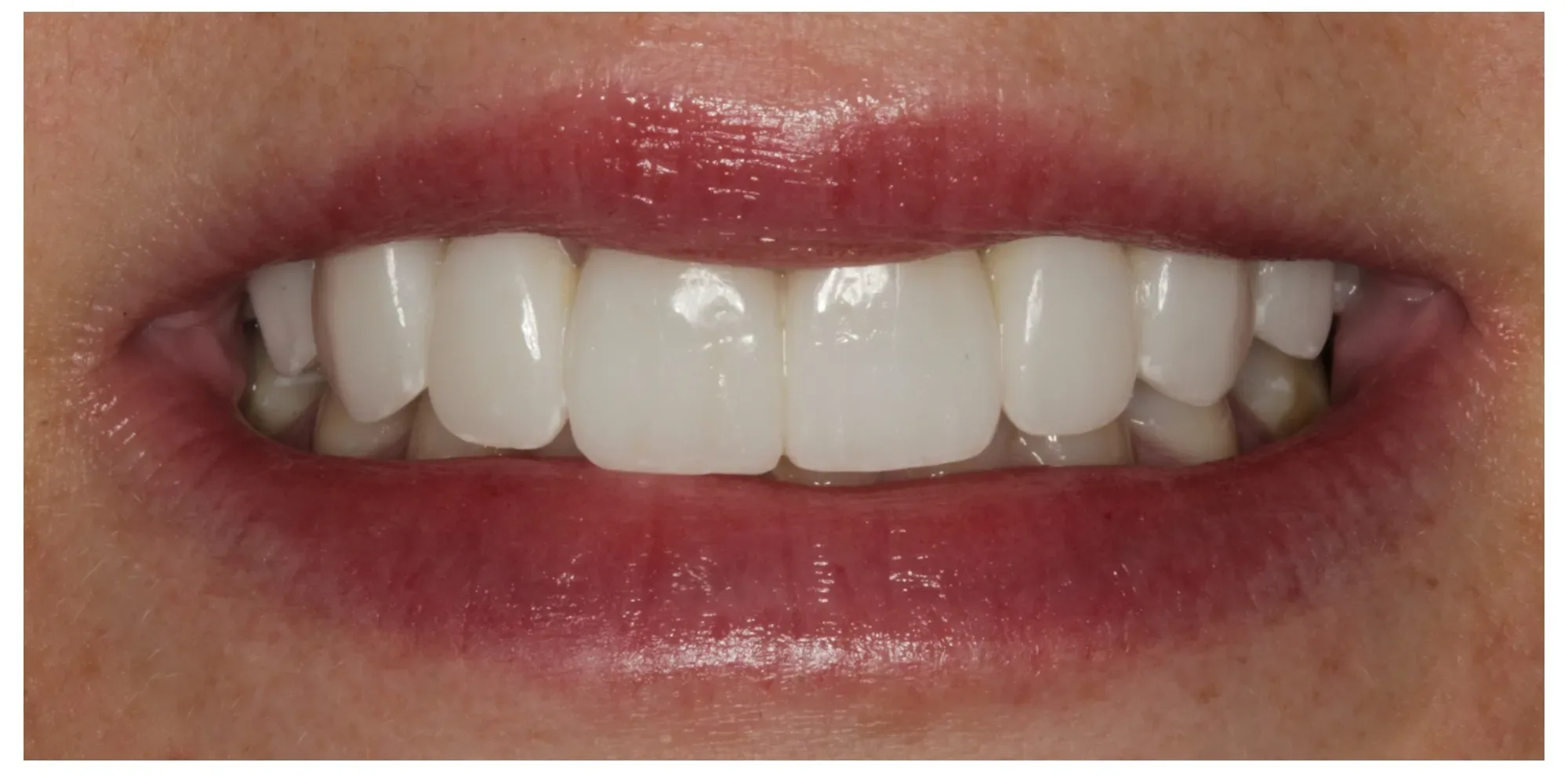 After
After
After years with temporary solutions, Andrea invested in permanent porcelain veneers for a lasting result.
View Andrea's full case →Lexi — Budget-Friendly Composite Alternative
 Before
 After
After
For budget-conscious patients, composite veneers offer a permanent alternative to snap-ons at a lower cost than porcelain.
View Lexi's full case →I Understand My Options — Now What?
You know the difference. Here’s how to take the next step.
Frequently Asked Questions
Most manufacturers recommend removing snap-on veneers before eating. The material is not designed to withstand chewing forces, and food particles can become trapped between the appliance and your teeth. This is one of the key practical differences from permanent veneers, which function exactly like natural teeth.
Snap-on veneers can be worth it as a temporary solution — for a wedding, job interview, or while saving for permanent treatment. They are not worth it as a long-term substitute for proper dental care. The cost ($1,000–$3,500) is significant for something that lasts only 2–5 years and cannot be worn while eating. For a cost comparison, see our cost guide.
Composite veneers are permanent, bonded directly to your teeth, and function normally for eating and drinking. They cost $300–$600 per tooth and last 5–7 years. Snap-on veneers are removable, cannot be worn while eating, and last 2–5 years. For patients on a budget wanting a permanent solution, composite veneers are generally the better investment.