Lumineers are a brand of ultra-thin veneer — not a different category of treatment. Both are porcelain shells bonded to the front of teeth. The key difference is thickness: traditional veneers require enamel removal, while Lumineers claim to need little or none. This guide explains the clinical trade-offs.
Veneers vs. Lumineers: The Comparison
| Factor | Traditional Porcelain Veneers | Lumineers |
|---|---|---|
| Thickness | 0.5–0.7mm | 0.2–0.3mm (ultra-thin) |
| Tooth Prep | Minimal enamel removal required | Minimal to no prep (in some cases) |
| Appearance | Highly natural — custom translucency and depth | Can appear bulky or opaque on some patients |
| Cost Per Tooth | $900 – $2,500 | $800 – $2,000 |
| Lifespan | 15 – 20+ years | 10 – 15 years (thinner = more fragile) |
| Reversibility | Irreversible — enamel removed | Potentially reversible (if no prep was done) |
| Best For | Most patients wanting optimal aesthetics | Patients with thin enamel or who want no-prep option |
For a full cost breakdown including payment plans and financing, see the complete cost guide.
When Each Option Makes Sense
No-prep doesn't always mean better. The appeal of Lumineers is the "no-prep" claim — no enamel removal means the procedure is theoretically reversible. In practice, however, placing a porcelain shell over existing tooth contours without any preparation often results in a bulky, opaque appearance. The teeth can look thicker than natural and lack the translucency that makes traditional veneers indistinguishable from real teeth.
Traditional veneers with minimal prep (0.3–0.5mm) allow the ceramist to build in natural depth, translucency, and characterization. The result is more lifelike. Lumineers are clinically appropriate for patients with naturally thin or worn enamel, small teeth that benefit from added bulk, or those who prioritize reversibility over optimal aesthetics. For a deeper look at no-prep options, see our no-prep veneers guide.
Real Patient Cases
See how real patients navigated this decision with their cosmetic dentist.
Hannah — Traditional Veneers for Natural-Looking Results
 Before
 After
After
Traditional prep veneers allowed for natural translucency and depth — the result is indistinguishable from natural teeth.
View Hannah's full case →Lexi — Minimal-Prep Composite as a Lumineer Alternative
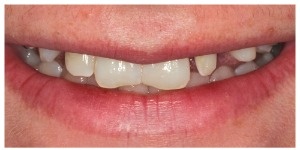 Before
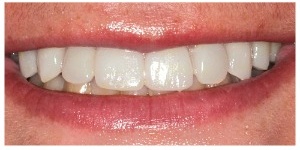 After
After
For patients wanting minimal prep, composite veneers offer a reversible alternative to Lumineers with easier maintenance.
View Lexi's full case →I Understand My Options — Now What?
You know the difference. Here’s how to take the next step.
Frequently Asked Questions
It depends on your goals. Lumineers are thinner and require less (or no) tooth preparation, which appeals to patients wanting reversibility. However, traditional veneers generally produce more natural-looking results because the preparation allows for proper depth and translucency. For most patients seeking optimal aesthetics, traditional porcelain veneers are the better choice.
They can — especially on patients with normally-sized teeth. Adding 0.2–0.3mm of porcelain on top of existing tooth structure without removing any enamel can create a slightly bulky or "chiclet" appearance. This is less of a concern for patients with naturally small or worn teeth, where the added thickness is actually beneficial.
Lumineers typically last 10–15 years, while traditional porcelain veneers last 15–20+ years. The thinner material is more susceptible to chipping and fracture over time. Both require proper oral hygiene and regular dental check-ups. See our guide on how long veneers last for detailed longevity data.