Veneers Pros and Cons
Understanding veneers pros and cons is an important part of your veneer research. This guide covers what you need to know, based on current clinical evidence and real patient outcomes. For a real-world example, explore Sarah's before and after results.
Brandon — The Honest Story
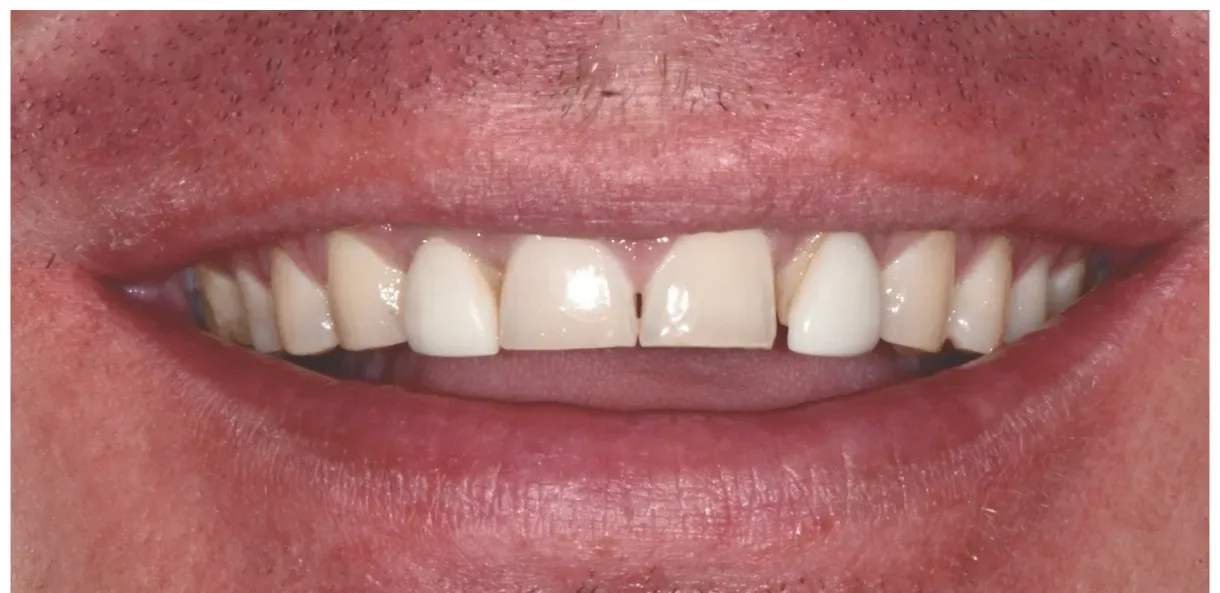 Before
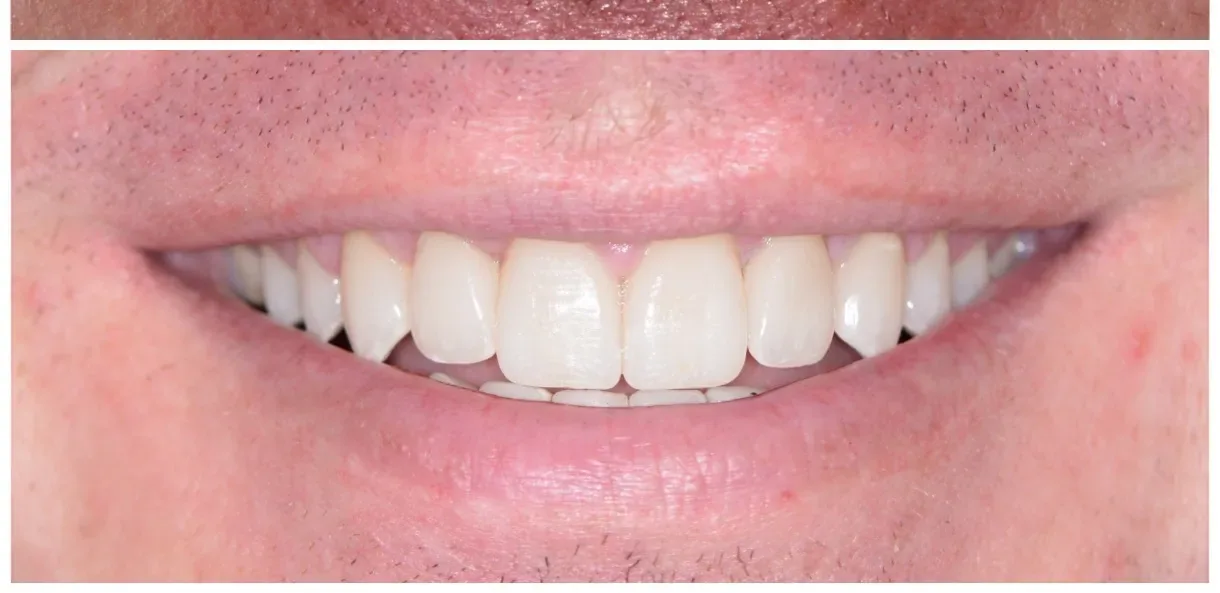 After
After
Brandon's case included a setback with bite records. We document it fully — the good and the difficult.
Read the full case →
Many patients considering veneers have questions about veneers pros and cons, as well as the cost of veneers. The information below is clinically reviewed by Brennan Bonati, DDS, and reflects current best practices in cosmetic dentistry.
What You Should Know
Most patients's situation is unique. The guidance provided here is general in nature and should not replace a consultation with a qualified cosmetic dentist who can evaluate your specific case. Factors like your bite, the condition of your existing teeth, and your overall oral health all play a role in determining the best treatment approach, as seen in our before and after veneers examples.
Next Steps
If readiness to explore whether veneers near you are suitable is present, a free veneers cost estimator can provide a personalized cost range in under two minutes. The provider directory can also be browsed to find vetted cosmetic dentists in the area.
Pros and Cons of Dental Veneers: A Clinical Perspective
Dental veneers have become a widely accepted solution for improving the aesthetics of the smile, addressing issues such as discoloration, minor misalignment, and tooth wear. While veneers offer significant cosmetic benefits, it is essential to understand both their advantages and limitations from a clinical standpoint. This overview is based on current evidence and real patient outcomes, with insights provided by Dr. Brennan Bonati, DDS, a practicing cosmetic dentist.
Advantages of Veneers
One of the primary benefits of dental veneers is their ability to deliver a dramatic improvement in the appearance of teeth in a relatively conservative manner. When performed by an experienced clinician, veneer placement typically involves minimal removal of tooth enamel, preserving the underlying tooth structure. This conservative approach helps maintain tooth vitality and function while enhancing aesthetics.
Veneers are particularly effective in masking intrinsic stains that do not respond well to traditional whitening methods. They can also correct minor misalignments and close small gaps between teeth, offering an alternative to orthodontic treatment in select cases. For patients with worn or damaged teeth, veneers often serve a dual purpose by not only improving appearance but also providing a protective layer that slows further deterioration.
Another advantage is the high success rate associated with veneers when the treatment is properly planned and executed. The use of high-quality dental laboratories ensures accurate shade matching and natural-looking results, contributing to patient satisfaction. Additionally, if temporaries are well-tolerated and successful during the trial phase, the likelihood of final restorations meeting expectations is significantly increased.
Limitations and Considerations
Despite their many benefits, veneers are not without limitations. One of the most important considerations is the irreversible nature of the procedure. Because tooth preparation involves the removal of enamel, the tooth will always require some form of restoration afterward. This means that once veneers are placed, the patient commits to maintaining and potentially replacing them over time.
Sensitivity following veneer placement is a potential risk, particularly if the preparation extends into the dentin layer beneath the enamel. While this occurrence is rare when performed by a skilled clinician, it remains a possibility and should be discussed during treatment planning. Patients may experience mild sensitivity that typically diminishes over time, but in some cases, it may persist and require management.
Occasional debonding or breakage of veneers can occur, although these events are generally infrequent. When debonding happens, veneers can often be rebonded without extensive additional treatment. Breakage, while less common, may necessitate replacement of the restoration. The choice of dental laboratory and the quality of materials used play a crucial role in minimizing these risks.
Patients with parafunctional habits such as bruxism (teeth grinding) face additional challenges. Night guard compliance is critical in these cases to protect veneers from excessive forces that could lead to premature failure. Without proper protection, veneers may be more susceptible to damage, which underscores the importance of comprehensive patient education and follow-up care.
Another consideration is the maintenance involved with veneers. While the need for occasional repair or replacement may be viewed as an inconvenience, it is generally outweighed by the cosmetic and functional benefits achieved. Regular dental visits and good oral hygiene practices remain essential to prolong the lifespan of veneers and overall oral health.
Clinical Decision-Making and Patient Selection
Most patients’s dental situation is unique, and the decision to proceed with veneers should be made after a thorough clinical evaluation. Factors such as occlusion (bite), existing tooth condition, and overall oral health influence the suitability of veneers as a treatment option. A qualified cosmetic dentist can assess these variables and recommend the most appropriate approach, which may include alternative or adjunctive treatments.
Pre-treatment planning often involves diagnostic wax-ups and trial temporaries to visualize the anticipated outcome and ensure patient satisfaction. This step is critical in identifying potential challenges and refining the treatment plan before final restorations are fabricated. When temporaries are successful, the prognosis for the final veneers is generally favorable.
It is also important to set realistic expectations regarding the longevity and maintenance of veneers. While they can last many years with proper care, veneers are not permanent and may require replacement or repair over time. Patients should be informed about these aspects during the consultation process to make an informed decision aligned with their goals and lifestyle.
Frequently Asked Questions
How long do dental veneers typically last?
With proper care and maintenance, dental veneers can last between 10 to 15 years or longer. Longevity depends on factors such as oral hygiene, bite forces, and habits like teeth grinding. Regular dental check-ups and wearing a night guard if recommended can help extend their lifespan.
Is the veneer placement procedure painful or uncomfortable?
Veneer placement usually involves minimal discomfort. Local anesthesia is typically used during tooth preparation to ensure patient comfort. Some sensitivity may occur after the procedure, especially if enamel removal is extensive, but this generally subsides within a few days to weeks.
Can veneers be removed if a change of mind occurs later?
Because veneers require the removal of enamel, the procedure is irreversible. Once the tooth is prepared, it will always need a restoration to protect the exposed surface. Therefore, veneers cannot be removed without replacement, making it important to carefully consider the decision beforehand.
Free Cost Estimator
See If the Benefits Outweigh the Cons for This Case
Answer a few quick questions and get a personalized cost range — no appointment required.
See If the Benefits Outweigh the Cons for My Case →