The two main veneer materials — porcelain and composite resin — produce very different results at very different price points. Neither is universally "better" — the right choice depends on your budget, timeline, and how long you want the result to last. This guide breaks down the clinical differences.
Porcelain vs. Composite Veneers: The Comparison
| Factor | Porcelain Veneers | Composite Veneers |
|---|---|---|
| Cost Per Tooth | $900 – $2,500 | $300 – $600 |
| Lifespan | 15 – 20+ years | 5 – 7 years |
| Stain Resistance | Excellent — resists coffee, wine, tea | Moderate — absorbs stains over time |
| Appearance | Highly natural — mimics enamel translucency | Good initially — color degrades with age |
| Tooth Prep | Minimal enamel removal (0.3–0.5mm) | None to minimal |
| Appointments | 2 visits over 2–3 weeks (lab-fabricated) | 1 visit (applied directly) |
| Repairability | Must be fully replaced if damaged | Can be patched and repaired chairside |
For a full cost breakdown including payment plans and financing, see the complete cost guide.
When Each Option Makes Sense
The right material depends on the clinical situation. Porcelain veneers outperform composite in longevity, stain resistance, and aesthetic depth. Studies following porcelain cases over 10–15 years report survival rates of 90–95%. Composite veneers show higher rates of color change, surface wear, and marginal degradation over the same period — typically requiring replacement within 5–7 years.
However, composite is the clinically appropriate choice in several situations: younger patients whose teeth are still developing, interim restorations while planning comprehensive treatment, patients wanting to trial a smile change before committing to irreversible preparation, and budget-conscious patients who prefer a permanent (if shorter-lived) solution over temporary alternatives like snap-on veneers.
Real Patient Cases
See how real patients navigated this decision with their cosmetic dentist.
Hannah — Porcelain Veneers for Long-Term Results
 Before
 After
After
10 E.max porcelain veneers — designed to last 15–20+ years with natural translucency and stain resistance.
View Hannah's full case →Lexi — Composite Veneers for Budget-Friendly Results
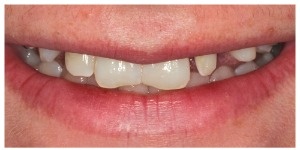 Before
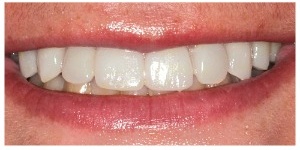 After
After
6 composite veneers for microdontia — a budget-friendly solution at a fraction of porcelain cost ($2,500–$5,000 total).
View Lexi's full case →I Understand My Options — Now What?
You know the difference. Here’s how to take the next step.
Frequently Asked Questions
For most patients seeking a long-term solution, yes. Porcelain veneers last 15–20+ years versus 5–7 for composite. Over a 20-year period, you would likely replace composite veneers 2–3 times, potentially costing more than a single set of porcelain. Porcelain also maintains its color and surface quality throughout its lifespan, while composite degrades. See our cost guide for detailed long-term value analysis.
Yes — this is a common and clinically sound approach. Composite veneers require minimal to no enamel removal, preserving your options for future porcelain placement. Many patients use composite as a trial or interim solution to test a cosmetic change before committing to porcelain. When ready, the composite is removed and replaced with porcelain veneers.
Porcelain produces more natural-looking results in most cases. The material has inherent translucency that mimics real enamel, and lab fabrication allows for layered characterization (subtle color variations, surface texture). Composite can look excellent initially but lacks the depth and translucency of porcelain, and its appearance degrades faster as the material absorbs stains and wears.