Veneers may help with
- Color that has not improved enough with whitening
- Small chips, worn edges, or uneven tooth shapes
- Teeth that appear small or out of proportion
- Minor cosmetic gaps when the bite and position are appropriate
Educational guide · Cases coming soon
Braces and aligners move teeth. Veneers may refine color, shape, chips, or proportion after alignment is stable—but they do not replace orthodontic treatment.
Current status
We do not yet have a published patient story for this category. While those cases are prepared, this page explains the decision clearly so you can understand when veneers may—or may not—make sense after orthodontic treatment.
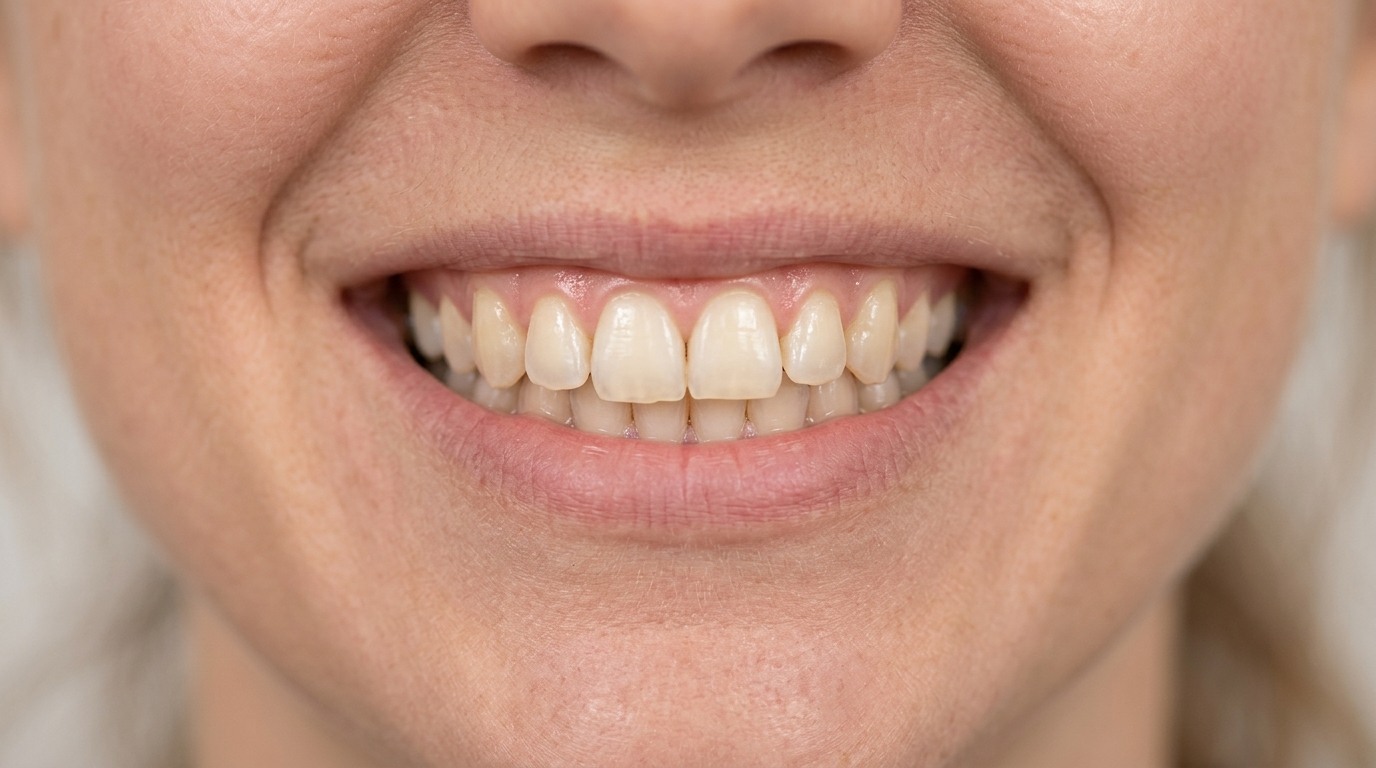
After braces, some people are satisfied with their alignment but still notice persistent discoloration, small chips, uneven edges, or teeth that look undersized. Veneers can cover the front surface of selected teeth, but the plan should start with healthy gums, adequate enamel, a stable bite, and stable tooth position.
The key distinction
Before deciding
Continue following your orthodontist's retainer instructions. If your retainer feels unusually tight, no longer fits, or your teeth appear to be shifting, contact the orthodontist rather than forcing it.
A dentist should check for cavities, gum disease, enamel limitations, grinding or clenching, and how the teeth meet before recommending cosmetic treatment.
Depending on the concern, whitening, bonding, careful contouring, retainer adjustment, or orthodontic refinement may preserve more natural tooth structure.
Veneer preparation may remove enamel and may be irreversible. Ask about sensitivity, chipping, repairs, replacement, and whether a new retainer would be needed.
Consultation checklist
No. Veneers cover the front surface of teeth; they do not move teeth. If tooth position or relapse is the concern, ask an orthodontist about the appropriate next step.
Follow your orthodontist's retainer instructions. Retainers help maintain tooth positions after treatment. Because veneers can change tooth shape, your dentist and orthodontist should coordinate whether a new retainer is needed.
No. Whitening, composite bonding, contouring, or no treatment may be reasonable depending on the cause and severity of the concern.
Often not. Veneer preparation may remove enamel, so many veneer treatments are irreversible. Even “no-prep” options are not suitable for everyone and may still require some enamel modification.
Do not force it. Contact your orthodontist to assess your teeth and the appliance before making a cosmetic treatment decision.
Research used for this guide
This placeholder was prepared from patient guidance reviewed through Perplexity research for VA-001:
Explore your next step
Use the educational guides before deciding whether veneers belong in your post-orthodontic plan.
Your next step
Compare likely costs, check candidacy, or find a reviewed cosmetic dentist near you.