Clinically Reviewed by Brennan Bonati, DDS

Veneers for Seniors

Age-specific considerations for older adults considering porcelain veneers.

Veneers for Seniors

Understanding veneers for seniors is an important part of your veneer research. This guide covers what you need to know, based on current clinical evidence and real patient outcomes. For a real-world example, explore Tricia's before and after results.
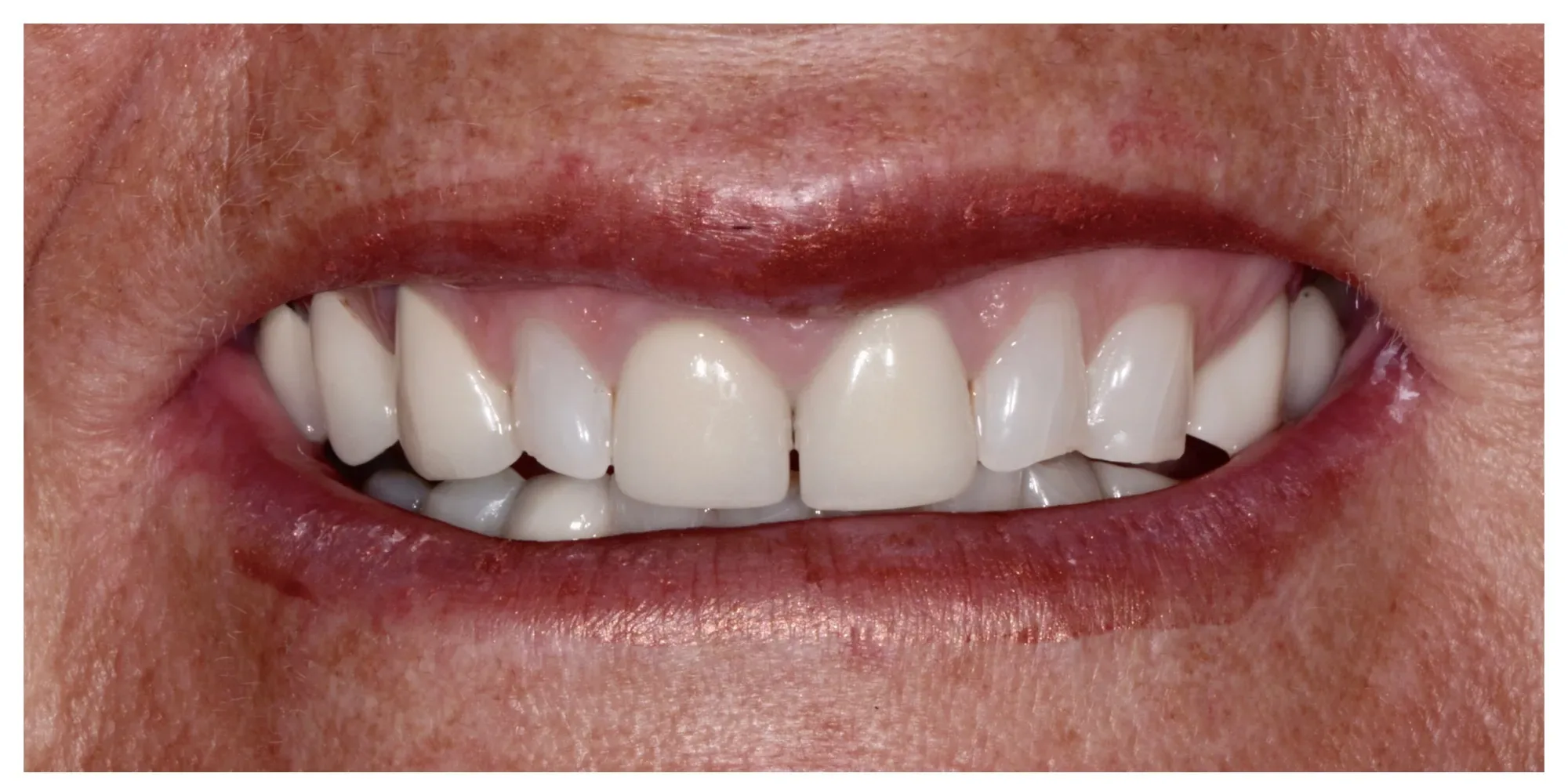
Severely worn and stained teeth before full-mouth veneer restoration
Before treatment: decades of wear, staining, and bite collapse had left these teeth looking aged and damaged.

Many patients considering veneers have questions about veneers for seniors, including the cost of veneers. The information below is clinically reviewed by Brennan Bonati, DDS, and reflects current best practices in cosmetic dentistry.
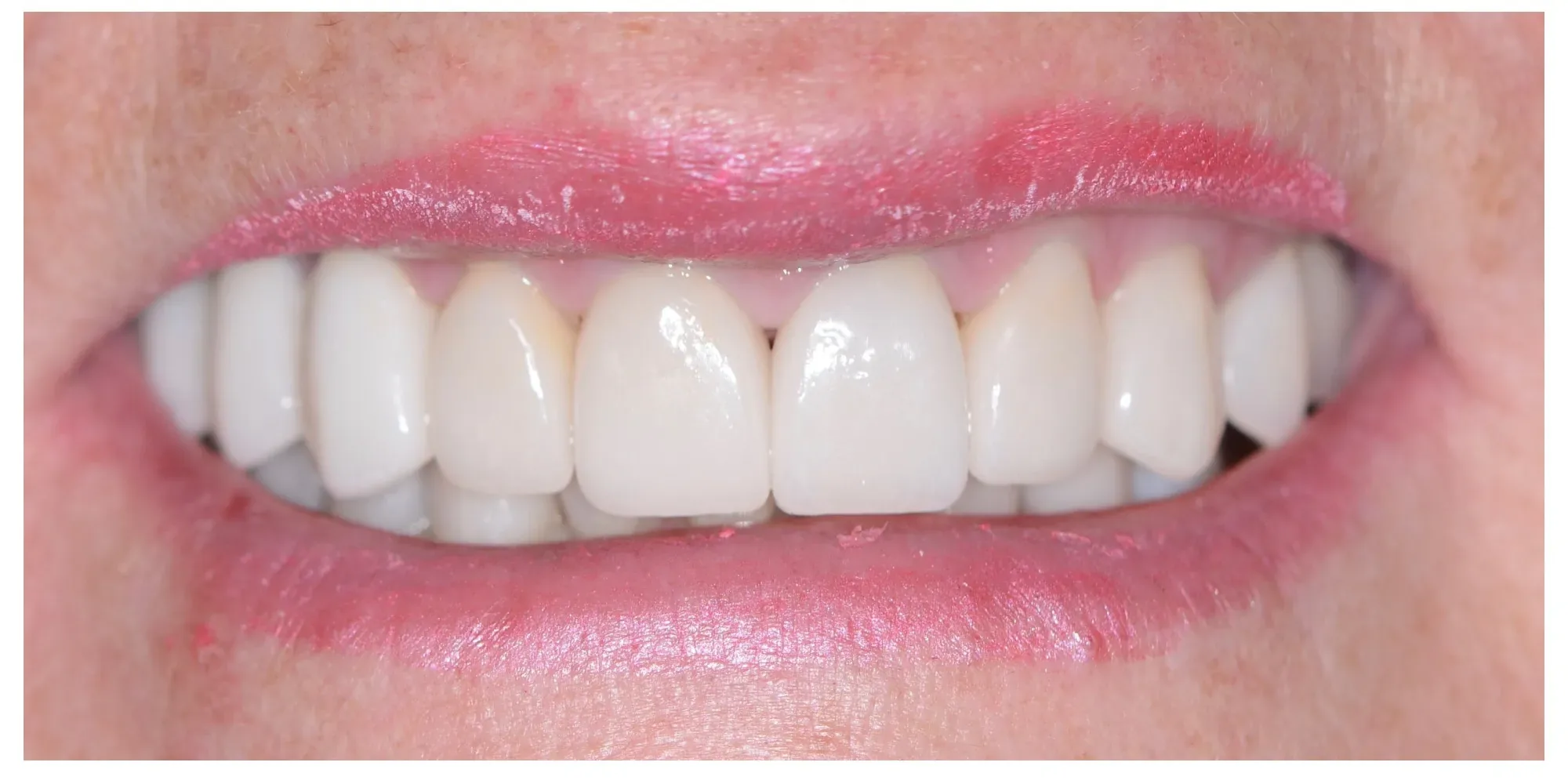
Natural, rejuvenated smile after full-mouth porcelain veneer restoration
After treatment: a full-mouth restoration with E.max porcelain veneers. The result is natural-looking and age-appropriate — not blindingly white or artificial.

What You Should Know

Most patients's situation is unique. The guidance provided here is general in nature and should not replace a consultation with a qualified cosmetic dentist who can evaluate your specific case, such as those offering veneers near you. Factors like your bite, the condition of your existing teeth, and your overall oral health all play a role in determining the best treatment approach.

Next Steps

If readiness to explore whether veneers are the right option is established, the free veneers cost estimator can provide a personalized cost range in under two minutes. The provider directory is also available to browse, offering access to vetted cosmetic dentists in the area and before and after veneers photos to view real results.

Important Limitations to Consider

Veneers are not a universal solution. They require sufficient enamel for bonding, a stable bite, and healthy gum tissue. Patients with active periodontal disease, severe bruxism, or significant misalignment may need to address those conditions first — or may be better served by orthodontics, crowns, or other restorations. The information on this page is educational and does not substitute for a clinical evaluation by a licensed dentist.

Clinical Perspective: Age-Specific Considerations for Veneer Candidates

Older patients considering veneers present a distinct set of clinical considerations that differ from younger patients. The most significant is gum recession. As gum tissue recedes with age, the margin between the veneer and the tooth root becomes exposed over time. This is not a reason to avoid veneers, but it does affect the treatment plan — the clinician must place veneer margins at a position that anticipates some degree of future recession, and must ensure the patient understands that maintenance will be ongoing.

Tooth wear is another common finding in older patients. Decades of use result in shorter, flatter incisal edges. Veneers can restore this lost length, but doing so requires opening the vertical dimension — the distance between the upper and lower jaws at rest. This is a more complex treatment than simple cosmetic veneers and requires careful planning, temporaries, and bite adjustment before final restorations are placed.

Older patients also frequently have existing restorations — crowns, bridges, fillings — that must be considered in the treatment plan. The goal is to achieve a cohesive result across the entire smile zone, which may require replacing some existing restorations to achieve color and shape consistency. A comprehensive examination and diagnostic wax-up are essential before committing to a treatment plan.

Special Considerations for Older Adults

Seniors often have unique dental considerations that affect veneer candidacy. Decades of wear may have shortened teeth significantly, requiring more extensive restoration. Medications can cause dry mouth, which affects bonding. Gum recession may expose root surfaces that need different treatment. Despite these factors, modern cosmetic dentistry has excellent solutions for each — the key is working with a dentist experienced in treating older adults who understands how to sequence treatment for the best long-term outcome.

Frequently Asked Questions

No — there is no upper age limit for veneers. The determining factors are oral health (healthy gums, adequate bone support, no active decay) rather than age. Many patients in their 60s, 70s, and even 80s successfully receive veneers. Your dentist will evaluate your specific oral health during a consultation.

For many seniors, absolutely. Veneers can restore confidence, improve function, and address decades of wear and staining in a single treatment. The key consideration is longevity expectations — porcelain veneers last 15–20+ years, making them a worthwhile investment even later in life. See our analysis of whether veneers are worth it.

Common issues that need attention first include gum disease (periodontal treatment), cavities (fillings or crowns), dry mouth management (medication side effect), and bite wear from decades of grinding. Addressing these creates a stable foundation for veneers. Your dentist will create a phased treatment plan that handles prerequisites before cosmetic work.

Next Steps
I’ve Done My Research — Now What?
📄
Free Download
The Veneer Candidacy Guide
A clinically reviewed checklist — what to ask, what to watch for, and how to prepare.
$
Cost Estimator
What Would It Cost?
Get a personalized cost range in under 2 minutes — no commitment, no contact info required.
📚
Education Hub
Keep Learning
Explore types, procedures, results, and everything else about veneers.
📍
Find a Dentist
Schedule a Consult
Find a vetted cosmetic dentist near you and book a consultation.
Free Estimate