
Veneers Gone Wrong: How to Avoid Common Mistakes
What causes veneers to fail, how to spot a low-quality provider, and what to do if your veneers need to be fixed.
What causes veneers to fail, how to spot a low-quality provider, and what to do if your veneers need to be fixed.
Veneers can transform smiles — but when done incorrectly, they can lead to pain, poor aesthetics, and expensive repairs. Understanding what goes wrong and why is the best way to protect yourself before making this significant investment.
Over-shaving natural enamel or poorly fitted veneers can cause long-term tooth sensitivity and gum irritation. This is irreversible — once enamel is removed, it cannot grow back. Always choose a dentist who practices conservative preparation techniques and uses digital scanning for precision fitting.
A "too white" or boxy look is a sign of low-quality cosmetic design. Veneers that look fake are almost always the result of a dentist who doesn't customize for the individual patient's facial proportions, skin tone, and natural tooth translucency. Natural-looking veneers should be slightly translucent at the edges and match the warmth of the patient's complexion.
Cheap composite or outsourced veneers can stain, chip, or crack within months of placement. The American Dental Association (ADA) recommends choosing certified porcelain or advanced composite materials from reputable dental labs. Always ask your dentist which lab fabricates their veneers and whether those labs are domestic.
Veneers must align properly with your bite to prevent cracking or uneven wear over time. Dentists using 3D imaging or digital bite analysis can adjust veneers for optimal comfort and durability. Skipping this step is one of the most common causes of premature veneer failure.
Cosmetic dentistry is both art and science. Any general dentist can legally offer veneers, but not all have the training or case volume to deliver consistently excellent results. Always verify your dentist's experience, training credentials, and real patient photo gallery before committing to treatment.
Even the best veneers require regular maintenance. Skipping professional cleanings, using abrasive toothpaste, or ignoring teeth grinding can lead to gum inflammation, edge staining, and premature failure. Proper aftercare is as important as choosing the right dentist.
In my experience, most "veneers gone wrong" cases come down to one of two things: the patient chose a provider based on price alone, or the dentist didn't take the time to properly evaluate bite alignment before placement. Both are entirely preventable.
Many patients report significant regret after rushing into cheap veneer deals, particularly from providers offering unusually low prices or dental tourism packages. A common pattern involves veneers that start chipping or cracking within 12–18 months due to improper bonding, thin material, or misaligned bite.
One patient shared that veneers done abroad started cracking within a year due to improper bonding and thin material. The cost to have them removed and replaced by a qualified U.S. cosmetic dentist exceeded the original price of doing them correctly the first time.
Dental tourism for veneers carries significant risks: no follow-up care if something goes wrong, materials that may not meet U.S. quality standards, and no legal recourse if results are unsatisfactory. Always research thoroughly before traveling abroad for cosmetic dental work.

If something feels off after your veneers are placed, don't wait — contact your dentist immediately. Early intervention is always easier than correction.
If you're unhappy with your current veneers, schedule a consultation with an experienced cosmetic dentist. Depending on the issue, they can often:
The cost to fix failed veneers varies widely depending on the extent of the damage. Minor repairs may cost $200–$500 per tooth; full replacement runs $900–$2,500 per tooth.
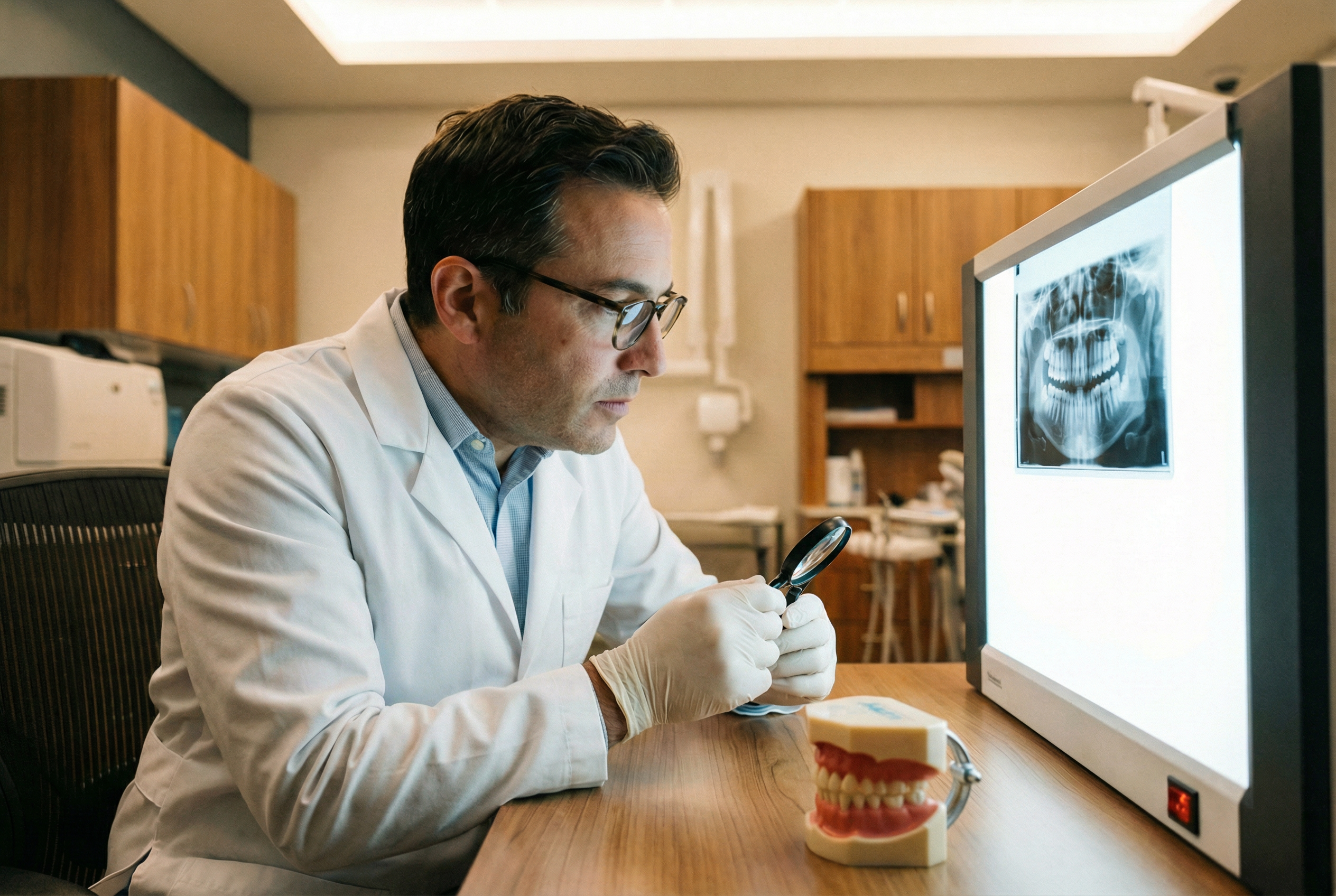
The best way to avoid complications is to work with a qualified cosmetic dentist who uses digital smile design and quality materials, takes the time to evaluate your bite and gum health before proceeding, and provides clear aftercare instructions.
Veneers done right should feel natural, look seamless, and last for 15–20 years. The difference between a great outcome and a failed one is almost always the quality of the provider — not the procedure itself.
Use our free cost estimator to get connected with a qualified specialist in the Denver and Lakewood area.
Get My Free Cost Estimate →