
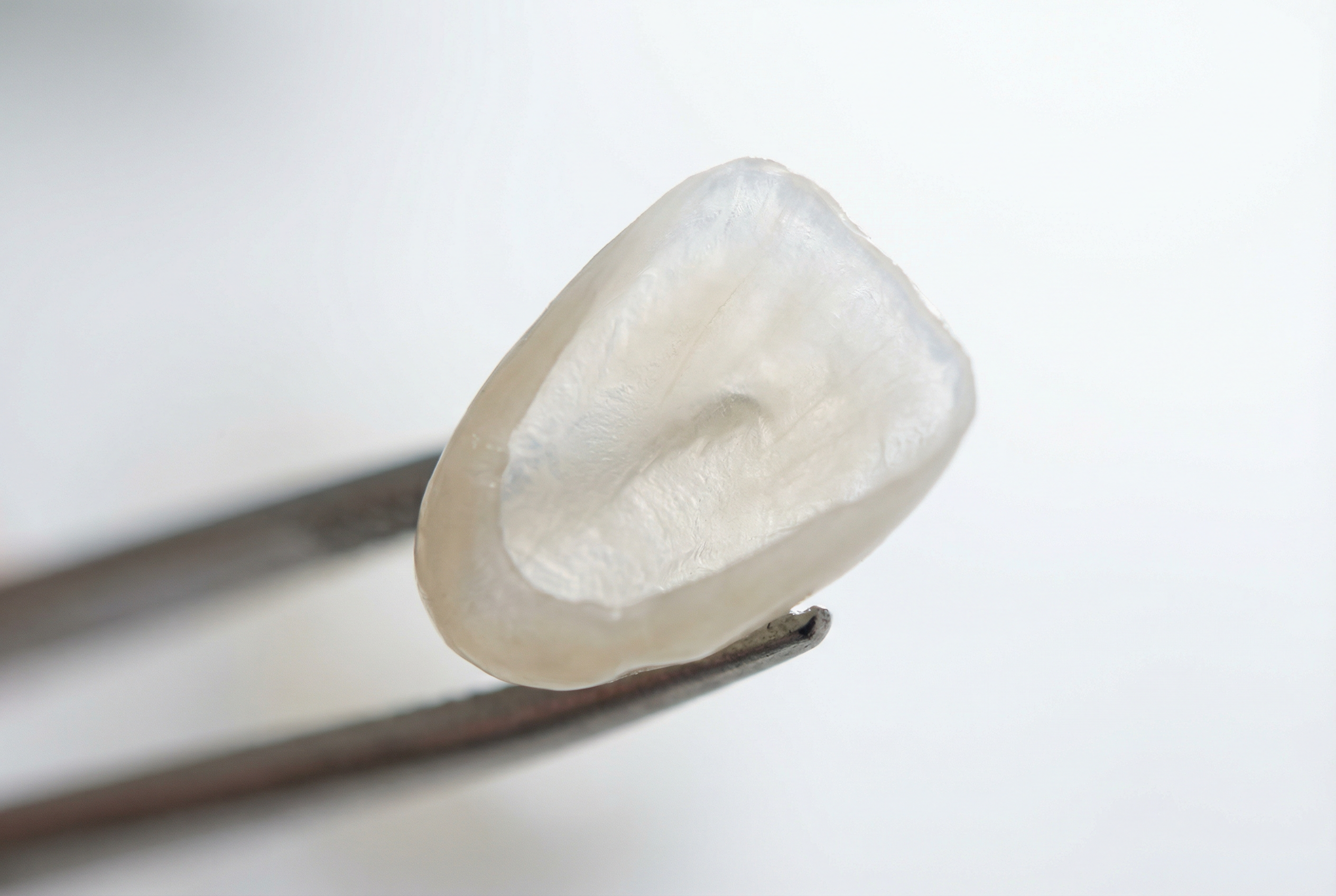
Porcelain veneers (left) are lab-fabricated ceramic shells. Composite veneers (right) are sculpted directly on the tooth in a single visit.
Quick Overview: Key Differences
The choice between porcelain and composite veneers is one of the most common questions patients ask during a cosmetic dentistry consultation. Both can dramatically improve the appearance of your smile — but they differ significantly in cost, durability, appearance, and the clinical process involved.
| Factor | Porcelain Veneers | Composite Veneers |
|---|---|---|
| Cost per tooth | $1,500 – $2,500 | $500 – $1,200 |
| Lifespan | 10 – 20+ years | 5 – 7 years |
| Appearance | Most natural, translucent | Good, but less translucent |
| Stain resistance | Excellent | Moderate — can stain over time |
| Appointments needed | 2 – 3 appointments | 1 appointment (often) |
| Reversibility | Irreversible (enamel removed) | Minimal to no enamel removal |
| Repairability | Difficult — full replacement | Easy to repair chairside |
| Best for | Permanent, high-quality result | Budget, testing, minor corrections |
Porcelain Veneers — Deep Dive
Porcelain veneers are thin ceramic shells — typically 0.5mm to 0.7mm thick — that are custom-fabricated in a dental laboratory and permanently bonded to the front surface of your teeth. They are considered the gold standard in cosmetic dentistry for good reason: no other restoration matches the natural translucency and light-reflecting properties of dental porcelain.
How the Porcelain Veneer Process Works
- Consultation and planning: Your dentist evaluates your teeth, discusses your goals, and takes photographs, X-rays, and impressions or digital scans.
- Tooth preparation: A thin layer of enamel (typically 0.3mm – 0.7mm) is removed from the front surface of each tooth to create space for the veneer. This step is irreversible.
- Temporaries: Temporary veneers are placed while your permanent veneers are fabricated in the lab, which typically takes 1–2 weeks.
- Bonding: The permanent porcelain veneers are tried in, adjusted for fit and color, and permanently bonded using a dental adhesive and curing light.
Modern "minimal prep" and "no-prep" porcelain veneers (such as Lumineers) require little to no enamel removal. However, these are thicker and may look bulkier on some patients. A skilled cosmetic dentist will advise whether no-prep veneers are appropriate for your specific tooth anatomy.
Pros of Porcelain Veneers
- Most natural-looking result — porcelain mimics the light transmission of natural enamel
- Highly stain resistant — porcelain does not absorb coffee, wine, or tobacco
- Long lifespan — with proper care, porcelain veneers last 10–20+ years
- Durable and strong once bonded to the tooth
- Custom-fabricated to precise color, shape, and size specifications
Cons of Porcelain Veneers
- Higher cost — typically $1,500–$2,500 per tooth
- Irreversible — enamel removal cannot be undone
- Requires 2–3 appointments over 2–4 weeks
- Cannot be repaired if chipped — must be replaced entirely
- Requires a temporary veneer period while the lab fabricates the permanent ones
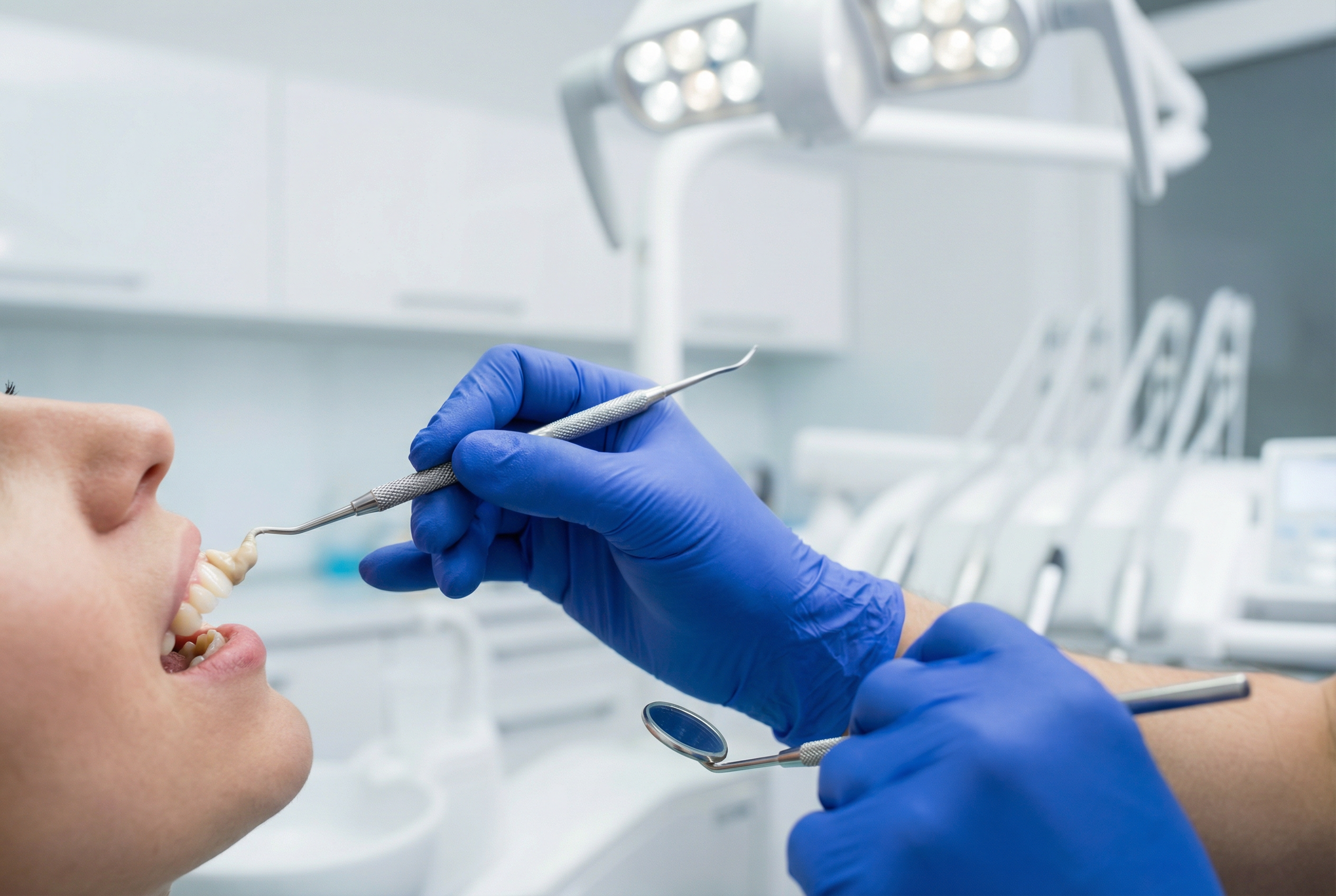
Composite veneers are applied and sculpted directly on the tooth chairside — no lab wait time required.
Composite Veneers — Deep Dive
Composite veneers are made from the same tooth-colored resin material used for dental fillings and bonding. Rather than being fabricated in a laboratory, composite veneers are applied directly to the tooth by the dentist in a single appointment — sculpted, shaped, and polished chairside. This makes them significantly faster and less expensive than porcelain.
How the Composite Veneer Process Works
- Consultation: Your dentist evaluates your teeth and discusses your goals. Little to no tooth preparation is typically required.
- Etching: The tooth surface is lightly etched with a mild acid to improve bonding.
- Application: The composite resin is applied in layers, shaped, and sculpted directly on the tooth.
- Curing and polishing: Each layer is hardened with a curing light, then the final surface is polished to a high shine.
The quality of composite veneers varies significantly based on the dentist's artistic skill. In the hands of an experienced cosmetic dentist, composite veneers can look remarkably natural. In less experienced hands, they can appear flat or opaque. Always ask to see before and after photos of composite work specifically.
Pros of Composite Veneers
- Lower cost — typically $500–$1,200 per tooth
- Completed in a single appointment in most cases
- Minimal to no enamel removal — more reversible
- Easy to repair chairside if chipped or damaged
- Good option for testing a new smile shape before committing to porcelain
Cons of Composite Veneers
- Shorter lifespan — typically 5–7 years before replacement is needed
- More susceptible to staining from coffee, wine, and tobacco
- Less translucent than porcelain — may look slightly more opaque
- Can chip or fracture more easily than porcelain
- Requires more frequent maintenance and polishing
Cost Comparison
Cost is often the deciding factor for patients choosing between porcelain and composite veneers. Here is a realistic breakdown of what you can expect to pay for a full smile transformation with each material.
| Treatment Scope | Porcelain Veneers | Composite Veneers |
|---|---|---|
| 1 tooth | $1,500 – $2,500 | $500 – $1,200 |
| 4 teeth (social 6 partial) | $6,000 – $10,000 | $2,000 – $4,800 |
| 6 teeth (social six) | $9,000 – $15,000 | $3,000 – $7,200 |
| 8 teeth (full smile) | $12,000 – $20,000 | $4,000 – $9,600 |
| 10-year total cost* | $12,000 – $20,000 | $8,000 – $19,200 |
*10-year total cost for composite assumes one full replacement at year 5–7. Porcelain assumes no replacement needed within 10 years with proper care.
Composite veneers are cheaper upfront, but because they typically need replacement every 5–7 years, the 10-year total cost can approach or exceed the cost of porcelain. For patients planning to keep their veneers long-term, porcelain often represents better value over time.
Durability & Longevity
Porcelain veneers, when properly placed and cared for, routinely last 15–20 years. Some patients have had the same porcelain veneers for 25+ years. The ceramic material is highly resistant to wear, staining, and fracture under normal biting forces.
Composite veneers typically last 5–7 years before they begin to show wear, staining, or chipping that warrants replacement. With meticulous oral hygiene and avoidance of staining foods and beverages, some patients extend composite veneer life to 8–10 years — but this is the exception rather than the rule.
Both types of veneers can be damaged by habits such as nail biting, chewing ice, grinding teeth (bruxism), or using teeth as tools. Patients who grind their teeth are typically advised to wear a nightguard to protect their veneers regardless of material.
Appearance & Aesthetics
For most patients, porcelain veneers produce a more natural-looking result. This is because dental porcelain has a translucency that closely mimics natural tooth enamel — light passes through the surface and reflects back in a way that looks lifelike rather than painted on.
High-quality composite resin has improved dramatically in recent years and can produce excellent aesthetic results, particularly for minor corrections. However, composite tends to look slightly more opaque and monochromatic compared to porcelain, especially under bright lighting or in photographs.
For patients whose primary goal is the most natural, undetectable result — particularly for a full smile makeover — porcelain remains the superior choice aesthetically. For minor corrections or patients who want a quick improvement, composite can deliver very satisfying results.
Which Is Right for You?
The right choice depends on your specific goals, budget, timeline, and dental anatomy. Here is a practical guide:
Choose Porcelain Veneers If:
- You want the most natural-looking, long-lasting result
- You are treating significant discoloration, including tetracycline staining or fluorosis
- You are doing a full smile makeover of 6–10 teeth
- You can invest in the higher upfront cost
- You want a result that will last 15–20 years without replacement
- Stain resistance is important to you (you drink coffee, wine, or tea regularly)
Choose Composite Veneers If:
- You are on a tighter budget and want to improve your smile now
- You want to "test drive" a new smile shape before committing to porcelain
- You need a quick result — single appointment, same day
- You are treating minor chips, small gaps, or slight discoloration
- You prefer a more reversible option with minimal tooth preparation
- You are young and may want to upgrade to porcelain later
The Dentist's Verdict
For patients who are serious about a long-term smile transformation and can budget for it, porcelain veneers are the superior choice in almost every clinical dimension — appearance, durability, stain resistance, and longevity. The higher upfront cost is offset by a lifespan that is two to three times longer than composite.
That said, composite veneers are an excellent option for the right patient — particularly those who want a quick, reversible improvement, are testing a new smile design, or are working within a tight budget. A skilled cosmetic dentist can produce beautiful results with composite resin.
The most important factor in either case is choosing a dentist with specific experience and training in cosmetic dentistry. The material matters, but the clinician's skill matters more.
Not Sure Which Is Right for You?
Get a free personalized estimate and recommendation based on your specific situation. Our tool takes 60 seconds and gives you a realistic cost range for both options.
Get My Free Estimate →